

Top healthy alternative to half and half in coffee: unsweetened oat milk or cashew cream.
You want creaminess, balance, and better health in your cup. I have tested dairy and dairy-free options behind a cafe bar and in my home kitchen.
Here, I explain each healthy alternative to half and half in coffee with care, proof, and real-world tips. You will learn what to choose, how to use it, and how to love your coffee even more.
What makes coffee creamy and how to replace it?
Half and half feels rich because fat, protein, and lactose blend with hot coffee. Fat adds body. Protein adds foam and stability. Lactose adds mild sweet notes.
A healthy swap should hit the same notes with less sugar or less saturated fat. It should also stay smooth in heat and not curdle. Keep this in mind as you pick a healthy alternative to half and half in coffee.
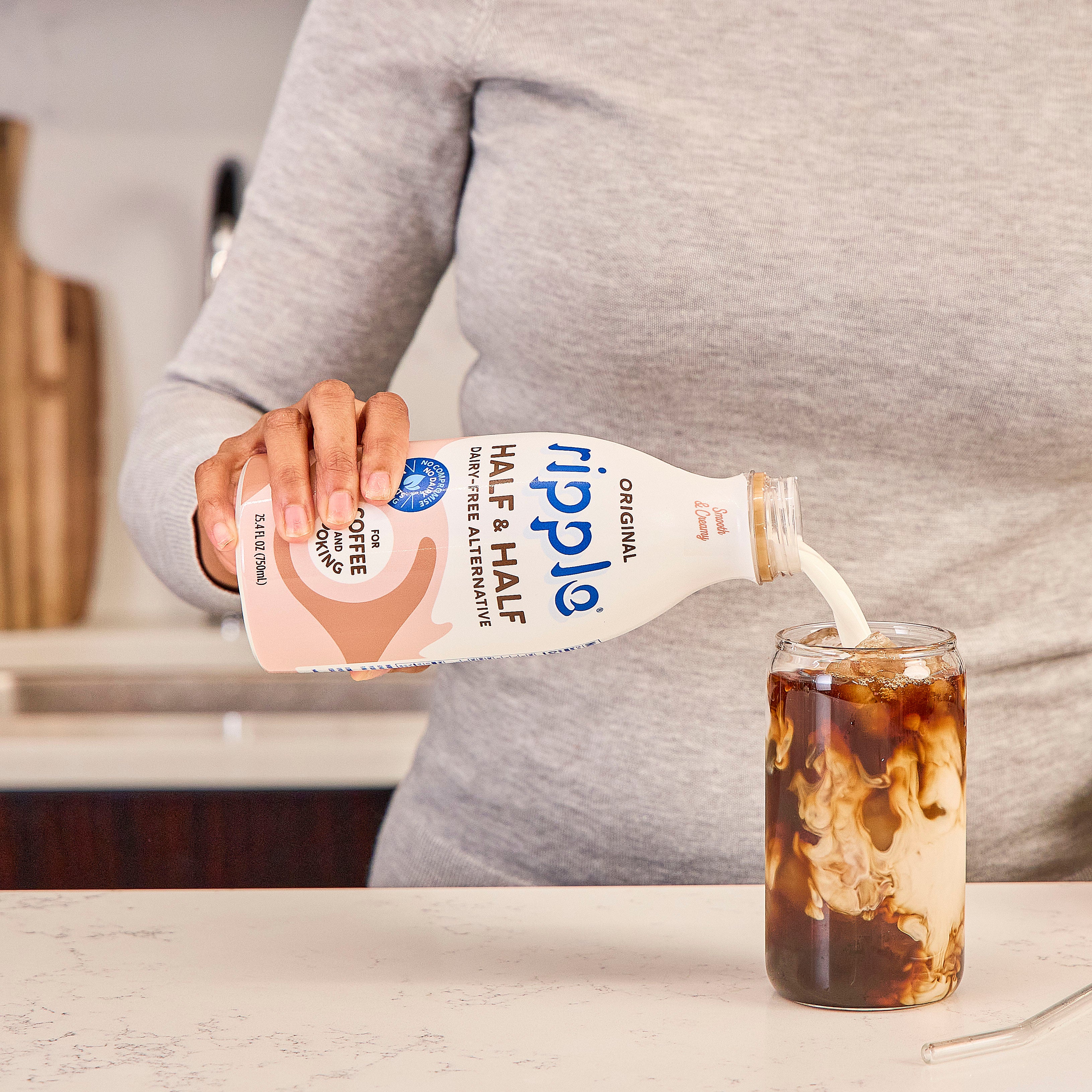
The best healthy alternatives and when to use them
Each option has a sweet spot. Match the choice to your goal and roast.
- Unsweetened oat milk. Great body from beta-glucans. It blends well and tastes neutral. A smart healthy alternative to half and half in coffee if you want cream without dairy.
- Barista-style soy milk. More protein helps foam and stay stable. Works well in light roasts. It is a strong healthy alternative to half and half in coffee for lattes and caps.
- Cashew cream (homemade). Soak cashews, then blend with water and a pinch of salt. It is smooth, mild, and rich with less sugar. A tasty healthy alternative to half and half in coffee for people who want real cream feel.
- Almond milk, unsweetened. Light and nutty. Use barista blends to avoid split in hot coffee. A simple healthy alternative to half and half in coffee for medium roasts.
- Coconut milk, light or diluted. Adds silk and a soft coconut note. Use small amounts. A cozy healthy alternative to half and half in coffee for dark roasts.
- Pea-protein creamers. Higher protein helps texture and foam. Low sugar and stable. A modern healthy alternative to half and half in coffee for protein needs.
- Skim milk plus a splash of microfoam. Low fat but creamy if steamed well. Mild and clean. A dairy healthy alternative to half and half in coffee when you are cutting fat.
- Greek yogurt drink (thinned). Two spoonfuls whisked with warm coffee can work in a pinch. Adds tang and protein. A quirky healthy alternative to half and half in coffee for cold brew.
In my tests, oat milk wins for daily use. Cashew cream wins for guests and slow weekends. Pea-protein blends work best if you lift or track protein.

Taste and texture: match the brew
Coffee origin and roast shape your choice. Pair them with care.
- Light roast, floral notes. Use soy or oat. They are neutral and steady.
- Medium roast, nutty notes. Use almond or cashew. Nuts echo nuts.
- Dark roast, cocoa notes. Use coconut or pea-protein blends. They hold up to bold brew.
- Cold brew. Use oat, cashew, or a thin Greek yogurt mix. They add silk without heat issues.
This approach helps you land the right healthy alternative to half and half in coffee for each cup.

How to switch without losing flavor?
Change in small steps. Let your palate adjust.
- Start with a 50:50 mix of half and half and your chosen swap.
- After two days, move to 25:75. Then go full swap on day five.
- Warm plant milks slightly before adding to hot coffee. This cuts split.
- Add a pinch of salt to mute any bitter edge.
- If you miss sweetness, use a half teaspoon of maple or date syrup.
This simple plan makes any healthy alternative to half and half in coffee feel natural fast.
:max_bytes(150000):strip_icc()/what-is-half-and-half-b0d87221b44540fabd7b017b49721bc3.jpg)
Quick nutrition snapshots
Numbers vary by brand. These are ballpark per tablespoon.
- Half and half. About 20 calories. Around 1.0–1.5 g saturated fat. About 0.5 g sugar.
- Unsweetened oat milk. About 5–10 calories. Trace fat. About 0–0.5 g sugar.
- Barista soy milk. About 6–10 calories. 0–0.3 g saturated fat. 0–0.5 g sugar. More protein.
- Homemade cashew cream (1:3 nuts to water). About 15–20 calories. Mostly unsaturated fat. Almost no sugar.
- Almond milk, unsweetened. About 3–5 calories. Very low fat and sugar.
- Light coconut milk (diluted). About 10–15 calories. Some saturated fat. No sugar.
I cross-checked with standard nutrient databases and labels. Use your carton’s panel for exact values.
Special diets and health goals
Pick the option that fits your plan. Keep it simple.
- Vegan. Oat, almond, soy, cashew, or pea-protein creamers work well.
- Keto or very low carb. Use unsweetened coconut milk or a blend with MCT, in small amounts. Watch total fat.
- Low-FODMAP. Use almond or lactose-free dairy. Check oat and cashew tolerance by phase.
- Heart health. Favor soy, oat, or almond. They are low in saturated fat. Beta-glucans in oats may help LDL.
- High protein. Choose soy or pea-protein creamers. They support foam and texture.
With these filters, you can pick a healthy alternative to half and half in coffee that fits your body and goals.
DIY healthy creamers that taste rich
These are easy, cheap, and fresh. I use them at home.
- Silk cashew cream
- Soak 1 cup cashews in hot water for 30 minutes.
- Drain. Blend with 2–2.5 cups fresh water, a pinch of salt, and 1 teaspoon vanilla.
- For thicker cream, use less water. Strain if you want ultra smooth.
- Oat barista base
- Blend 1 cup ice-cold water, 1/3 cup rolled oats, 1 teaspoon neutral oil, a pinch of salt.
- Strain through a fine mesh. Warm gently before use to avoid split.
- Soy-protein boost
- Whisk 1 tablespoon unflavored soy isolate into 1 cup unsweetened soy milk.
- Froth. This adds foam and body with little sugar.
Each one is a budget-friendly healthy alternative to half and half in coffee with clean, short ingredients.
Barista tips and common fixes
You can prevent most issues with a few moves.
- Avoid curdle. Add the creamer to the cup first. Pour coffee over it. Or heat the creamer to lukewarm.
- Lower acidity. Brew a bit coarser. Choose a medium roast. Acid plus heat can split plant milks.
- Froth right. Use 130–150°F for soy and oat. Too hot kills foam and taste.
- Sweetness balance. If the swap tastes flat, add a tiny pinch of salt. It rounds the cup.
These steps make any healthy alternative to half and half in coffee more stable and smooth.
Cost and sustainability
Price and planet matter too.
- Oat milk often costs less per creamy ounce than nut milks.
- Almond milk has higher water needs at the farm level. Oat uses fewer resources.
- Homemade cashew cream saves money and cuts packaging waste.
- Buy shelf-stable cartons on sale. Chill after opening. Use within 7–10 days.
A mindful buy can be a healthy alternative to half and half in coffee and a small win for the earth.
Storage and safety
Keep it fresh and safe.
- Store plant milks cold after opening. Seal tight. Shake before use.
- Use clean spoons. Avoid cross-contact if you track allergens.
- Most open cartons last 7–10 days. Homemade creamers last 3–5 days.
- If it smells sour or looks split when cold, discard it.
Smart storage protects taste and your health while you enjoy a healthy alternative to half and half in coffee.
Frequently Asked Questions
What is the healthiest dairy-free option for creaminess?
Unsweetened oat milk is a top pick for body and mild taste. Barista soy milk is also strong due to higher protein.
Will plant milks curdle in hot coffee?
They can if the coffee is very acidic or very hot. Warm the milk a bit and pour coffee over it to reduce split.
Which option has the most protein?
Barista soy milk and pea-protein creamers lead on protein. They also help with foam and mouthfeel.
Can I froth these alternatives for lattes?
Yes. Oat, soy, and pea-protein creamers froth best. Keep temperatures between 130–150°F for stable microfoam.
What if I want to cut calories the most?
Unsweetened almond milk has very few calories per splash. Use more for body or pair with a stronger brew.
Is coconut milk a good choice for cholesterol concerns?
Light coconut milk has saturated fat but no cholesterol. Use small amounts and balance with your daily targets.
Are homemade creamers safe?
Yes, if kept cold and used within 3–5 days. Sterilize jars, and label the date you made them.
Conclusion
You can keep the creamy joy and still meet your goals. Choose the healthy alternative to half and half in coffee that fits your taste, brew style, and diet. Start small, warm your milk, and fine-tune the dose until the cup feels right.
Try one swap this week, note how it tastes, and keep what works. Want more guides like this? Subscribe, share your favorite combo in the comments, or ask for a custom plan.