

Infused water, herbal tea, sparkling water, coconut water, and light broths hydrate well.
If plain water feels boring, you still have smart choices. In this guide, I break down healthy alternatives to water with clear tips, real tests, and simple recipes. You will learn what to drink, when to choose it, and how to avoid sugar traps.
I have tested these options for years while working with readers and diet pros. Let’s make healthy alternatives to water easy, safe, and enjoyable for daily life.
What counts as healthy alternatives to water?
Healthy alternatives to water are drinks that hydrate without too much sugar, sodium, or additives. They support energy, mood, and digestion. They fit daily use and a wide range of needs.
To qualify, a drink should be simple, low in calories, and gentle on the gut. It may add light electrolytes or plant compounds that help health. Healthy alternatives to water keep you hydrated while adding taste you enjoy.
When I vet options, I look for clear labels, few ingredients, and no heavy sweeteners. I also check how people feel after a week of use. Taste matters, but so do steady energy and comfort.
:max_bytes(150000):strip_icc()/soda-alt-72a82ad32ad54337bb68911c0dff00bd.jpg)
Hydration basics you should know
Your body needs water to move blood, digest food, and cool your skin. Even mild fluid loss can affect focus, mood, and exercise. Research links a 1 to 2 percent loss in body water with dips in alertness.
Electrolytes matter too. Sodium, potassium, and magnesium help you absorb fluid and keep nerves steady. Healthy alternatives to water often add a light mix of these minerals.
An easy check is urine color. Pale straw is a good sign. Dark yellow may mean you need more fluids. Sip across the day, not all at once.

The best healthy alternatives to water: top picks
Infused water
This is still water with slices of fruit, herbs, or veggies. It adds taste with almost no sugar. Citrus, cucumber, mint, and berries work very well.
Benefits:
- Very low in calories
- Easy to prep in batches
- Family friendly
Use it when you want flavor without sweeteners. Refresh the slices every 24 hours for best taste.
Herbal tea
Herbal tea can be warm or iced. Peppermint, ginger, chamomile, and rooibos are popular. It is naturally free of caffeine and sugar.
Benefits:
- Gentle on the gut
- Can help you relax
- Many flavors
Use it in the evening or when you want a soothing sip. Brew strong, then dilute with cold water for iced tea.
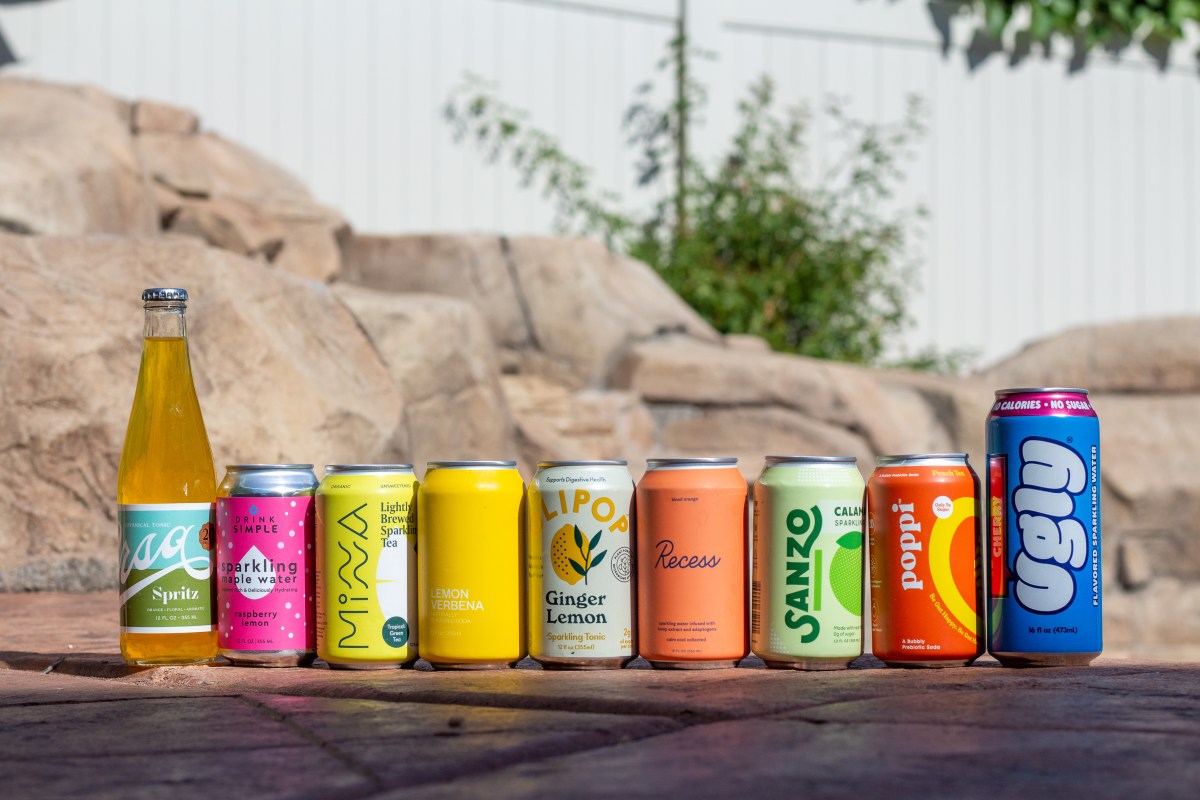
Sparkling water
Sparkling water hydrates like still water. The bubbles add bite, which can replace soda. Choose plain or unsweetened flavors.
Benefits:
- Zero sugar
- Crisp taste
- Helps some people feel fuller
If you have reflux, small sips may be better. Carbonation can bloat some people.
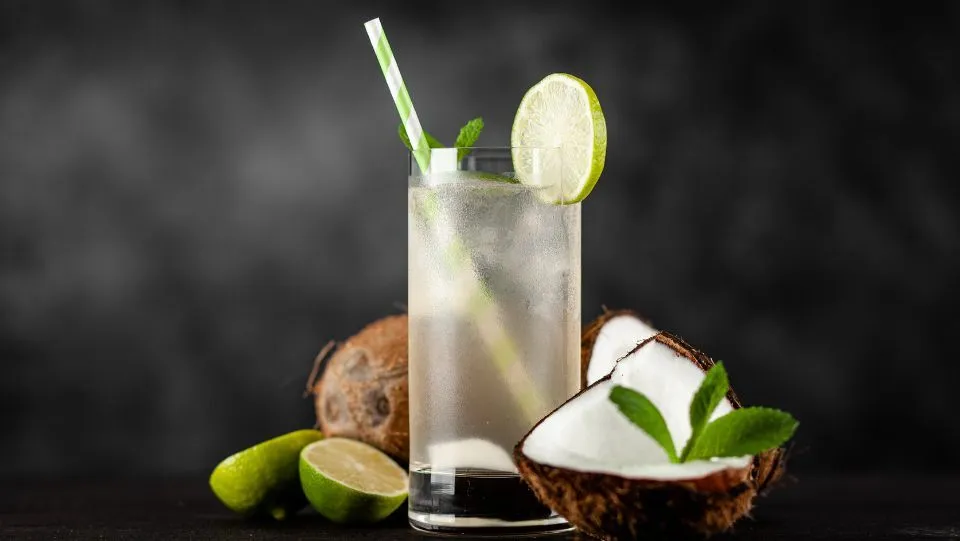
Coconut water
Coconut water has natural potassium and a bit of sodium. It is great after light sweat. Choose brands with no added sugar.
Benefits:
- Good for mild rehydration
- Natural electrolytes
- Light, sweet taste
Mind the calories. A standard bottle can add up if you drink many in a day.
Milk
Low-fat milk can rehydrate well after workouts. It has carbs, protein, and sodium. Research shows milk can support fluid balance after hard exercise.
Benefits:
- Good recovery profile
- Protein supports muscle repair
- Affordable
If you are lactose sensitive, try lactose-free milk. Some plant milks are fine, but many lack protein and sodium, so check labels.
Vegetable or light bone broth
Warm broth adds sodium, which helps hold water. It can be calming on cold days. Pick low-fat, low-additive options.
Benefits:
- Supports hydration in cold weather
- Gentle during illness
- Can replace salty snacks
Mind sodium if you have high blood pressure. You can dilute broth by half to cut salt.
Diluted 100% fruit juice
Mix one part juice with three parts water. This keeps taste while cutting sugar. Orange, apple, and tart cherry work well.
Benefits:
- Adds vitamins and polyphenols
- Easy to make
- Good for post-workout carbs
Keep portions small to avoid a sugar spike. Use 4 ounces of juice per 16-ounce drink.
Light electrolyte water
Electrolyte waters add small amounts of sodium and potassium. They help during heat, travel, or longer workouts. Choose versions with no added sugar or with very low sugar.
Benefits:
- Supports fluid absorption
- Helps prevent cramps for some people
- Travel-friendly
If you are on a low-sodium plan, ask your clinician first. Not everyone needs added electrolytes daily.
Coffee and true tea (black, green, oolong)
Plain coffee and tea are net hydrating for most people. Caffeine has a mild diuretic effect, but you still gain fluid. Keep sugar and cream light.
Benefits:
- Boosts alertness
- Rich in antioxidants
- Many brewing styles
Limit to moderate intake if you feel jitters or have sleep issues. Avoid sweetened drinks from cafes.
Healthy alternatives to water shine when they match your taste and needs. Try two or three, then rotate to avoid flavor fatigue. Over time, you may even crave these more than soda.
How to pick the right drink for your goal?
Match the drink to your day. Healthy alternatives to water work best when they fit the moment.
- Everyday sipping: Infused water, sparkling water, herbal tea.
- After light workouts: Coconut water, diluted juice, milk for recovery.
- Heavy sweat or heat: Light electrolyte water or diluted sports drinks.
- Sensitive stomach: Ginger tea, chamomile tea, diluted broth.
- Weight loss support: Sparkling water or iced herbal tea before meals.
- Intermittent fasting: Plain water, black coffee, unsweetened tea, plain sparkling water.
- Low-sodium diet: Infused water, herbal tea, diluted juice; check labels to keep sodium low.
Healthy alternatives to water should feel easy, not forced. Use taste, timing, and your body’s signals to guide the choice.

Sugar, sodium, and additive watchouts
Sugar adds up fast. A 12-ounce sweet drink can hide 30 grams of sugar. For daily health, keep added sugar low. Dilute juice and skip syrups.
Watch sodium in broths and some electrolyte drinks. Many people do not need extra salt day to day. Read the panel and aim for a balance that fits your health plan.
Check for colors, preservatives, and high-intensity sweeteners if you are sensitive. Some people get headaches or stomach upset. Healthy alternatives to water should leave you feeling good, not wired or bloated.
Simple DIY recipes and swaps
Try these fast ideas. They are budget friendly and quick to prep.
- Citrus mint water: 4 cups water, 3 lemon slices, 3 orange slices, 6 mint leaves. Chill 2 hours.
- Cucumber lime cooler: 4 cups water, 6 cucumber rounds, 2 lime wheels. Add ice.
- Ginger peach iced tea: Brew 2 ginger tea bags in 2 cups hot water. Add 1 cup cold water and 1 cup crushed peaches. Strain if you like.
- Tart cherry recovery: 4 ounces 100% tart cherry juice. Add 12 ounces cold water and a pinch of sea salt.
- Golden broth mug: 1 cup low-sodium chicken or veggie broth. Add a pinch of turmeric and black pepper.
- Sparkling citrus spritz: 1 cup plain sparkling water. Add 2 tablespoons fresh grapefruit juice and a rosemary sprig.
- Light electrolyte mix: 2 cups water, a tiny pinch of salt, a squeeze of lemon, and a splash of 100% orange juice.
- Cocoa milk cool-down: 1 cup low-fat milk. Whisk in 1 teaspoon unsweetened cocoa and a drop of vanilla.
These swaps keep flavor high and sugar low. They turn healthy alternatives to water into a habit you enjoy.

Habits that make hydration easy
Small steps beat big plans. Set cues you can follow every day.
- Front-load your morning: Drink a cup on waking. Add a pinch of lemon or mint.
- Pair with routines: Sip during emails, calls, or study blocks.
- Rotate flavors: Change the fruit or tea daily to keep your palate fresh.
- Use temperature: Warm drinks calm. Cold drinks refresh. Match mood and weather.
- Carry two bottles: One with plain water, one with a flavored option.
- Track lightly: Note urine color and energy, not just ounces.
When healthy alternatives to water are simple and near you, you will drink more without effort.
Personal lessons: what worked with clients
In my work with readers and diet pros, simple wins last. Most people drink more when the bottle looks inviting and the taste is bright. Infused water and iced herbal tea helped many replace soda in two weeks.
The biggest mistake is chasing fancy drinks with lots of claims. Many have hidden sugar or too much caffeine. Healthy alternatives to water should be clear, light, and easy to repeat.
One client had cramps after long runs. A small sodium bump and diluted juice solved it. Another had reflux from sparkling water. We switched to room-temperature ginger tea, and the bloating eased.
Stay curious. Test one change each week. Healthy alternatives to water can fit any life when you adjust with care.
Frequently Asked Questions of healthy alternatives to water
Are healthy alternatives to water as hydrating as water?
Many are just as hydrating, like herbal tea and sparkling water. Drinks with light electrolytes can help during heat or longer workouts.
Is coffee a healthy alternative to water?
Plain coffee can count toward daily fluids. Keep it moderate and avoid heavy sugar and cream.
Does coconut water hydrate better than water?
Coconut water helps replace potassium and some sodium. It can be useful after light sweat, but watch the calories.
Are flavored waters with sweeteners okay?
They can help some people drink more. If you notice headaches or cravings, switch to infused water or unsweetened tea.
Can kids use healthy alternatives to water?
Yes, if sugar and caffeine are low. Infused water, diluted juice, and herbal tea are simple, kid-friendly picks.
Do I need electrolyte drinks every day?
Most people do not, unless sweating a lot or in hot weather. Use them as needed, and choose low-sugar versions.
What if I do not like the taste of water?
Start with infused water and iced herbal tea. Rotate flavors until you find two or three you enjoy.
Conclusion
You have many healthy alternatives to water that are safe, simple, and tasty. Match the drink to your day, keep sugar low, and rotate flavors to stay engaged. Small shifts, like infused water at lunch or herbal tea at night, can transform your routine.
Pick one idea today and set it up for tomorrow morning. Your body will feel the lift. If this guide helped, share it, subscribe for more practical wellness tips, or leave a comment with your favorite recipe.