

Best swaps: seed crackers, veggie chips, seaweed sheets, apple slices, cucumber rounds.
If you want a healthy alternative to crackers that still gives crunch, flavor, and ease, you are in the right place. I help people upgrade snacks every day, at home and in clinics.
In this guide, I share the best healthy alternative to crackers, why they work, and how to use them. You will learn what to buy, how to make them, and how to pair them for steady energy.

Why choose a healthy alternative to crackers?
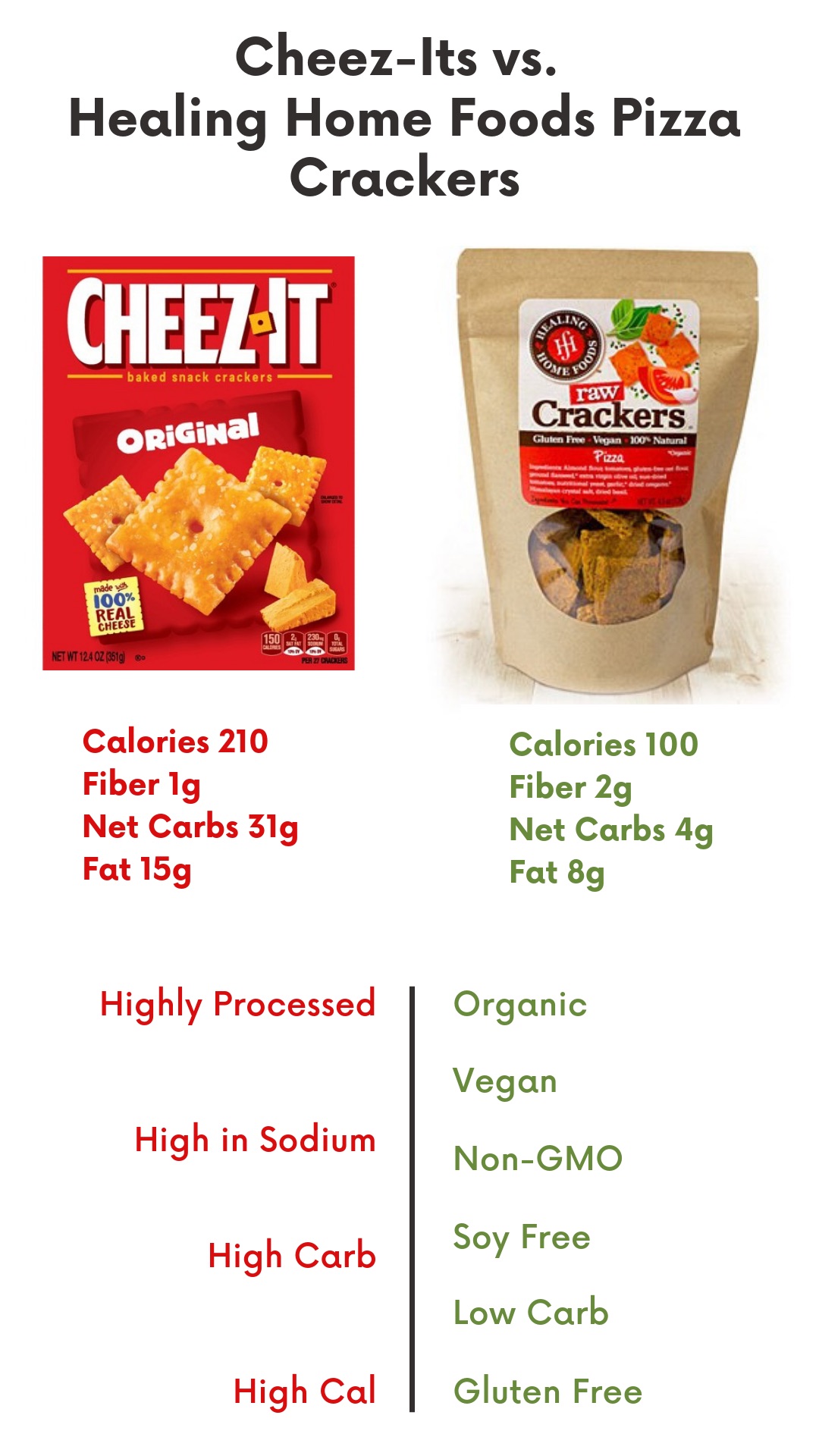
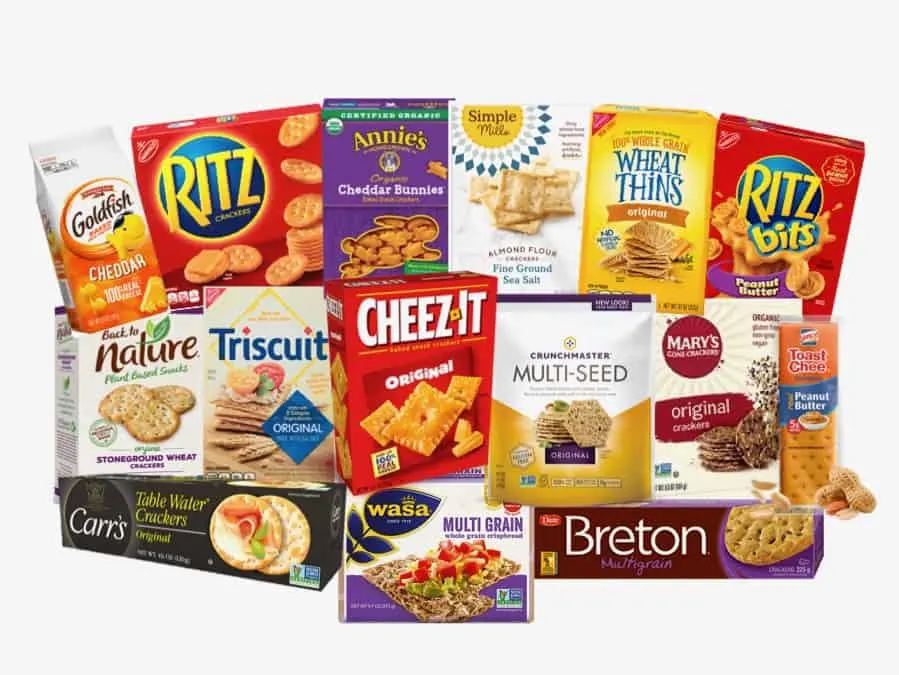
Most boxed crackers use refined flour and oil. They can be low in fiber and protein. Many also carry extra sodium. That mix can leave you hungry fast.
A healthy alternative to crackers can give more fiber and more good fats. It can slow the rise in blood sugar. It can also help you feel full with fewer calories. That is why these swaps help with weight goals.
From my practice, small swaps add up. Clients who choose a healthy alternative to crackers eat fewer empty calories. They also report better focus in the afternoon. These wins keep them on track.
What defines a healthy alternative to crackers?
Look for whole food first. Seeds, nuts, pulses, sea greens, and veggies are great bases. Aim for short ingredient lists.
Check key numbers per serving:
- Fiber at 3 grams or more helps fullness.
- Protein at 5 grams or more adds staying power.
- Sodium under 200 milligrams keeps salt in check.
- Added sugar at 0 grams prevents sneaky sweets.
Texture matters too. You want crunch without a fry vat. A healthy alternative to crackers should bake or air dry well. It should hold dips without breaking.
Top healthy alternatives to crackers you can buy today
Seed crackers
- What they are: Thin crisps made from flax, chia, pumpkin, or sesame.
- Why they work: High fiber and good fats. Often gluten free.
- Try with: Hummus, tuna salad, or smashed avocado.
Roasted seaweed sheets
- What they are: Light, crisp nori squares.
- Why they work: Very low calorie, source of iodine and minerals.
- Try with: Brown rice, cucumber, and a swipe of tahini.
Veggie chips without starch fillers
- What they are: Baked beets, carrots, or kale chips.
- Why they work: More vitamins and fiber than plain crackers.
- Try with: Greek yogurt dip or salsa.
Lentil or chickpea crisps
- What they are: Puffed legumes with a light crunch.
- Why they work: More protein and fiber than wheat crackers.
- Try with: Tzatziki or guacamole.
Rice cakes with whole grain
- What they are: Puffed brown rice rounds.
- Why they work: Light base for protein-rich spreads.
- Try with: Cottage cheese and tomato.
Parmesan crisps
- What they are: Baked cheese wafers.
- Why they work: High protein and zero carbs.
- Try with: Sliced pear or a small fruit side for balance.
Roasted chickpeas
- What they are: Crunchy baked garbanzo beans.
- Why they work: Fiber, protein, and a big crunch.
- Try with: Olive tapenade or a veggie tray.
Almond thins or nut-and-seed thins
- What they are: Crackers made from nut flour and seeds.
- Why they work: Low carb, high fat, and filling.
- Try with: Pesto or olive oil and herbs.
Edamame snacks
- What they are: Dry roasted soybeans.
- Why they work: Protein rich and portable.
- Try with: Sliced red pepper and a light dip.
Cucumber rounds
- What they are: Thick slices used as “mini crackers.”
- Why they work: Hydrating, crisp, and low calorie.
- Try with: Hummus or smoked salmon.
Apple slices
- What they are: Crisp fruit rounds.
- Why they work: Natural sweetness and fiber.
- Try with: Nut butter or sharp cheddar.
Carrot chips
- What they are: Thin, baked carrot slices.
- Why they work: Sweet crunch with beta carotene.
- Try with: Tahini lemon dip.
Mini bell pepper scoops
- What they are: Halved peppers used as cups.
- Why they work: Big crunch, vitamin C, and color.
- Try with: Black bean dip or whipped feta.
Nori rice crackers with sesame
- What they are: Brown rice and nori pressed chips.
- Why they work: Whole grain base and sea minerals.
- Try with: Avocado and a pinch of furikake.
Freeze-dried snap peas
- What they are: Light, crisp peas with no oil.
- Why they work: More fiber and a green crunch.
- Try with: Greek yogurt ranch.
Every pick above can serve as a healthy alternative to crackers in a lunch box, a late work snack, or on a party board. The key is pairing for balance.
Easy homemade healthy alternatives to crackers
Two-ingredient flax crackers
- Mix ground flaxseed with water and salt.
- Spread thin on a lined pan.
- Bake at low heat until crisp.
- Add herbs or garlic for flavor.
Almond sesame crisps
- Blend almond flour, sesame seeds, egg white, and spices.
- Roll thin between sheets.
- Score, bake, and cool.
Chickpea pan socca
- Whisk chickpea flour, water, olive oil, and salt.
- Rest the batter.
- Bake in a hot pan.
- Slice into wedges for dips.
Baked sweet potato rounds
- Slice ¼ inch thick.
- Brush with oil and spices.
- Roast until edges brown.
- Cool for extra snap.
I make these weekly during busy seasons. They keep well and save money. Each one stands in as a healthy alternative to crackers with real crunch and clean taste.
Smart pairings: make each healthy alternative to crackers more filling
Use the PFF rule: protein, fat, and fiber. This trio keeps you full.
Great combos
- Seed crackers with cottage cheese and berries.
- Cucumber rounds with hummus and hemp seeds.
- Lentil crisps with guacamole and pico.
- Parmesan crisps with sliced apple and walnuts.
- Roasted chickpeas with grape tomatoes and olives.
Portion tips
- Start with a palm of the base.
- Add a thumb of fat like nut butter or avocado.
- Add a palm of protein like yogurt or tuna.
- Add color with produce.
A healthy alternative to crackers shines when the plate looks mixed and bright. Aim for at least two colors.
Shopping and label tips for any healthy alternative to crackers
Short list, real foods. If sugar is in the first three items, skip it. If seed oils top the list, compare other brands.
What to scan
- Fiber at 3 grams or more per serving.
- Protein at 5 grams or more per serving.
- Sodium under 200 milligrams per serving.
- No artificial colors or flavors.
Budget moves
- Buy seeds and nuts in bulk.
- Try store brands with the same specs.
- Rotate one fresh pick with one shelf pick.
This is how I guide clients. With a simple scan, you can pick a healthy alternative to crackers that fits your goal.
Diet-specific guides: choose the right healthy alternative to crackers
Gluten free
- Seed crackers, seaweed sheets, roasted chickpeas.
- Check for cross contact if very sensitive.
Low carb or keto
- Parmesan crisps, almond thins, cucumber rounds.
- Watch added starches in “keto” snacks.
Plant-based
- Lentil crisps, nori, roasted chickpeas, veggie chips.
- Add tofu dip or bean spreads for protein.
Low sodium
- DIY bakes, unsalted roasted chickpeas, plain rice cakes.
- Flavor with herbs, citrus, or vinegar.
Food allergies
- For nut-free, use seeds or pulses.
- For sesame allergy, avoid tahini and sesame seeds.
With these notes, your healthy alternative to crackers will match your plan and your tastes.
Prep, storage, and on-the-go ideas for your healthy alternative to crackers
Batch on Sunday. Bake two trays of seed crisps. Roast a sheet pan of chickpeas. Wash and slice cucumbers and peppers.
Pack smart
- Use small jars for dips to prevent soggy bites.
- Keep crisp items in hard cases.
- Add a cold pack for dairy or fish dips.
Shelf life tips
- Seed crackers stay crisp for one week in a tin.
- Roasted chickpeas keep two to three days.
- Veggie rounds are best the same day.
These steps make a healthy alternative to crackers easy to grab. No stress. No crumbs all over the bag.
Common mistakes when picking a healthy alternative to crackers
Choosing “veggie” chips that are mostly starch
- Many use potato starch and oil.
- Check that real veggies lead the list.
Forgetting protein
- A base alone may not fill you up.
- Add yogurt, beans, fish, or eggs.
Overdoing portion size
- Nuts and seeds are calorie dense.
- Use a small bowl to keep it in check.
Ignoring sodium
- Some puffed snacks add a lot of salt.
- Choose light salt or spice blends.
With these fixes, every healthy alternative to crackers works harder for you.
Frequently Asked Questions of healthy alternative to crackers
What is the healthiest alternative to crackers for weight loss?
Seed crackers or cucumber rounds with protein-rich dips work well. They deliver fiber, protein, and volume for few calories.
Are rice cakes a good healthy alternative to crackers?
Yes, when paired with protein and healthy fat. Pick brown rice cakes and add cottage cheese or nut butter.
What can I dip into hummus instead of crackers?
Try cucumber rounds, carrot chips, mini peppers, or roasted chickpeas. These options give crunch and more fiber.
How do I make homemade crackers extra crisp?
Roll the dough very thin and bake low and slow. Cool fully on a rack to set the crunch.
What is a low-sodium healthy alternative to crackers?
DIY seed crisps and unsalted roasted chickpeas are strong picks. Flavor with herbs, citrus zest, or garlic.
Can I find a gluten-free healthy alternative to crackers at most stores?
Yes, look for seed crackers, lentil crisps, and seaweed sheets. Check labels for certified gluten-free if needed.
Conclusion
A healthy alternative to crackers can be simple, crisp, and tasty. Start with one swap this week, like seed crackers with hummus or cucumber rounds with tuna. Build each snack with protein, fat, and fiber for steady energy.
Test two or three ideas and see what you love. Share your wins and questions in the comments. Subscribe for more quick guides and new recipes you can trust.