

Choose stevia, monk fruit, or allulose as the healthiest alternatives to sugar.
If you want a healthy alternative to sugar that tastes good, works in real recipes, and supports your goals, you are in the right place.
I have tested dozens of options in home kitchens and commercial bakes. In this guide, I break down what works, what does not, and how to pick a healthy alternative to sugar for daily use, baking, and blood sugar control.
What Makes a Healthy Alternative to Sugar?
A healthy alternative to sugar should taste sweet, be safe, and support your health goals. Look for a low glycemic impact, low or moderate calories, and clean labels. Make sure it fits your gut, your diet, and your cooking needs.
Taste matters. If you hate the aftertaste, you will not use it. Stevia and monk fruit can taste clean when blended well. Allulose tastes very close to sugar, with light caramel notes. Sugar alcohols can cool the mouth.
Check the glycemic index and net carbs. A healthy alternative to sugar should keep blood sugar stable. Stevia, monk fruit, allulose, and erythritol have little to no effect. Honey, maple syrup, and coconut sugar still raise blood sugar, but less than table sugar when used sparingly.
Safety and tolerance count. Some sugar alcohols can upset the gut in large amounts. Xylitol is unsafe for dogs. Read labels and start small. In my work with clients, a slow swap plan always helps.
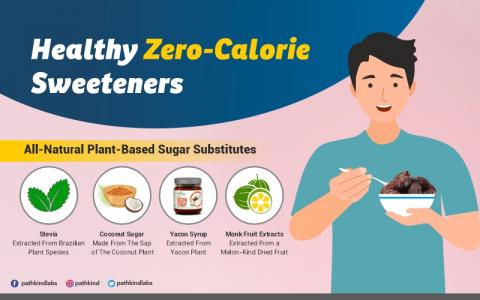
Top Natural Healthy Alternatives to Sugar
Below are top choices I use in recipes and nutrition plans. Each healthy alternative to sugar has pros and cons. Pick what fits your taste and needs.
Stevia
Stevia comes from a leaf. It is very sweet and has zero calories. Good brands cut the bitter notes. It works in drinks, yogurt, and sauces. It is not great for caramel or browning.
Pros: Zero calories. Zero glycemic impact. Very sweet, so you use less.
Cons: Can taste bitter if overused. Not ideal for baking volume.
Monk Fruit (Luo Han Guo)
Monk fruit is a plant sweetener with mogrosides. It has a clean taste in good blends. It has zero calories and no sugar. I like it in tea and quick sauces.
Pros: Zero calories. Neutral taste in blends.
Cons: Pure monk fruit is rare; blends vary in taste and strength.
Allulose
Allulose is a rare sugar with about 0.2 to 0.4 calories per gram. It browns, bulks, and tastes close to sugar. I use it for cookies and ice cream. It can soften baked goods, which is a plus for chew.
Pros: Sugar-like taste. Helps with browning and texture. Very low glycemic impact.
Cons: Can cause mild bloating for some at high doses. Slightly less sweet than sugar.
Raw Honey
Honey is natural and has trace antioxidants. It is still sugar and raises blood sugar. I use it in dressings and glazes. A little goes a long way.
Pros: Deep flavor and simple to use. Some antioxidants.
Cons: High in sugar. Not for infants under one year.
Maple Syrup
Maple syrup adds rich flavor. It has minerals but is still sugar. It shines in oatmeal and marinades. Use sparingly.
Pros: Great taste and easy in sauces.
Cons: Raises blood sugar. Adds liquid to recipes.
Date Sugar or Date Paste
Made from whole dates, it brings fiber and a caramel taste. It does not dissolve well in drinks. It works in bars, muffins, and no-bake treats.
Pros: Whole-food option with fiber.
Cons: Still high in natural sugars. Texture can be grainy.
Coconut Sugar
Coconut sugar has a lower glycemic index than table sugar but still raises blood sugar. It tastes like light caramel. Good in coffee and granola.
Pros: Familiar taste and easy swap.
Cons: Still sugar and calorie dense.
A healthy alternative to sugar is not one-size-fits-all. I rotate stevia or monk fruit for drinks, allulose for baking, and dates for whole-food treats. This mix keeps taste high and blood sugar steady.
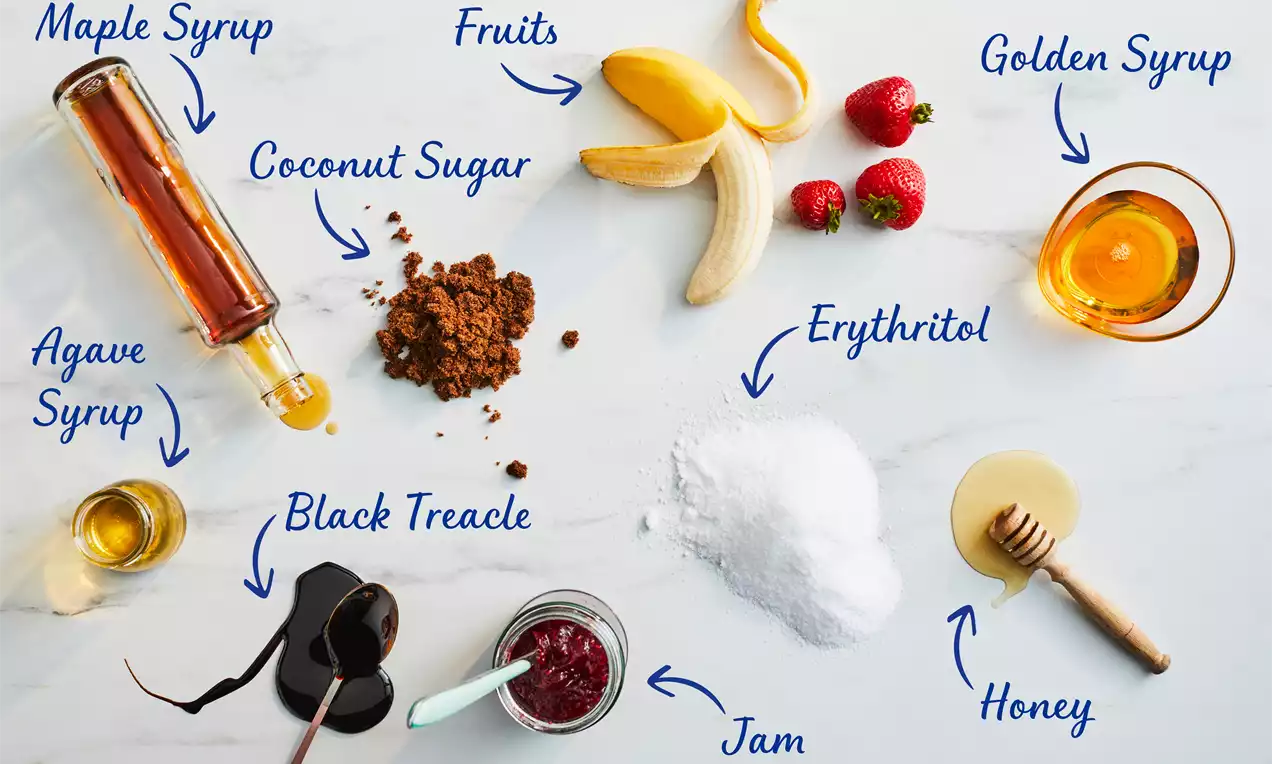
Sugar Alcohols and Low-Calorie Sweeteners Explained
Sugar alcohols can be a healthy alternative to sugar when used with care. They are lower in calories and have a low glycemic effect. Tolerance varies, so test small amounts first.
Erythritol
Very low in calories and low glycemic. It tastes clean with a slight cooling feel. I blend it with stevia to cut aftertaste.
Best for: Cookies, frostings, and coffee.
Watch for: Cooling effect and mild gut issues in large amounts.
Xylitol
Similar sweetness to sugar and good in baking. Low glycemic impact. Never give it to dogs; it is toxic for them.
Best for: Chewing gum and some baked goods.
Watch for: Can cause gas if you overdo it. Keep away from pets.
Maltitol and Sorbitol
These are common in candy and bars. They can cause stomach upset for many people.
Best for: Processed low-sugar treats.
Watch for: Digestive distress in higher doses.
Some people thrive with sugar alcohols. Others do not. A healthy alternative to sugar should fit your body. Track how you feel and adjust.

Health Effects and Glycemic Impact
Your body reacts to sweeteners in different ways. A healthy alternative to sugar should keep blood sugar steady. It should not drive big insulin spikes. Stevia, monk fruit, allulose, and erythritol have little to no effect on blood sugar in most people.
Calorie load also matters. Sugar has about 4 calories per gram. Allulose has about 0.2 to 0.4. Erythritol has about 0.2. Stevia and monk fruit have zero. Honey and maple syrup are still calorie dense.
Dental health is a plus. Xylitol can help reduce cavity risk in gum form. Erythritol is tooth-friendly too. Regular sugar feeds mouth bacteria.
Gut health varies. Some people feel fine with allulose and erythritol. Others get gas or bloating if they use too much. Start low and spread intake through the day.
Research reviews show non-nutritive sweeteners do not raise blood sugar in the short term for most people. Long-term effects depend on diet and dose. Use a balanced approach and whole foods first.

How to Switch from Sugar: A Step-by-Step Plan
A healthy alternative to sugar works best with a smart plan. Use this simple path to change habits that stick.
- Cut your added sugar by 25 percent this week. Drink water or tea instead of soda once per day.
- Pick one healthy alternative to sugar for drinks and one for baking. Keep it simple.
- Use stevia or monk fruit in coffee or tea for two weeks. Adjust drop by drop.
- Swap half the sugar in recipes with allulose or erythritol. Note taste and texture.
- Add more protein and fiber to meals. They lower cravings for sweets.
- Track how you feel. Watch energy, focus, and digestion. Tweak your mix.
In my kitchen tests, small steps beat big leaps. Clients who move slow stick with it longer and feel better.

Cooking and Baking with Healthy Alternatives to Sugar
Baking is both art and science. A healthy alternative to sugar can change browning, moisture, and crumb. Use these tips to keep taste high.
Basic Conversion Tips
- Allulose: Use about 1.2 to 1.3 times the amount of sugar. It is less sweet.
- Erythritol: Use 1.25 times sugar for similar sweetness. Blend with stevia for balance.
- Stevia or Monk Fruit Drops: Start very low. Add drop by drop to taste.
- Date Paste: Replace part of the sugar and part of the liquid. Expect a denser crumb.
Texture and Browning
- Allulose browns and softens. Great for cookies and caramel sauces.
- Erythritol can crystallize. For smooth sauces, add a little allulose or glycerin.
- Stevia and monk fruit need a bulking agent for cakes. Add applesauce or yogurt.
Flavor Balancing
- Add a pinch of salt or lemon juice to cut bitterness.
- Use vanilla or cinnamon to round the flavor.
- For chocolate bakes, a shot of espresso deepens taste.
Every oven and brand acts a bit different. Note results and make one change at a time. That is how you master a healthy alternative to sugar in baking.
Label Reading and Buying Guide
A smart buy makes a big difference. Use this simple checklist to choose a healthy alternative to sugar.
- Read the ingredient list. Choose short labels with known names.
- Check for fillers like maltodextrin. They can raise blood sugar.
- Look at serving size. Many blends are sweeter than sugar.
- Compare price per ounce. Some are very concentrated and last longer.
- Pick trusted brands. Consistency matters in baking.
- For allulose and erythritol, look for non-GMO if that is your preference.
Taste test side by side. Brew two cups of tea. Sweeten each with a different healthy alternative to sugar. Your tongue will tell you the truth.

Common Mistakes and How to Avoid Them
Many people switch fast and quit. Avoid these pitfalls to get the most from a healthy alternative to sugar.
- Using too much at once. Start low to avoid aftertastes or tummy issues.
- Expecting a perfect sugar clone. Adjust recipes for texture and browning.
- Ignoring total diet. Add protein, fiber, and healthy fats to curb cravings.
- Mixing too many sweeteners at first. Learn one, then layer in another.
- Forgetting hidden sugars. Check sauces, condiments, and coffee drinks.
I once tested a cake with only stevia. It turned out flat and bitter. The fix was simple. I added allulose for bulk and a splash of vanilla. The cake bounced back with a fine crumb and clean sweetness.
Frequently Asked Questions of healthy alternative to sugar
What is the best healthy alternative to sugar for baking?
Allulose is the closest in taste and browning. Erythritol blends also work, but you may need to adjust moisture for texture.
Which sweetener is best for diabetes?
Stevia, monk fruit, allulose, and erythritol have little to no effect on blood sugar. Always check your response with a meter.
Can a healthy alternative to sugar help with weight loss?
It can lower calories and curb cravings. Pair it with protein, fiber, and movement for better results.
Is honey a healthy alternative to sugar?
Honey is natural but still raises blood sugar. Use small amounts for flavor, not as a free pass.
Will sugar alcohols upset my stomach?
They can in large amounts. Start low, split doses across the day, and see how your body reacts.
Are these sweeteners safe for kids?
Most are safe in modest amounts as part of a balanced diet. Avoid honey for infants and keep xylitol away from pets.
Do these sweeteners affect the gut microbiome?
Responses vary. Some people feel fine, others may get gas. Track your digestion and rotate options if needed.
Conclusion
A healthy alternative to sugar can help you keep sweet taste, steady energy, and better health. Choose one or two options that fit your taste, gut, and goals. Use stevia or monk fruit for drinks, and try allulose or erythritol for baking. Start small, note results, and refine.
Take your next step today. Swap one sugary drink, test one sweetener in a favorite recipe, and track how you feel. Want more guides and tested recipes? Subscribe for updates and share your results in the comments.