

Healthy noodle alternatives include veggie noodles, legume pastas, and low-carb konjac or kelp.
If you want pasta night without the energy crash, you’re in the right place. I’ve tested, tasted, and coached clients through dozens of healthy noodle alternatives.
Here, I’ll show you how to choose, cook, and enjoy healthy noodle alternatives that fit your goals, from weight loss to blood sugar control, without losing comfort or flavor.

What Makes a Noodle Alternative “Healthy”?
Healthy noodle alternatives do more than cut calories. They bring fiber, protein, and steady energy. Look for options that reduce refined starch, add micronutrients, and keep you full. This helps you stay satisfied and meet wellness goals.
Key factors to consider:
- Fiber content supports fullness and gut health. Viscous fibers help manage appetite and blood sugar.
- Protein helps muscle repair and improves satiety, especially in legume-based noodles.
- Glycemic impact matters. Lower and slower carbs help steady energy and may aid blood sugar control.
- Ingredient list should be short and clear. Avoid heavy gums, added starches, and excess sodium.
- Fit to your needs. Gluten-free, low-carb, high-protein, or whole-grain options all exist.
Evidence notes:
- Studies show glucomannan fiber (in konjac shirataki) supports fullness and may aid weight management when part of a balanced diet.
- Trials with legume pasta show lower post-meal glucose and higher satiety than refined wheat pasta.
- Replacing refined grains with whole grains is linked to heart and metabolic benefits.

Top Healthy Noodle Alternatives by Goal
Low-calorie and low-carb focus
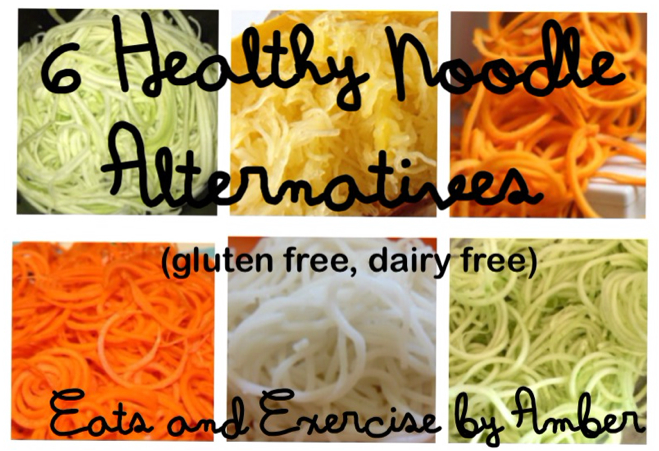
- Shirataki (konjac) noodles: Almost no digestible carbs and very low calories. Rinse well, parboil, then dry-fry for best texture.
- Hearts of palm noodles: Light, slightly tangy, and very low calorie. Great with tomato or pesto sauces.
- Kelp noodles: Crisp and mineral-rich. Soak to soften. Watch sodium if you are salt-sensitive.
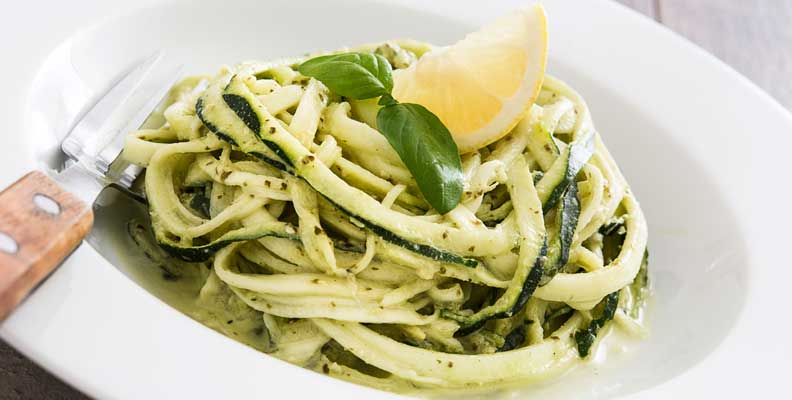
- Zucchini noodles (zoodles): Fresh, quick, and low calorie. Salt and drain to avoid sogginess.
- Spaghetti squash: Naturally stringy “spaghetti” with a mild taste. Roast for sweetness and better texture.
High-protein and high-fiber focus
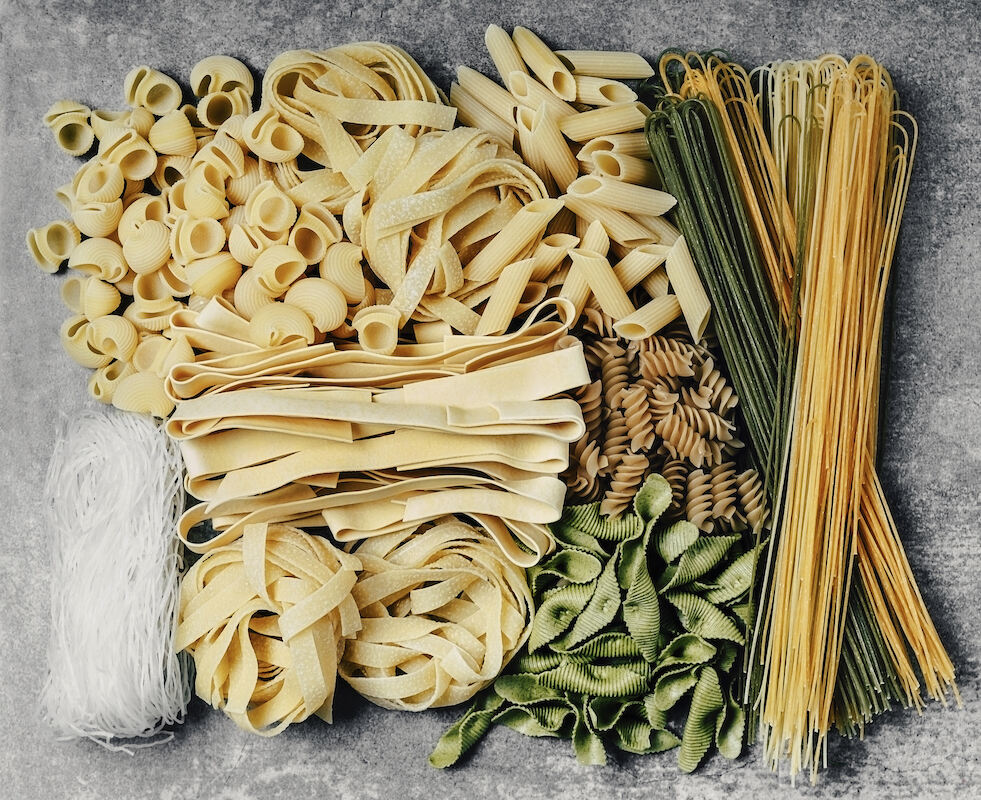
- Chickpea pasta: About 20 grams protein and 10+ grams fiber per 3.5-ounce dry serving. Firm bite and nutty taste.
- Lentil pasta: Similar macros to chickpea. Great for hearty sauces.
- Edamame or black bean spaghetti: Highest protein per bite. Pairs well with bold flavors like sesame, garlic, and chili.
Whole-grain and gentle-on-digestion focus
- Whole-wheat spaghetti: More fiber and micronutrients than regular pasta. Great taste with a familiar feel.
- 100% buckwheat soba: Naturally gluten-free if pure. Earthy flavor; excellent chilled with soy-ginger sauces.
- Brown rice noodles: Gluten-free with a mild flavor. Good for stir-fries and brothy bowls.
- Quinoa-blend noodles: Balanced amino acids and steady energy. Check labels to avoid unnecessary starches.
Healthy noodle alternatives can match almost any taste or diet. Try mixing two styles in one bowl to balance texture and nutrition.

How to Cook Each Type So It Actually Tastes Great?
Shirataki (konjac)
- Rinse 1-2 minutes under cold water.
- Boil 2-3 minutes, drain, then dry-fry in a pan until squeaky.
- Add sauce at the end so flavor clings.
Hearts of palm
- Rinse and pat dry.
- Warm gently in sauce. Do not overcook or it turns mushy.
- Works best with acidic sauces or fresh herbs.
Kelp noodles
- Soak in warm water with a squeeze of lemon and a pinch of baking soda for 15-20 minutes.
- Rinse and toss with a creamy or spicy sauce.
- Add crunchy toppings for contrast.
Zoodles
- Salt lightly, rest 10 minutes, then squeeze out water.
- Sauté quickly, 1-2 minutes. Pull while still crisp.
- Toss with sauce off heat to reduce moisture.
Spaghetti squash
- Roast halves cut-side down at 400°F for 35-45 minutes.
- Scrape strands with a fork and season.
- Pan-finish with olive oil, garlic, and herbs.
Legume pastas (chickpea, lentil, edamame)
- Salt the water well.
- Undercook by 1 minute, taste, then finish in sauce.
- Rinse briefly if using in cold salads to remove extra starch.
Soba and brown rice noodles
- Do not overcook; test often.
- Rinse soba after boiling to remove surface starch and prevent gumminess.
- Toss with sesame oil to prevent clumping.
These small steps turn healthy noodle alternatives from “fine” to “fantastic.”

Pairing Sauces and Proteins for Balance
Healthy noodle alternatives shine when sauces and add-ins match their texture and macros. Use the bowl as your canvas, and keep a balance of protein, fat, and fiber.
Great pairings:
- Shirataki with peanut-lime sauce, edamame, and crunchy cabbage. Low-carb but bold in flavor.
- Zoodles with turkey meatballs, tomato-basil sauce, and shaved Parmesan. Light yet filling.
- Chickpea pasta with olive oil, garlic, roasted tomatoes, and tuna. High protein and fiber.
- Soba with tofu, scallions, sesame, and a light soy-ginger dressing. Savory and steady energy.
- Spaghetti squash with pesto, grilled chicken, and toasted pine nuts. Herb-forward comfort.
Aim for one lean protein, one smart fat, and lots of veggies. This keeps healthy noodle alternatives satisfying and nutrient-dense.
Shopping and Label Tips
Labels tell you a lot. A few smart checks save money and improve taste.
What to look for:
- Short ingredient lists. For legume pasta, look for only chickpeas or lentils plus water.
- For soba, choose 100% buckwheat when you need gluten-free. Many brands mix with wheat.
- Sodium check for kelp noodles and packaged sauces.
- Fiber and protein numbers. Higher values often mean better satiety.
- Allergen flags. Soy in edamame pasta, buckwheat in soba, and cross-contamination risks.
- Package weight vs serving size. Some packs look big but hold two small servings.
These habits help you pick the best healthy noodle alternatives for your kitchen.
Meal Prep, Storage, and Reheating
Meal prep can make or break texture. Water-heavy veggies need extra care.
Practical tips:
- Store noodles and sauces separate. Combine right before eating to avoid sogginess.
- Pat dry zoodles, hearts of palm, and spaghetti squash before packing.
- Reheat legume or whole-grain noodles gently with a splash of water or broth.
- Shirataki keeps well for a few days. Pan-dry again to refresh texture.
- Most veggie noodles do not freeze well. Spaghetti squash freezes better than zoodles.
These steps keep healthy noodle alternatives tasting fresh all week.
Nutrition Snapshots and Health Notes
Key points at a glance:
- Shirataki: Very low calorie and digestible carbs. The glucomannan fiber can support fullness when paired with protein and fat.
- Legume pastas: High in protein and fiber. They may lower post-meal glucose versus wheat pasta in controlled settings.
- Whole-grain options: More micronutrients and fiber than refined pasta. A steady, familiar choice for families.
- Veggie noodles: Very low calorie volume. Add protein and healthy fats so meals stay satisfying.
Cautions and considerations:
- Kelp noodles can be high in sodium depending on the brand. Rinse well.
- Soba may contain wheat unless labeled 100% buckwheat.
- Legume pastas can be gas-forming for some. Start with small amounts and plenty of water.
- Konjac products should be chewed well and eaten with fluids. That helps comfort and safety, especially for kids and older adults.
Use these notes to match healthy noodle alternatives to your needs and comfort.
Personal Lessons From My Kitchen
When I first swapped pasta for zoodles, my plate looked great but tasted watery. Salting and squeezing changed everything. A 90-second sauté kept the bite and absorbed sauce better.
Shirataki took a few tries. The dry-fry method was the breakthrough. Now I pair it with thick sauces like peanut or miso to boost flavor and cling.
For clients who miss “real pasta,” chickpea or lentil versions win often. We undercook by a minute and finish in the sauce. The texture feels close, and the extra protein means they are full with smaller portions.
The biggest lesson: healthy noodle alternatives work best when you cook for texture first. Then layer flavor and balanced macros.
Frequently Asked Questions of healthy noodle alternatives
Are healthy noodle alternatives good for weight loss?
Yes, many are lower in calories and higher in fiber. Pair them with protein and veggies to stay full longer.
Which healthy noodle alternatives are best for diabetes?
Legume pastas and shirataki have a lower glycemic impact. Combine with lean protein and healthy fat for steadier glucose.
Do healthy noodle alternatives taste like regular pasta?
Some are very close, like chickpea or whole-wheat pasta. Veggie and konjac styles taste different but can be delicious with the right sauce.
Are healthy noodle alternatives gluten-free?
Many are, including shirataki, brown rice, 100% buckwheat soba, legume pastas, and veggie noodles. Always check labels for blends or cross-contact.
How can I keep veggie noodles from getting soggy?
Salt, rest, and squeeze out water before cooking. Sauté briefly and toss with sauce off heat.
Can kids enjoy healthy noodle alternatives?
Yes, start with familiar textures like chickpea pasta or spaghetti squash. Keep sauces simple and avoid very spicy options at first.
Are kelp noodles safe to eat often?
They are low calorie but can be higher in sodium. Rinse well and balance with low-salt sauces.
Conclusion
Healthy noodle alternatives can cut refined carbs, boost fiber and protein, and keep pasta night joyful. Match the option to your goal, cook for texture, and balance the bowl with lean protein, smart fats, and colorful veggies.
Start with one swap this week zoodles on Monday or chickpea pasta on Friday and build your new favorites. If this guide helped, subscribe for more practical nutrition tips, or share your best healthy noodle alternatives in the comments.