

Healthy diet alternatives are simple food swaps that raise nutrients and cut empty calories.
If you want a plan that fits real life, you are in the right place. I have helped many people choose healthy diet alternatives that work at home, work, and on the go. In this guide, I explain what to swap, why it works, and how to make it stick. You will get science-backed advice, real-world tips, and tools you can use today.
What healthy diet alternatives really mean?
Healthy diet alternatives are not a new diet. They are smart swaps you can keep for life. You replace low-value foods with better options that match your taste, culture, and budget.
This approach helps you get more protein, fiber, and healthy fats. It also lowers added sugar, sodium, and refined starch. Research shows these shifts improve weight, heart health, blood sugar, and gut health. Healthy diet alternatives focus on small steps that add up. You can start at your next meal.
Healthy diet alternatives are flexible. You can keep favorite dishes and change the parts that do not serve you. That way, you feel in control and satisfied.

Core principles for choosing healthy diet alternatives
Use these simple rules to guide every swap. Healthy diet alternatives work best when they are clear and repeatable.
- Choose whole or minimally processed foods most of the time.
- Prioritize lean and plant protein to support muscles and fullness.
- Aim for high fiber from vegetables, fruit, beans, and whole grains.
- Favor unsaturated fats from olive oil, nuts, seeds, and fish.
- Cut added sugar and choose low-sodium options when you can.
- Match portions to your hunger, goals, and activity level.
- Keep the cultural flavors you love by swapping the base, not the soul of the dish.
From my coaching notes, the best plan is simple and tasty. If it tastes good, you will stick with it. Healthy diet alternatives should feel like a small upgrade, not a chore.
Evidence-backed swaps by macro
Healthy diet alternatives shine when you target carbs, protein, and fat. These swaps are easy and powerful.
Carb upgrades
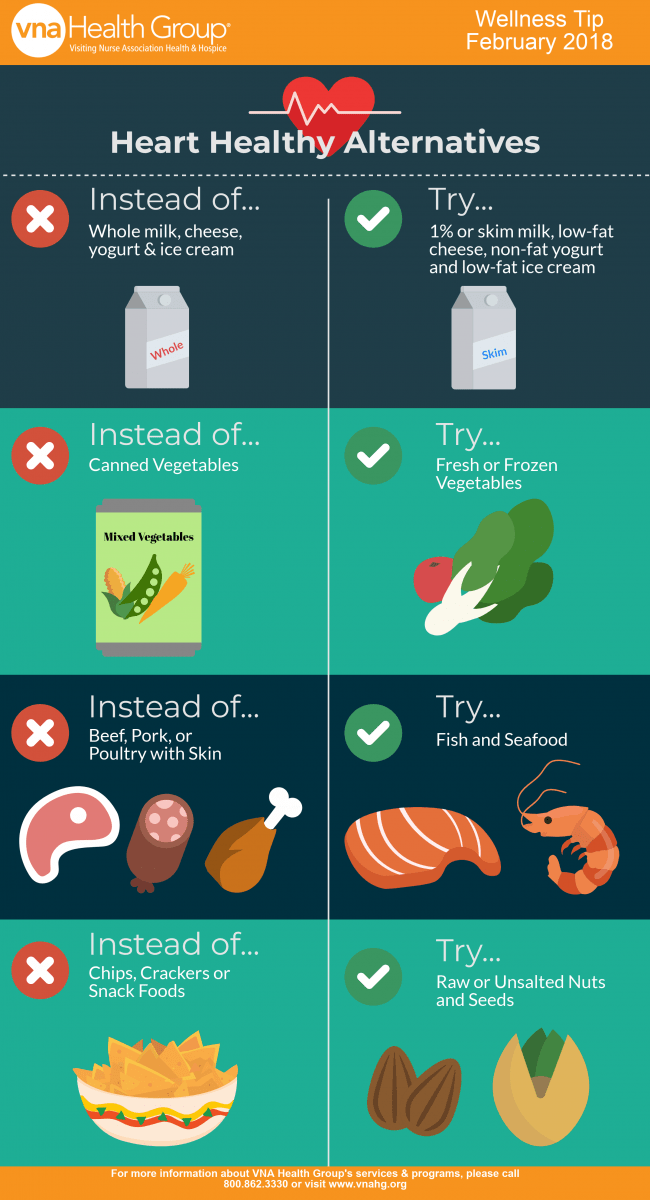
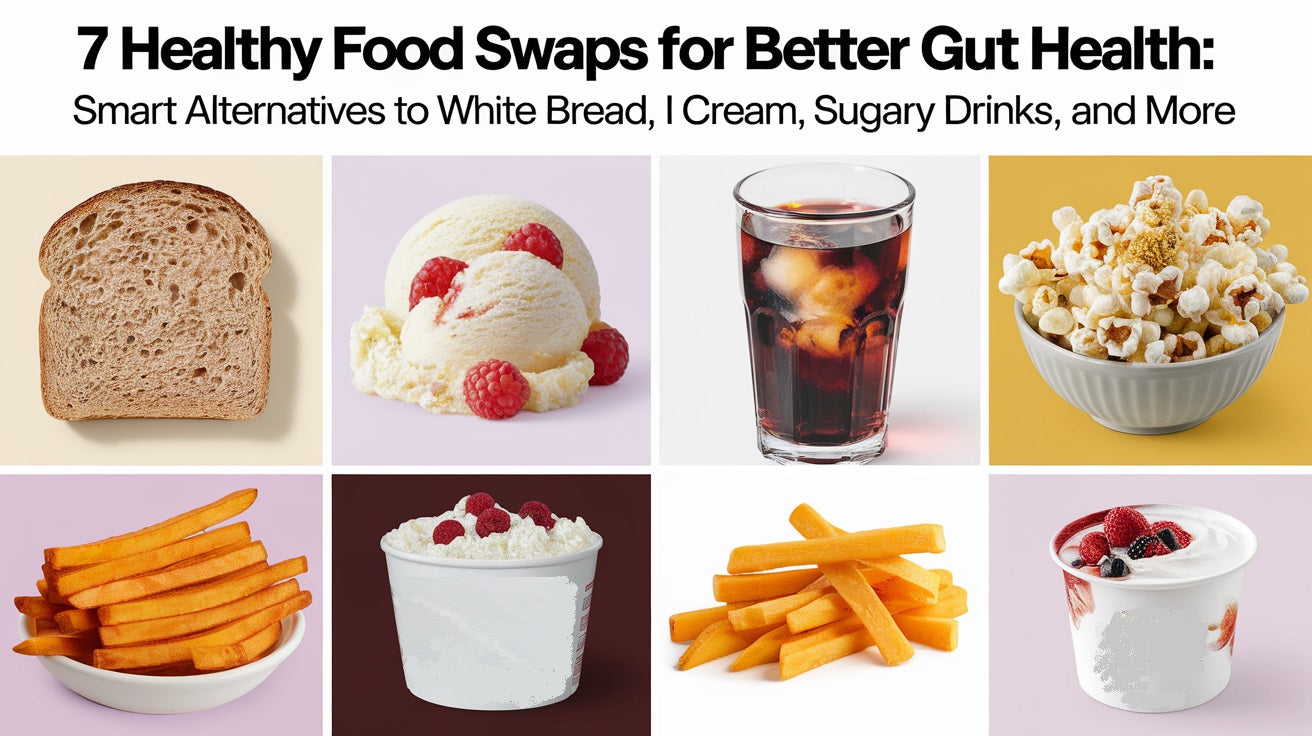
- Swap white bread for 100 percent whole grain bread. This raises fiber and lowers glycemic spikes.
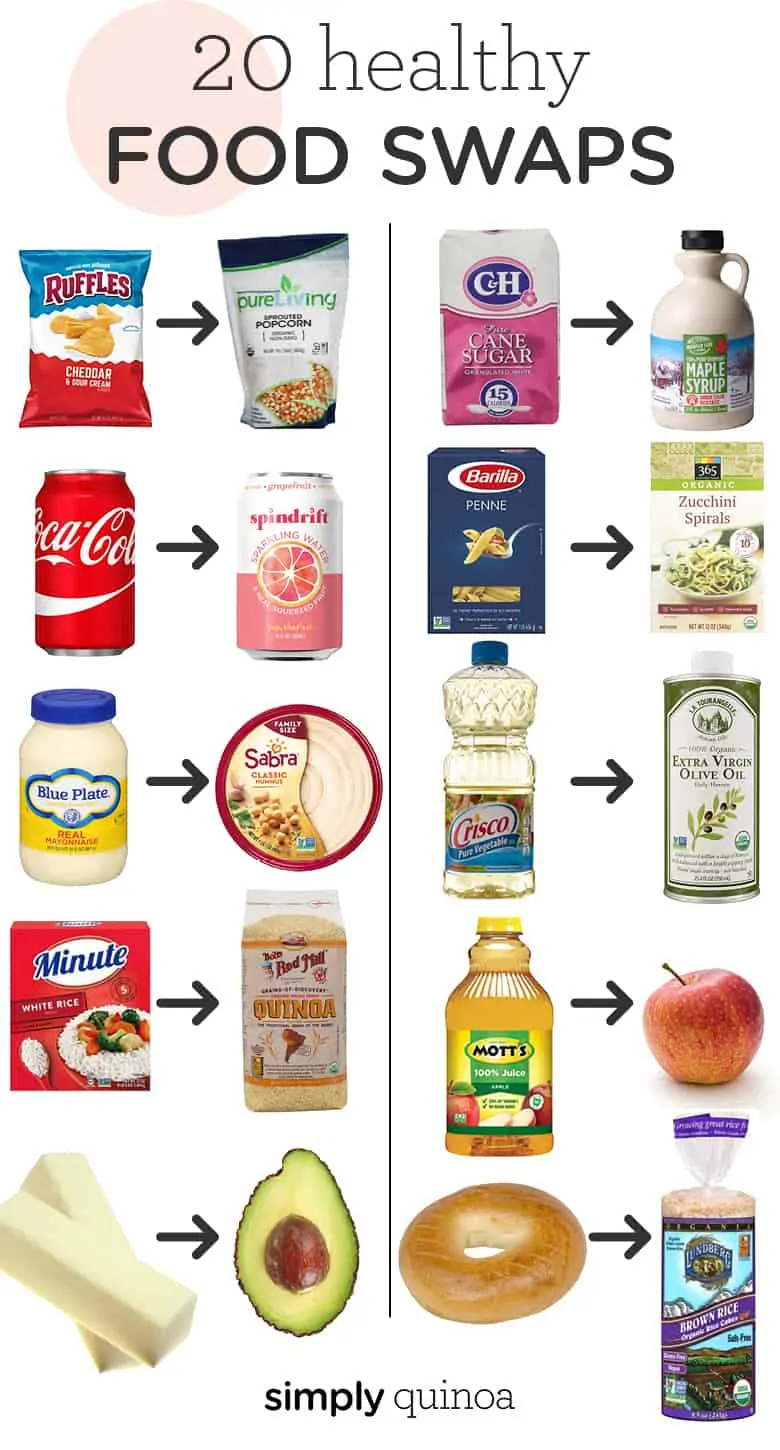
- Swap white rice for brown rice, quinoa, or cauliflower rice. You get more minerals and volume.
- Swap sugary cereal for steel-cut oats with berries. You get beta-glucan fiber that helps cholesterol.
Protein upgrades
- Swap processed deli meats for grilled chicken, turkey, or tuna. This lowers sodium and additives.
- Swap red meat some days for lentils, tofu, or tempeh. Plant proteins help heart and gut health.
- Swap breaded frozen meats for baked or air-fried versions. This cuts refined flour and oil.
Fat upgrades
- Swap butter for extra-virgin olive oil in most cooking. Replacing saturated fat helps heart markers.
- Swap mayo-heavy spreads for mashed avocado or hummus. You add fiber and healthy fats.
- Swap chips for a small handful of nuts or seeds. You get crunch with better nutrients.
These healthy diet alternatives align with strong evidence. Reviews show that whole grains, plant proteins, and unsaturated fats support heart health and metabolic health. Replacing ultra-processed snacks with whole foods reduces excess calories without strict rules.

Meal-by-meal healthy diet alternatives
Small daily choices drive big change. Use these meal ideas to save time and stress.
Breakfast
- Greek yogurt with chia, berries, and a drizzle of honey instead of sweetened yogurt cups.
- Oats cooked in milk with peanut butter and banana instead of pastries.
- Veggie omelet with whole grain toast instead of a large bagel and cream cheese.
Lunch
- Grain bowl with greens, quinoa, beans, and olive oil instead of fast-food burgers.
- Whole grain wrap with turkey, avocado, and slaw instead of a white sub with mayo.
- Leftover roasted vegetables over lentils instead of instant noodles.
Dinner
- Baked salmon, roasted potatoes, and broccoli instead of fried fish and fries.
- Stir-fry with tofu, mixed vegetables, and brown rice instead of takeout lo mein.
- Chili with beans, lean beef or turkey, and veggies instead of heavy cream pasta.
Snacks
- Apple with almonds instead of candy.
- Cottage cheese with pineapple instead of ice cream.
- Popcorn popped in olive oil instead of buttered microwave popcorn.
Drinks
- Water with lemon or sparkling water instead of soda.
- Unsweetened tea or coffee with a splash of milk instead of flavored drinks.
Healthy diet alternatives do not remove joy. They tweak the base so you still get flavor, texture, and comfort.
Dietary patterns that fit healthy diet alternatives
You can plug healthy diet alternatives into many styles of eating. Choose the one that fits your life and health.
Mediterranean pattern
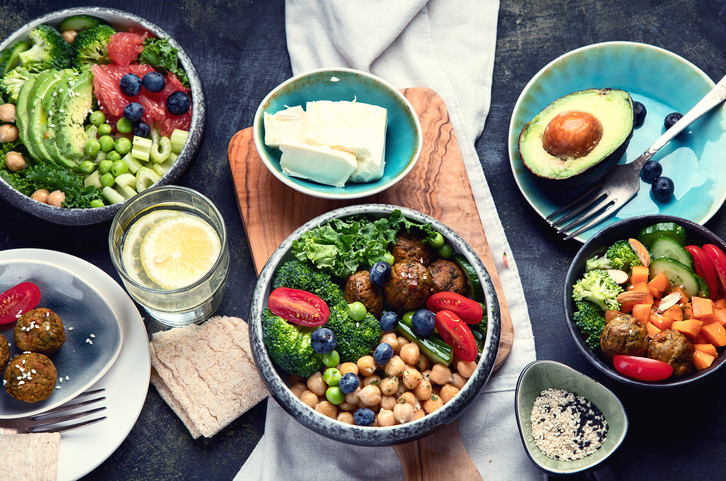
- Focus on olive oil, fish, beans, whole grains, nuts, and vegetables.
- Strong evidence links it to better heart and brain health.
DASH pattern
- Focus on fruit, vegetables, low-fat dairy, lean meats, and low sodium.
- Clinical trials show it lowers blood pressure.
Plant-forward pattern
- Make plants the star and add animal foods as you like.
- Helps fiber intake and gut health. Mind vitamin B12 if strict vegan.
Lower-carb pattern
- Reduce refined carbs and add nonstarchy vegetables and protein.
- Can help blood sugar and hunger control. Choose unsaturated fats.
Higher-protein pattern
- Spread protein across meals to support strength and fullness.
- Useful during weight loss. Aim for a range that fits your needs.
Healthy diet alternatives can adapt to any of these. The goal is a plan you can sustain for months and years.
Grocery and budget strategies
You can eat well without overspending. Healthy diet alternatives often lower cost when planned.
- Shop with a list based on simple meals you repeat.
- Buy frozen vegetables and fruit. They are budget friendly and reduce waste.
- Choose store brands for oats, beans, rice, and nuts.
- Stock canned beans, tuna, and tomatoes. Rinse beans to lower sodium.
- Buy whole chickens or larger cuts. Cook once and use twice.
- Use spices, garlic, and citrus to boost flavor without extra calories.
From my own kitchen, batch cooking saves me during busy weeks. I roast a sheet of vegetables and a tray of chicken on Sunday. Then I build fast meals in minutes.

Eating out and social life
You can keep healthy diet alternatives when dining out. Aim for small moves, not strict rules.
- Scan the menu for grilled, baked, or steamed options.
- Ask for sauces and dressings on the side.
- Trade fries for a side salad or vegetables.
- Split large entrees or pack half to go.
- Choose water or sparkling water instead of sugary drinks.
At events, I eat a protein-rich snack before I go. This reduces impulse choices and helps me enjoy treats with control. Healthy diet alternatives let you enjoy social time without guilt.
Micronutrients and smart supplementation
Food first is best. Still, some healthy diet alternatives may benefit from support.
- Vitamin D may be low if you get little sun. A simple supplement can help if advised.
- Vitamin B12 is key for vegans. Choose fortified foods or a supplement if needed.
- Omega-3 from fish supports heart health. If you do not eat fish, consider algae-based omega-3.
- Iron and calcium matter for many people. Build meals with beans, greens, seeds, dairy, or fortified plant milks.
Always check with a healthcare professional if you have medical conditions, take medicines, or are pregnant. Supplements do not replace a good diet. They fill gaps.

Source: stuartdentalspa.com
One-day sample menu using healthy diet alternatives
Breakfast
- Oats cooked in milk topped with blueberries and walnuts.
- Black coffee or tea.
Snack
- Apple with two tablespoons of peanut butter.
Lunch
- Quinoa bowl with chickpeas, roasted vegetables, and tahini lemon sauce.
Snack
- Greek yogurt with cinnamon and sliced banana.
Dinner
- Grilled salmon, brown rice, and a big mixed salad with olive oil.
Dessert
- Dark chocolate square with strawberries.
This simple day is rich in protein, fiber, and healthy fats. It shows how healthy diet alternatives can taste great and keep you full.
Habits, tracking, and common pitfalls
Consistency beats perfection. Use easy tools to stay on track with healthy diet alternatives.
- Plan three core meals you love and repeat them.
- Keep protein and produce visible and ready to use.
- Track a few basics like fiber, steps, and sleep for two weeks.
- Use a smaller plate and eat slowly to notice fullness.
- Avoid the all-or-nothing trap. One meal never ruins your progress.
I ask clients to pick one swap per week. Over three months, the stack of wins is huge. Healthy diet alternatives build momentum and confidence.
Special situations and when to seek help
Some needs call for tailored advice. Healthy diet alternatives can still fit with care.
- Diabetes or prediabetes. Focus on high-fiber carbs, lean protein, and portions. Monitor blood sugar response.
- Hypertension. Use DASH-style swaps and watch sodium.
- High cholesterol. Favor unsaturated fats and soluble fiber. Limit trans and excess saturated fats.
- Food allergies or celiac disease. Choose certified safe foods and read labels.
- Pregnancy, older age, or athletes. Adjust protein, calcium, iron, and total calories.
If you have symptoms, complex goals, or a medical plan, work with a qualified professional. A brief consult can save months of trial and error.
Frequently Asked Questions of healthy diet alternatives
What are healthy diet alternatives?
Healthy diet alternatives are simple swaps that raise nutrients and reduce empty calories. They fit your culture, budget, and goals without strict rules.
Can healthy diet alternatives help with weight loss?
Yes. They improve fullness and reduce extra calories by adding protein and fiber. You eat better, not less, and weight can drop over time.
Are low-carb swaps always better?
Not always. Many people do well with lower refined carbs, but needs vary. Focus on whole foods and test what works for your energy and labs.
How fast will I see results?
Many feel more energy and less hunger in one to two weeks. Lab and weight changes often show within eight to twelve weeks.
Do I need supplements with healthy diet alternatives?
Maybe. Food should cover most needs, but vitamin D, B12, or omega-3 can help some people. Ask a healthcare professional before starting any supplement.
Conclusion
Healthy diet alternatives are small, repeatable shifts that make your meals work for you. Choose whole foods, boost protein and fiber, and favor healthy fats. Keep flavor, culture, and joy at the center so the plan lasts.
Pick one swap today and test it for a week. Then add another. If you want more tips and simple recipes, subscribe for updates or share your questions in the comments.