

The best healthy m&m alternative uses dark chocolate, natural colors, and minimal sugar.
If you want the crunch and color of candy-coated chocolate without the sugar crash, you are in the right place.
I test, taste, and analyze candy swaps for a living, and this guide breaks down every smart healthy m&m alternative with clear nutrition tips, easy recipes, and expert shopping advice you can trust.

What makes a healthy m&m alternative?
A great swap keeps the fun and fixes the usual downsides. Classic candy pieces are sweet and bright, but they rely on high sugar, artificial colors, and dairy. A strong healthy m&m alternative trims sugar, boosts quality cocoa, and uses real food colors.
Look for these markers when you shop:
- Short ingredient list. Cocoa, cocoa butter, cane sugar or approved low-calorie sweeteners, and natural colors.
- Fewer additives. No artificial dyes like Red 40. Colors from spirulina, beet, turmeric, or annatto are better.
- Better fats. Cocoa butter or coconut oil beat hydrogenated oils.
- Smart sweetness. Less total sugar or sweeteners like allulose, stevia, or monk fruit.
- Diet fit. Vegan, keto, or nut-free options, based on your needs.
- Reasonable serving size. Aim for mindful portions, not a never-ending bag.
From a nutrition view, cocoa brings polyphenols that support heart health and blood flow, as shown in clinical research. Darker chocolate usually has more of these compounds and less sugar. That is why many people feel better choosing a healthy m&m alternative over the classic version.

Best store-bought healthy m&m alternative brands
I’ve tested dozens of candy pieces with clients and in my own kitchen. These options deliver the crunch, color, and chocolate hit with fewer trade-offs. Always check labels, since formulas can change.
- Unreal Chocolate Gems. Dark chocolate, non-GMO, and plant-based colors. Taste is close to classic, with a cleaner label.
- Little Secrets Pieces. Cane sugar sweetened, fair trade chocolate, and natural coloring. Great snap and smooth chocolate.
- ChocZero Chocolate Gems. Keto friendly with monk fruit. No sugar alcohols, so fewer tummy troubles for many.
- Lakanto Chocolate Gems. Low sugar with monk fruit and erythritol. Works for low-carb plans when portions are small.
- YumEarth Choco Yums. Allergen-friendly and colored with plants. A top pick for school-safe treats.
- No Whey Foods Choco No No’s. Dairy-free and peanut-free. Good for vegan households and allergy needs.
- Trader Joe’s Chocolate Sunflower Seed Drops. Nut-free crunch with bright, plant-based colors.
How they feel to eat:
- Crunch. Unreal and Little Secrets have the firmest shell snap.
- Sweetness. ChocZero and Lakanto lean less sweet; Unreal sits in the familiar zone.
- Aftertaste. Monk fruit blends tend to finish cleaner than stevia-only mixes.
When clients ask for a healthy m&m alternative that kids will accept fast, I start with Unreal or Little Secrets. For keto clients, ChocZero is the usual winner.

DIY healthy m&m alternative you can make at home
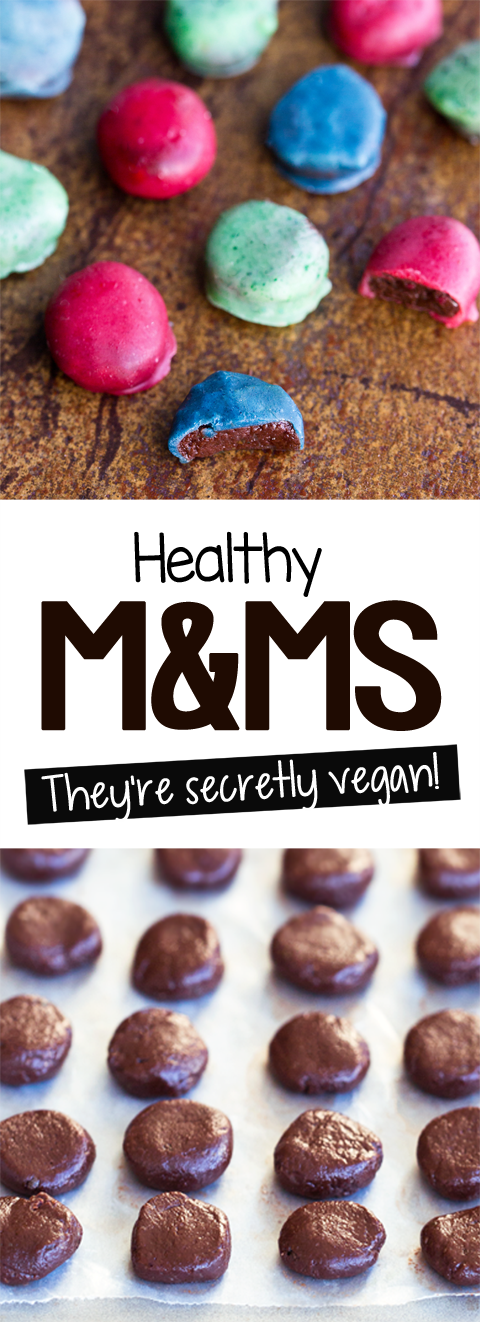
You can make bite-size, colorful chocolate pieces in under 30 minutes. These are simple, budget-friendly, and easy to portion.
Homemade quinoa crunch buttons
- Melt 1 cup dark chocolate chips (70% cocoa) in a microwave-safe bowl, stirring every 20 seconds.
- Fold in 1 cup puffed quinoa or crisped rice.
- Spoon pea-size drops onto a parchment-lined sheet.
- Dust with freeze-dried raspberry powder for a pink look, or turmeric for yellow.
- Chill 15 minutes. Store cold for best snap.
Sunflower seed chocolate pebbles
- Toast 1 cup sunflower seeds in a dry pan until fragrant.
- Melt 1 cup dark chocolate. Stir in seeds with a pinch of sea salt.
- Drop tiny mounds on a tray. Add a few rainbow sprinkles made with plant colors.
- Chill and portion into 2-tablespoon snack cups.
Frozen yogurt blueberry bites
- Dip fresh blueberries into Greek yogurt mixed with a touch of honey and vanilla.
- Place on a tray and freeze 30 minutes.
- Dust with cocoa or strawberry powder. Eat from frozen for a candy-like pop.
Coach’s tip: For party vibes, drizzle white chocolate tinted with matcha, beet powder, or blueberry powder in thin lines. You keep color and fun without artificial dyes, while staying close to a healthy m&m alternative feel.
Nutrition deep dive: how alternatives compare
Here is how a healthy m&m alternative usually differs from the classic:
- Sugar. Many options cut sugar or use allulose or monk fruit for fewer net carbs.
- Fiber. Dark chocolate, nuts, and seeds add fiber that helps slow a sugar spike.
- Protein. Nut and seed bases can add 3 to 6 grams per serving.
- Fats. Cocoa butter and nut fats are more favorable than processed oils.
- Colors. Plant-based pigments avoid synthetic dyes that some people prefer to limit.
Research on cocoa shows benefits for vascular function and mood in moderate amounts. That does not make candy a superfood, but it supports choosing better chocolate as your treat base. If you manage blood sugar, pair your healthy m&m alternative with protein, like plain yogurt or a handful of nuts.

How to choose the right healthy m&m alternative for your goals
Make the choice fit your plan. Use this quick guide.
- For kids and parties. Unreal or Little Secrets for closest flavor match and bright colors from plants.
- For keto or low-carb. ChocZero or Lakanto for reduced sugar; watch your personal tolerance to sugar alcohols.
- For vegan or dairy-free. No Whey Foods Choco No No’s or YumEarth Choco Yums.
- For nut-free schools. YumEarth Choco Yums or sunflower seed chocolate pebbles at home.
- For athletes. Dark chocolate almond or quinoa crunch buttons give fast carbs with some fiber and fat for steady energy.
Personal note: When I coach families, we ease in with a half-and-half mix of the classic and a healthy m&m alternative for one week. By week two, the swap is complete with almost no pushback.
Taste, texture, and snack hacks
Small tweaks make swaps feel just as fun.
- Mix and match. Blend dark chocolate gems with pretzel pieces for a sweet-salty hit.
- Chill for snap. A short fridge rest sharpens the candy shell crunch.
- Portion smart. Use mini containers or silicone cups to cap servings at about 120 to 180 calories.
- Color flair. Dust with fruit powders for a bright look without artificial colors.
- Bake with care. Add gems at the end of cookie baking to keep color bright and shells intact.
If you want a movie-night mix that satisfies, try 2 parts popcorn, 1 part roasted almonds, and 1 part healthy m&m alternative. It feels indulgent, but the macros are balanced.
Cost, sourcing, and sustainability
Better chocolate often costs more. You can still be smart about price.
- Buy larger bags. Price per ounce drops when you buy in bulk.
- Watch sales. Many natural brands run monthly promotions.
- Choose fair trade when you can. It supports farmers and often correlates with higher cocoa quality.
- DIY for savings. Homemade quinoa or sunflower drops cut the price in half in my tests.
From an eco view, look for certifications like fair trade and rainforest-friendly farming. While labels are not perfect, they are a practical step toward better sourcing along with your healthy m&m alternative choice.
Safety, allergens, and label reading
Allergen handling matters. Some factories process milk, nuts, or soy on shared lines.
- Check the “contains” and “may contain” notes. Allergy families should stick to dedicated facilities.
- Scan sweeteners. Allulose is often gentler than large doses of erythritol for some people.
- Keep servings modest. Even a healthy m&m alternative is still candy and best enjoyed in small amounts.
If a new sweetener upsets your stomach, start with a small serving and see how you feel. Your response is the best guide.
Frequently Asked Questions of healthy m&m alternative
What is the healthiest m&m alternative?
Look for dark chocolate options with natural colors and less sugar. Brands using monk fruit or allulose can fit low-carb plans without losing the crunch.
Are natural food colors safe?
Plant-based colors from beet, spirulina, annatto, and turmeric are widely used and well tolerated. They also avoid synthetic dyes that some people choose to limit.
Can I use a healthy m&m alternative for baking?
Yes, but add them near the end of baking to protect color and shell snap. You can also fold them into no-bake bars or trail mix.
Is there a keto-friendly healthy m&m alternative?
Yes. Options sweetened with monk fruit or allulose, like certain chocolate gems, work for keto. Check net carbs and keep portions tight.
What if I have a dairy allergy?
Choose vegan candy pieces from dedicated dairy-free facilities. Always check “may contain milk” warnings on the label.
Will kids like the taste as much as classic candy?
Most kids adapt in one to two weeks if you switch gradually. Start by mixing in 25% of the alternative and increase over time.
How much is a reasonable serving?
Aim for about 1 ounce or a small handful. Pair with protein or fiber to keep energy steady.
Conclusion
You do not need to give up color, crunch, or joy to snack smarter. With the right healthy m&m alternative, you keep the fun and gain better ingredients, steady energy, and options that fit your goals.
Try one store-bought pick this week or make a quick batch of quinoa crunch buttons, and notice how much easier mindful snacking can feel.
If this guide helped, share it with a friend, subscribe for more practical swaps, or drop your favorite healthy m&m alternative in the comments so we can taste-test it next.