

Extra virgin olive oil, avocado oil, and ghee are smarter, stable swaps.
If you want a healthy alternative to vegetable oil, you are in the right place. I’ve tested these oils over years in home and pro kitchens
I’ll show what to use, when to use it, and why it works. You will learn the best swaps, how to cook with them, and mistakes to avoid.
Why consider a healthy alternative to vegetable oil?
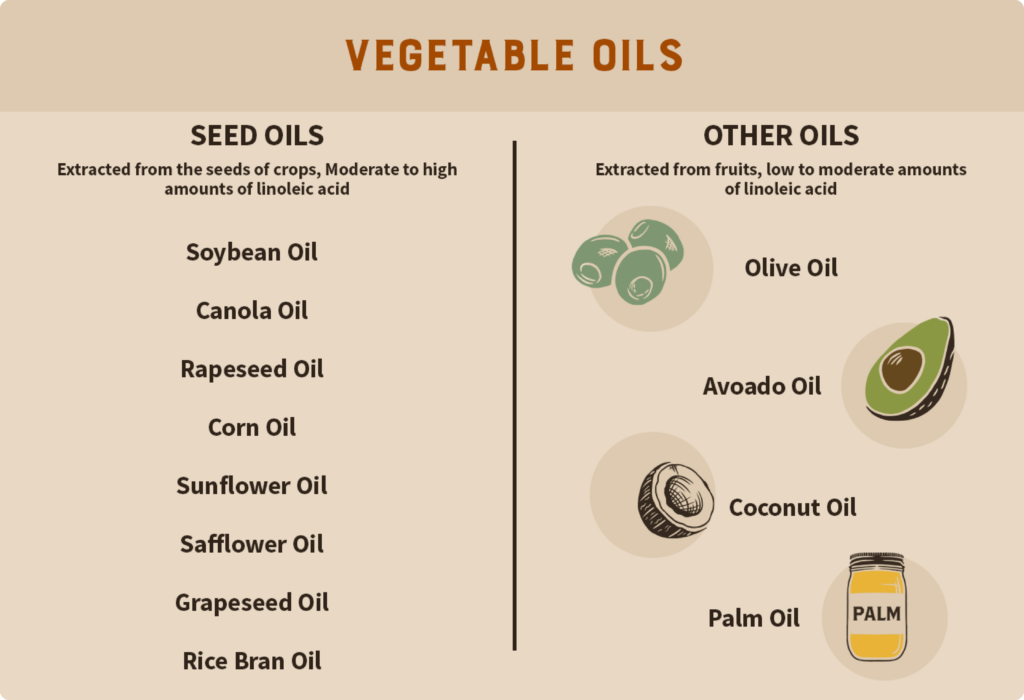
Most vegetable oils are refined at high heat. They may use solvents and heavy filtering. This process strips flavor and helpful plant compounds. It can also leave oil prone to oxidation when heated.
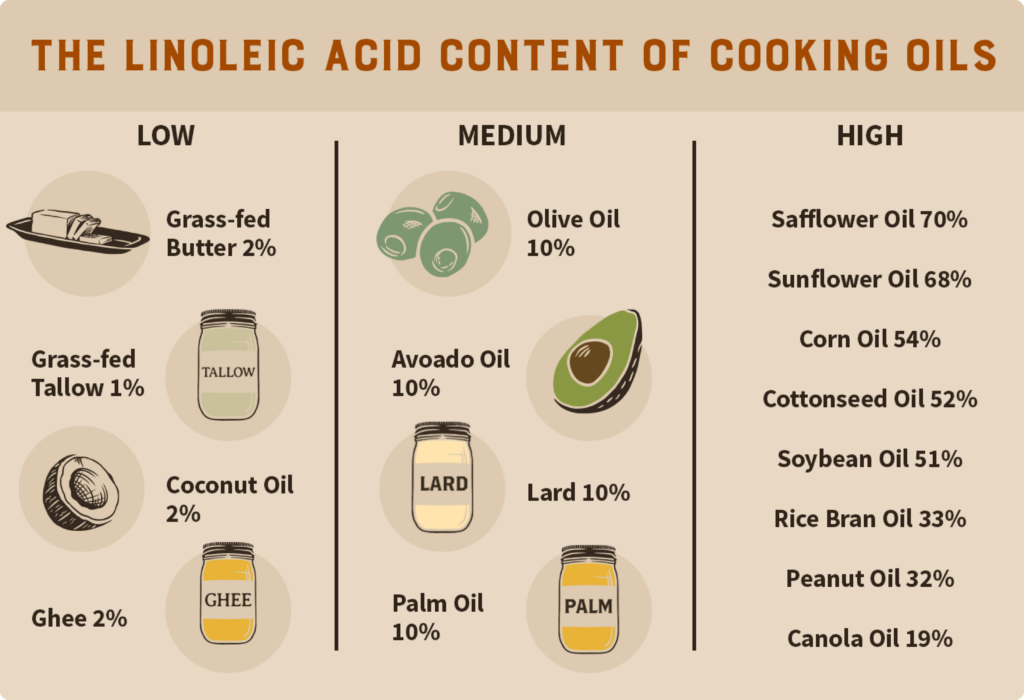
Many blends are high in omega-6 fats. We need omega-6, but many diets get too much. That can push out omega-3s. A healthy alternative to vegetable oil can help balance this pattern.
Better oils bring more than heat stability. They add antioxidants and rich taste. Research links extra virgin olive oil to heart and brain benefits. It is robust in the pan and bright in dressings. This makes it a strong healthy alternative to vegetable oil for daily use.
A healthy alternative to vegetable oil is also about fit. Match the oil to the job. Then you get better flavor, cleaner pans, and less smoke.
Top healthy alternatives to vegetable oil
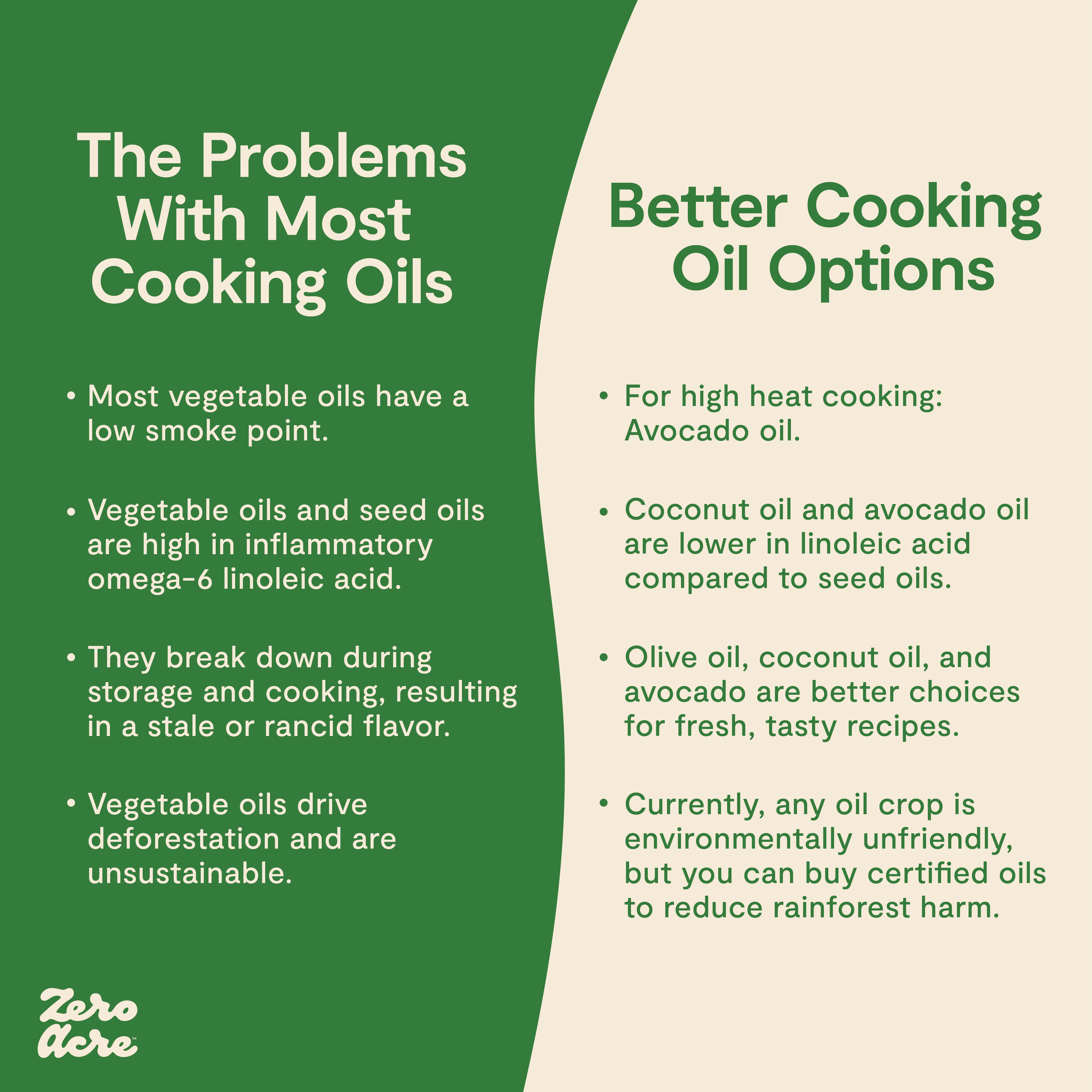
Below are the best picks I reach for first. Each one is a proven healthy alternative to vegetable oil for real kitchens.
Extra virgin olive oil (EVOO)
Best for: sautéing, roasting, dressings, marinades
- Why it works: High in monounsaturated fat and antioxidants. Stable in normal cooking.
- Flavor: Peppery to fruity. It lifts simple food.
- Tip: Use robust EVOO for cooking. Use a milder one for baking or delicate fish.
- Healthy alternative to vegetable oil note: It is my daily default for most meals.
Avocado oil
Best for: high-heat searing, grilling, roasting
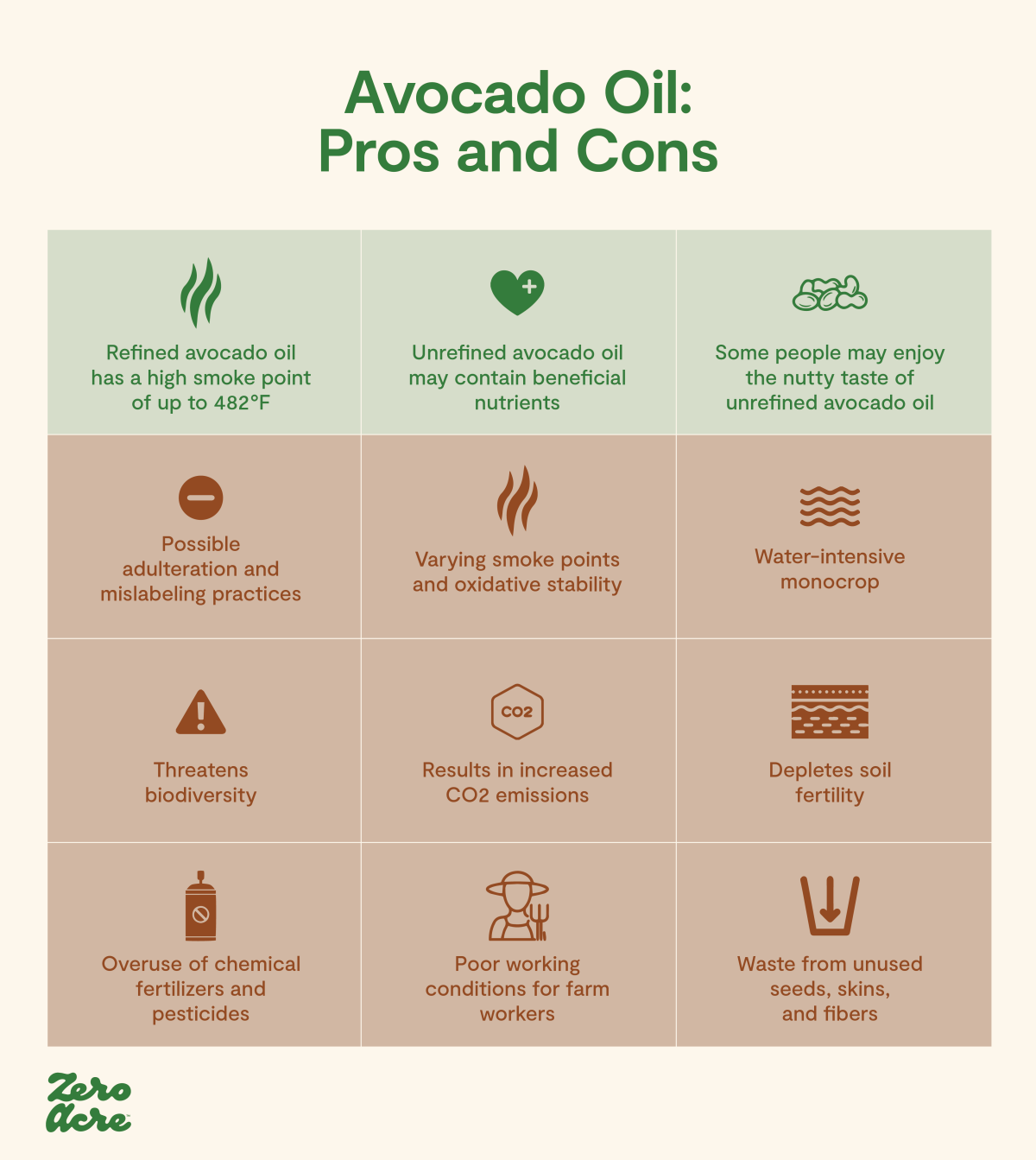
- Why it works: High smoke point when refined. Mostly monounsaturated fat.
- Flavor: Very neutral. Great when you want the food to shine.
- Tip: Choose brands that test for purity. Keep sealed to protect from light.
- Healthy alternative to vegetable oil note: Ideal for stir-fries and steaks.
Ghee (clarified butter)
Best for: eggs, sautéing, Indian dishes, pan sauces
- Why it works: Milk solids removed, so less burning. High smoke point.
- Flavor: Deep, nutty, buttery.
- Tip: A little goes a long way. Store at room temp or in the fridge.
- Healthy alternative to vegetable oil note: Great for crisp edges on potatoes.
Coconut oil
Best for: baking, curries, popcorn, light sauté
- Why it works: Stable saturated fats. Pleasant aroma in sweet and savory dishes.
- Flavor: Light coconut in virgin. Very neutral if refined.
- Tip: Use refined for high heat and when you want no coconut taste.
- Healthy alternative to vegetable oil note: Works well in dairy-free baking.
Macadamia oil
Best for: dressings, roasting, pan-frying fish
- Why it works: High in heat-stable monounsaturated fat. Clean taste.
- Flavor: Mild, slightly buttery.
- Tip: Good for those who want a neutral yet premium oil.
- Healthy alternative to vegetable oil note: Versatile, but often pricier.
High-oleic sunflower or safflower oil
Best for: high-heat cooking when you want a neutral oil
- Why it works: Bred for more monounsaturated fat. More stable than standard versions.
- Flavor: Very neutral.
- Tip: Look for “high-oleic” on the label.
- Healthy alternative to vegetable oil note: A smart swap when you need volume.
Animal fats (beef tallow, duck fat)
Best for: roasting potatoes, searing, confit
- Why it works: Very stable at heat. Rich flavor and great browning.
- Flavor: Savory depth.
- Tip: Use in moderation. Choose quality sources.
- Healthy alternative to vegetable oil note: Use for special dishes, not daily.
Walnut, flaxseed, and sesame oils (for cold use)
Best for: dressings, drizzles, finishing
- Why it works: Add omega-3s (flax) and bold flavor (walnut, sesame).
- Flavor: Strong and aromatic.
- Tip: Do not heat flax. Keep all these in the fridge.
- Healthy alternative to vegetable oil note: Perfect as a final touch.
How to choose the right oil for your cooking style?
Use this simple map to pick a healthy alternative to vegetable oil that fits the job.
- For everyday stovetop sauté: Extra virgin olive oil.
- For high-heat sear or grill: Avocado oil or high-oleic sunflower oil.
- For eggs and golden crusts: Ghee.
- For neutral baking: Avocado oil or refined coconut oil.
- For salads and dips: Extra virgin olive oil or macadamia oil.
- For bold finish: Toasted sesame, walnut, or a flax blend (no heat).
One more rule: if you see smoke, reduce heat or change oils. A healthy alternative to vegetable oil still needs care in the pan.
Healthy baking swaps that work
Baking is where many people still use vegetable oil. Here is how to make a healthy alternative to vegetable oil work in batters and doughs.
- Olive oil in savory bakes: Use equal amounts in focaccia, quick breads, and veggie cakes.
- Avocado oil in sweets: Use one-to-one in muffins, brownies, and loaf cakes.
- Melted butter or ghee: Swap one-to-one for rich crumb and aroma.
- Applesauce or yogurt: Replace half the oil with the same amount for lighter cakes.
- Refined coconut oil: Use one-to-one when you want a neutral taste and firm crumb.
Test a small batch first. I do this with new recipes. It helps you tune flavor and texture. A healthy alternative to vegetable oil often gives better moisture and taste.

Storage, buying, and safety tips
Good storage keeps your healthy alternative to vegetable oil fresh and safe.
- Buy dark glass or tins. Light harms oil.
- Keep caps tight. Store away from heat and the stove.
- Choose smaller bottles if you cook rarely.
- Check harvest or best-by dates on olive oil.
- Refrigerate nut and seed oils. They spoil fast.
- Smell and taste your oil. If it is sharp or paint-like, discard.
For trust, look for purity tests, lot codes, and clear origin. This is part of a reliable healthy alternative to vegetable oil plan.
Budget and pantry planning
You do not need a shelf full of bottles. Keep a simple setup for a cost-smart healthy alternative to vegetable oil plan.
- Two-oil core: Extra virgin olive oil for most tasks. Avocado oil for high heat.
- One flavor finisher: A small bottle of toasted sesame or walnut.
- One rich fat: Ghee for eggs and special roasts.
- Buy on sale. Store backups in a cool, dark space.
- Private labels can be great. Test a small bottle first.
This mix covers almost all recipes with less waste and cost.
Real-world swaps and personal lessons
In my kitchen, EVOO replaced generic vegetable oil in almost all sautés. Veg got sweeter and more crisp. Pans cleaned easier with less smoke. This simple change is a strong healthy alternative to vegetable oil.
For steak night, I use avocado oil for the first sear. I finish with a spoon of ghee for aroma. It gives a deep crust with no burnt notes. That is a practical healthy alternative to vegetable oil in action.
For popcorn, refined coconut oil beats vegetable oil by a mile. Kernels pop fast and stay crisp. In muffins, I swap half the oil with yogurt. The crumb stays moist with less fat. These swaps all count as a healthy alternative to vegetable oil that you can taste.
Mistakes I learned to avoid:
- Do not fry with flax or walnut oil.
- Do not use a bold, bitter EVOO in delicate cakes.
- Do not heat oil past its smoke point.
- Do not store oil near the oven or window.
- Always test a new brand before you buy big.

Frequently Asked Questions of healthy alternative to vegetable oil
What is the best healthy alternative to vegetable oil for daily cooking?
Extra virgin olive oil is my top pick for daily use. It is stable, tasty, and backed by strong research.
Which oil is best for high-heat cooking?
Avocado oil or high-oleic sunflower oil work well for high heat. They are neutral and hold up to searing and stir-fry.
Can I bake with olive oil instead of vegetable oil?
Yes, you can swap one-to-one in most recipes. Use a mild olive oil for sweets to keep flavors balanced.
Is coconut oil a healthy alternative to vegetable oil?
It can be, especially in baking and light sauté. Choose refined for neutral taste and use it in moderate amounts.
Are animal fats better than vegetable oil?
They are very stable for heat and add rich flavor. Use in moderation and choose quality sources.
How do I store oils to keep them fresh?
Keep them in dark bottles, sealed tight, and away from heat. Refrigerate nut and seed oils.
Will switching oils improve heart health?
Diet patterns matter most, but better oils help. Extra virgin olive oil is linked to heart benefits in large studies.
What if my oil smokes in the pan?
Lower the heat or switch to a higher-heat oil like avocado. Smoking means the oil is breaking down.
Conclusion
You do not need to overhaul your pantry to eat better. Start with one healthy alternative to vegetable oil, like extra virgin olive oil for daily cooking. Add avocado oil for high heat, and ghee for flavor. Store them well, match oil to the task, and taste the difference.
Make one swap this week in a meal you cook often. If it works, keep it. If not, try the next option. Ready for more smart kitchen upgrades? Subscribe, share your results, or ask a question and I’ll help you fine-tune your plan.