

Extra virgin olive oil, avocado, Greek yogurt, and nut butters are top picks.
Choosing a healthy alternative to butter can protect your heart, lower LDL cholesterol, and still deliver great taste. I have tested these swaps in home kitchens and professional menus.
In this guide, you will learn when to use each option, how to swap with confidence, and how a healthy alternative to butter fits your goals without losing flavor.

What makes a healthy alternative to butter?
Butter is rich in saturated fat. That can raise LDL cholesterol when eaten in excess. A healthy alternative to butter should lower saturated fat and add unsaturated fats, fiber, or protein.
Look for options with more monounsaturated and polyunsaturated fats. These support heart health when they replace saturated fat. Avoid trans fats. Aim for real foods with minimal additives.
Think about use. Spreads need body. Baking needs moisture and structure. Cooking needs the right smoke point. The right healthy alternative to butter depends on the job.
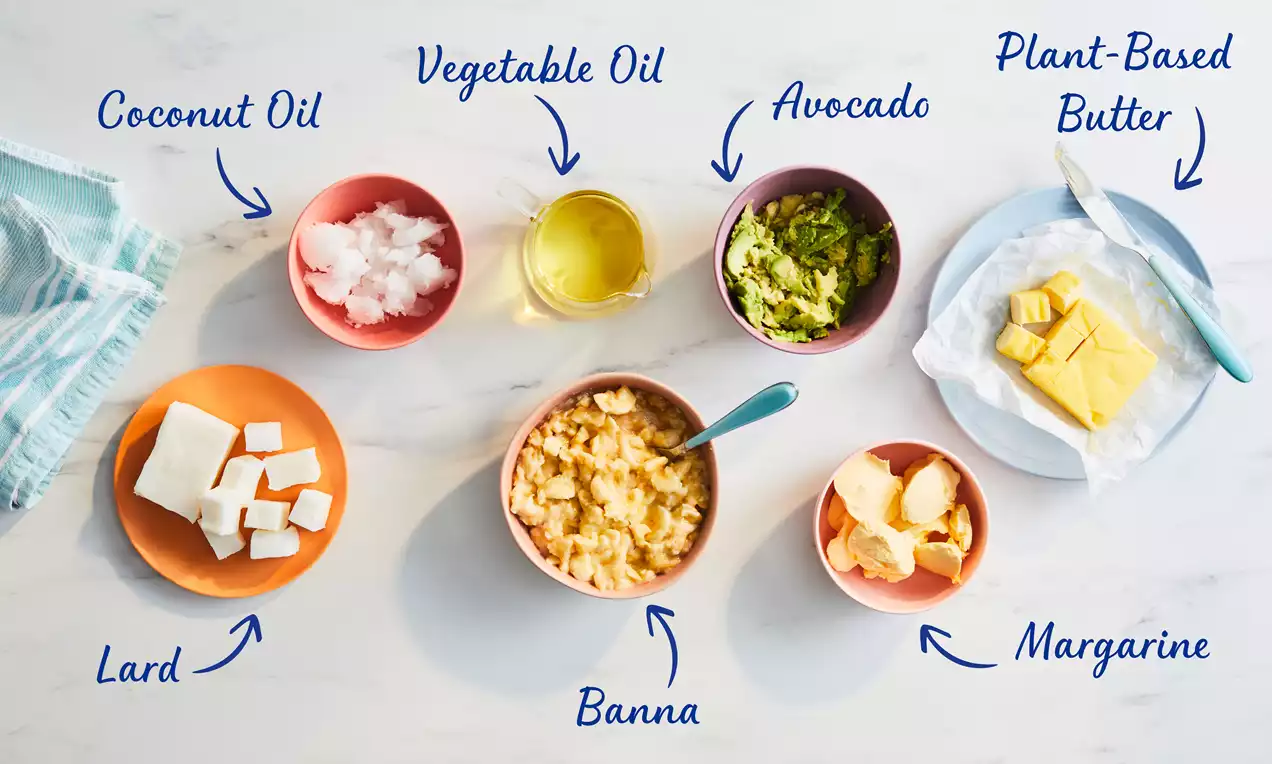
The best healthy alternative to butter and when to use each one
Here are the top choices I use at home and with clients. Each is a practical healthy alternative to butter with clear use cases.
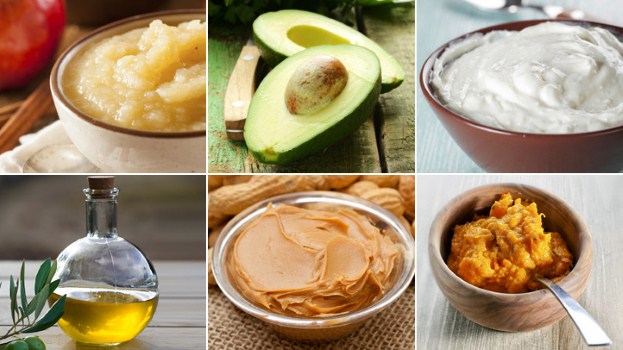
- Extra virgin olive oil. Best for sautéing, roasting, salad dressings, and some baking. Rich in polyphenols and monounsaturated fat. Use for low to medium heat, or in cakes and quick breads.
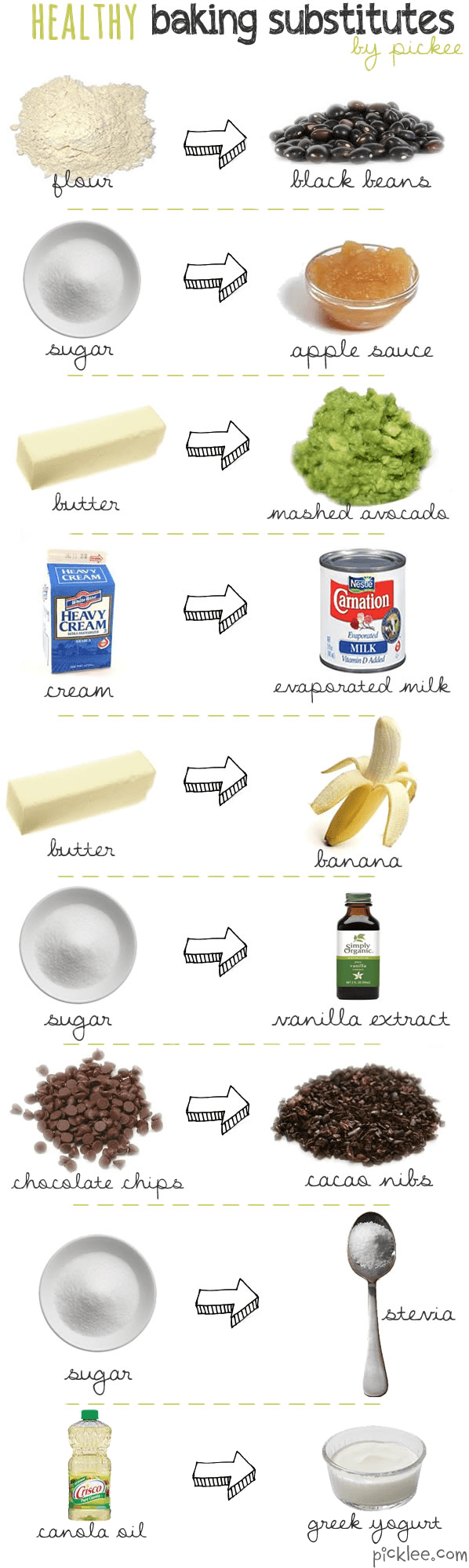
- Avocado. Great for toast, sandwiches, smoothies, and brownies. It gives creaminess and fiber. Mash with a pinch of salt and lemon.
- Greek yogurt. Works in muffins, cakes, sauces, and mashed potatoes. Adds protein and tang. Use plain, unsweetened yogurt for best control.
- Nut and seed butters. Almond, peanut, cashew, tahini, or sunflower. Perfect for cookies, sauces, and spreads. Choose jars with only nuts and maybe salt.
- Cottage cheese or ricotta. Whip until smooth for a spread or frosting base. Use in pancakes or quick breads. Pick lower sodium options.
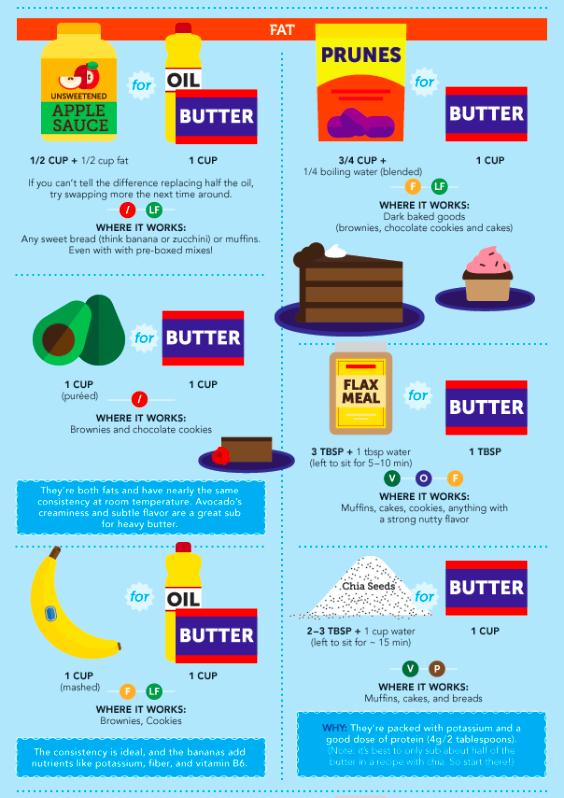
- Applesauce or ripe banana. Ideal for sweet baking. Replaces butter to cut fat and add moisture. Choose unsweetened apple sauce.
- Silken tofu. Blends into creamy sauces or frostings. Neutral taste and high protein. Great in vegan desserts.
- Plant oil spreads. Choose ones made from olive, canola, or high oleic sunflower oil. Avoid products based on palm or coconut oil as the first ingredient.
- Ghee. Clarified butter with almost no lactose. It has a high smoke point. Use small amounts, since saturated fat is still high.
- Coconut oil. Useful in vegan baking and for firm texture. Very high in saturated fat, so use sparingly.
Each of these can be a healthy alternative to butter when used with intent. Match the choice to your recipe and health goals.
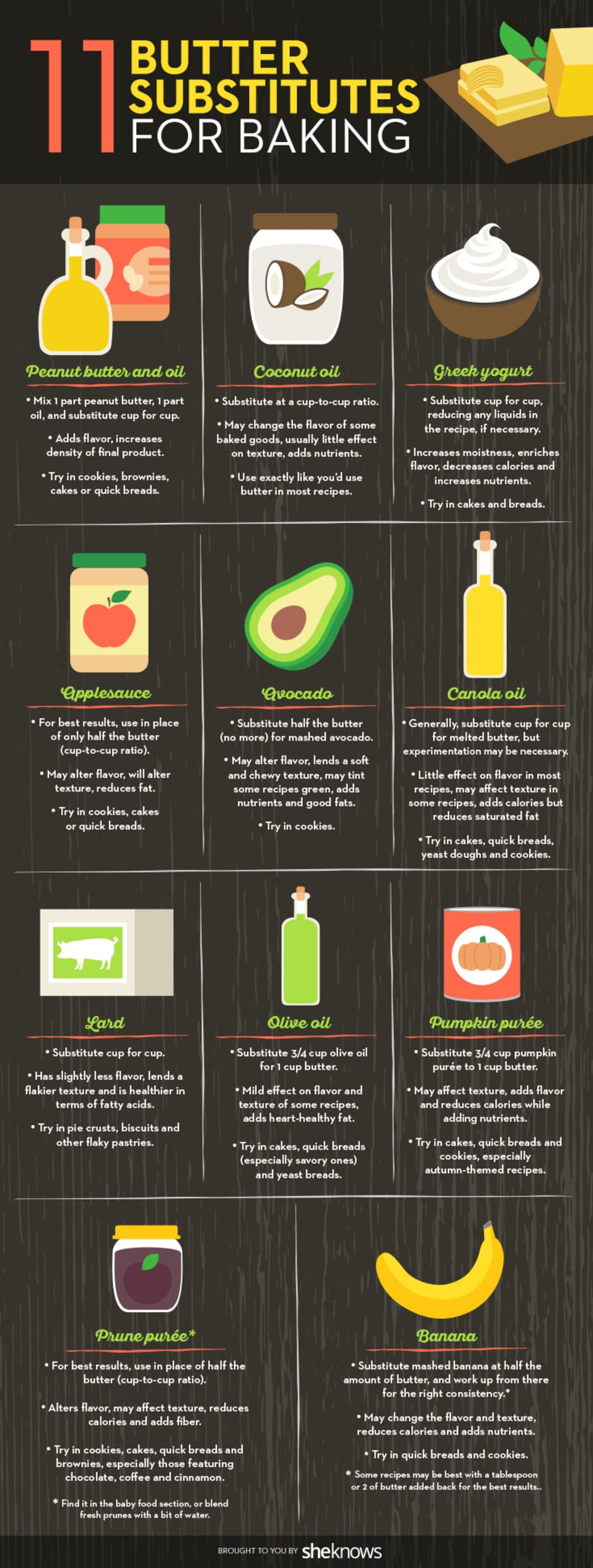
Exact swap ratios and easy techniques
Baking and cooking success comes down to ratios and method. Use these tested swaps when you need a healthy alternative to butter.
- Olive oil in baking. Use 3 parts oil for 4 parts butter by volume. For 1 cup butter, use 3/4 cup oil.
- Applesauce or banana. Replace up to half the butter 1:1 by volume. Keep at least some fat to protect texture.
- Greek yogurt. Replace half the butter 1:1 by volume. For the rest, use oil or a plant spread.
- Nut butter. Replace up to one third of the butter 1:1 in cookies or bars. Add a splash of milk if the dough is too stiff.
- Silken tofu. Replace half the butter in cakes 1:1 after blending smooth. Add 1 tablespoon oil for each 1/2 cup tofu to improve crumb.
Helpful technique tips:
- Chill cookie dough if using oil. This helps prevent spread.
- Add an emulsifier if needed. An egg yolk or a teaspoon of soy lecithin improves structure.
- Watch heat. Use avocado oil or ghee for high heat. Use extra virgin olive oil for low to medium heat.
- Adjust spices and salt. Butter adds flavor. Boost herbs, citrus zest, or vanilla to keep taste bright.
Source: carsontahoe.com
What the research says about health?
Replacing saturated fat with unsaturated fat lowers LDL cholesterol. That supports heart health over time. Diets rich in olive oil and nuts are linked with better cardiovascular outcomes.
Olive oil provides monounsaturated fat and bioactive compounds. Nut and seed butters add unsaturated fats, minerals, and plant protein. Yogurt adds protein and live cultures that can support gut health.
Butter and ghee are energy dense and high in saturated fat. They can fit in small amounts for flavor. If heart risk is a concern, a healthy alternative to butter is a safer daily choice.
Quick reference values per tablespoon:
- Butter. About 100 calories and 7 grams saturated fat.
- Extra virgin olive oil. About 119 calories and 2 grams saturated fat.
- Almond butter. About 98 calories and 1 gram saturated fat, with more unsaturated fat.
Portion size still matters. Oils and spreads are calorie dense. Use measured amounts and enjoy the flavor mindfully. If you have high LDL, speak with your clinician before major diet changes.
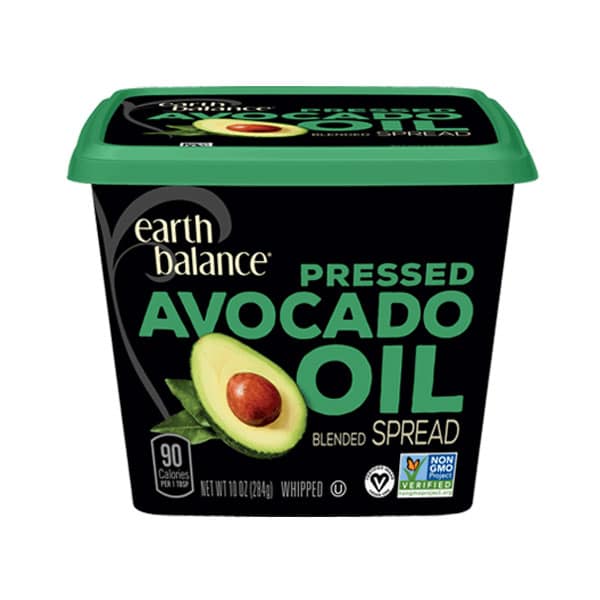
Smart shopping and label tips
Choosing the right jar or bottle makes your healthy alternative to butter work harder for you.
- Olive oil. Choose extra virgin in dark glass. Look for a harvest date and a fresh smell and taste.
- Plant spreads. Pick brands with olive, canola, or high oleic sunflower as first ingredients. Aim for low saturated fat per serving.
- Nut and seed butters. Look for only nuts or seeds and salt. Skip added sugar and palm oil.
- Yogurt. Choose plain, unsweetened options. Add fruit or honey at home if you want sweetness.
- Avocado. Choose fruit that gives slightly to gentle pressure. Store ripe avocados in the fridge.
Read the nutrition facts panel. Compare saturated fat and sodium. A strong label helps you pick a healthy alternative to butter with confidence.
Practical meal ideas using a healthy alternative to butter
Here are simple ways to use a healthy alternative to butter in daily meals.
- Breakfast. Avocado on whole grain toast with lemon and chili. Greek yogurt with berries and walnuts. Oatmeal finished with a teaspoon of almond butter.
- Lunch. Chickpea salad with olive oil, lemon, and herbs. Cottage cheese whipped with pepper on sourdough, topped with tomatoes. Hummus as a spread in wraps.
- Dinner. Roasted vegetables tossed with extra virgin olive oil. Mashed potatoes with half Greek yogurt and half olive oil. Salmon brushed with tahini and garlic.
- Baking. Banana bread with half applesauce instead of butter. Olive oil citrus cake with zest and vanilla. Brownies with mashed avocado for a fudgy bite.
These ideas keep flavor first. Each swap is a healthy alternative to butter that fits real life.
Common mistakes to avoid
Even a healthy alternative to butter can miss the mark if used poorly. Avoid these common pitfalls.
- Using coconut oil as your main fat. It is high in saturated fat. Save it for rare treats.
- Removing all fat in baking. Texture will suffer. Keep some oil or nut butter in the mix.
- Using the wrong fat for heat. Extra virgin olive oil is best for medium heat and finishing. Use avocado oil or ghee for high heat searing.
- Ignoring sodium and sugar. Some spreads and nut butters add both. Read labels to stay on track.
- Skipping flavor balance. Add herbs, citrus, or spices to replace the flavor notes of butter.
These small fixes help every healthy alternative to butter perform better.
:max_bytes(150000):strip_icc()/SPR_1001575-best-butter-substitutes-5aea1e6d3418c60037ce5677.png)
My field notes: lessons from real kitchens
I have made side by side tests with cookies, cakes, and veggies. Olive oil cookies spread more, but chilling the dough gave a tender, crisp edge. Friends never missed the butter.
Brownies with avocado came out rich and fudgy. The key was ripe fruit and good cocoa. A pinch of espresso powder boosted the chocolate.
Biscuits with half Greek yogurt and half olive oil were flaky and light. They needed a short rest before baking. That let the dough hydrate and rise well.
The biggest lesson is simple. Pick the right healthy alternative to butter for the job, and adjust a few small steps. Flavor stays strong, and texture stays true.
Frequently Asked Questions of healthy alternative to butter
What is the single healthiest alternative to butter for heart health?
Extra virgin olive oil is a top choice. It is rich in monounsaturated fat and proven in heart-friendly eating patterns.
Can I use olive oil instead of butter in baking?
Yes, in many cakes and quick breads. Use 3/4 cup oil for each cup of butter and do not overmix.
Are plant-based margarines a healthy alternative to butter?
Some are, if made from olive, canola, or high oleic oils and low in saturated fat. Check labels and avoid added hydrogenated oils.
Is ghee a healthy alternative to butter?
Ghee is lactose free and good for high heat. It still has lots of saturated fat, so use small amounts.
What is the best healthy alternative to butter for toast?
Mashed avocado or nut butter are great. They add healthy fats, fiber, and flavor.
Can I swap all butter for applesauce in baking?
You can replace up to half without hurting texture. Keep some fat for structure and taste.
Is Greek yogurt a good swap in savory dishes?
Yes. Use it in mashed potatoes, creamy sauces, and dips for protein and tang.
Conclusion
Butter has its place, but you have many better daily options. A healthy alternative to butter can improve heart health, keep flavor high, and fit into any kitchen routine.
Start with extra virgin olive oil, avocado, Greek yogurt, and nut butters, and match each to the task.
Pick one swap this week and try it in a recipe you love. Keep notes, adjust, and make it your new normal. If this guide helped, subscribe for more practical nutrition tips or share your favorite swap in the comments.