

Top picks include soy, oat, almond, pea, coconut, and lactose-free options.
If you are looking for healthy alternatives to milk, you are in the right place. I test plant-based drinks in real kitchens, with real budgets, and with real taste tests.
This guide breaks down healthy alternatives to milk with clear facts, simple tips, and honest advice so you can choose with confidence.
What Are Healthy Alternatives to Milk?
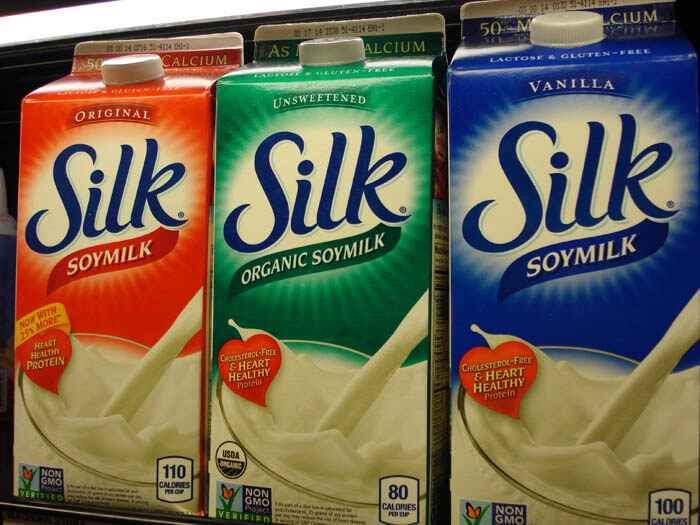
Healthy alternatives to milk are drinks that replace dairy in your day. They can come from plants, like soy or oats, or be lactose-free dairy made for easy digestion. Many are fortified with calcium and vitamin D to support bone health.
Common choices include soy milk, oat milk, almond milk, pea milk, coconut milk, rice milk, hemp milk, and lactose-free cow’s milk. Some options are high in protein. Others are light and low in calories. The best pick depends on your goals and your taste.
People switch for many reasons. Some want relief from lactose issues. Others want less saturated fat, a lighter footprint, or a new flavor. Healthy alternatives to milk can fit any lifestyle with a little know-how.
Nutrition Snapshot of Popular Milk Alternatives
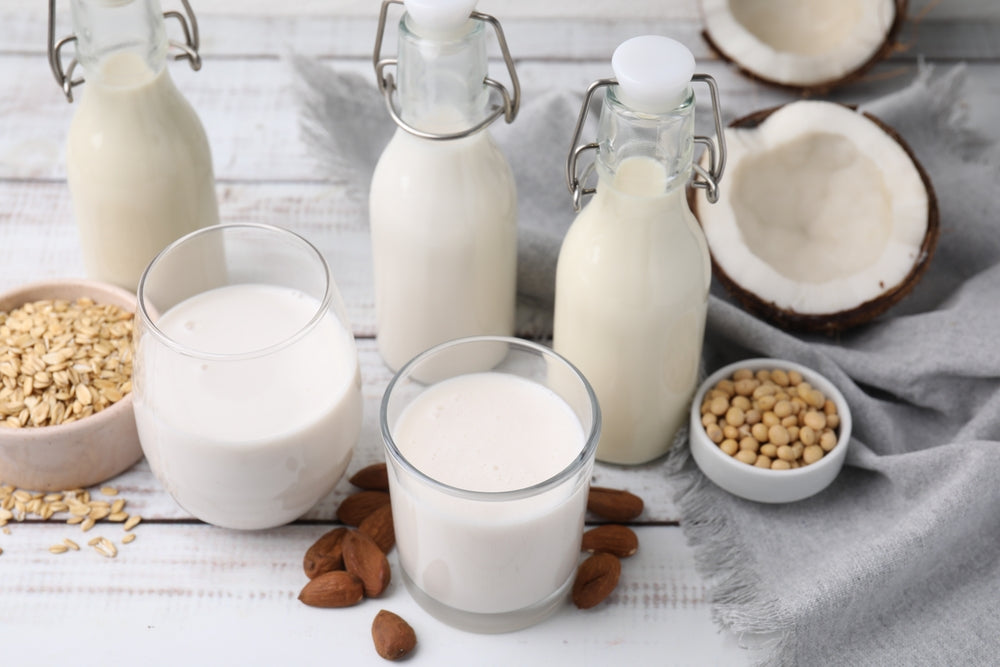
Not all milk swaps are the same. Read labels and compare unsweetened versions first. Many healthy alternatives to milk are fortified, which can cover calcium and vitamin D needs.
Here is a quick guide per cup, based on common unsweetened products:
- Soy milk: About 80 calories, 6 to 8 grams protein, low saturated fat. Often fortified with calcium, vitamin D, and B12.
- Oat milk: About 90 to 130 calories, 2 to 4 grams protein, creamy texture. Watch for added oils and sugar.
- Almond milk: About 30 to 50 calories, 1 gram protein, very light. Fortified options can provide calcium and vitamin D.
- Pea milk: About 80 to 100 calories, 7 to 10 grams protein, smooth and neutral. Often fortified and good for coffee.
- Coconut milk (drink carton): About 40 to 60 calories, almost no protein, richer mouthfeel. Higher in saturated fat than many options.
- Rice milk: About 110 to 130 calories, 1 gram protein, thin texture. Higher natural carbs and not ideal for low-carb diets.
- Hemp milk: About 60 to 90 calories, 2 to 4 grams protein, mild nutty note. Has omega-3 and omega-6 fats.
Fortification matters. Many products offer about 20 to 45 percent of the daily value for calcium and vitamin D per cup. Studies show that protein from soy and pea supports fullness and may help with muscle repair after workouts.

How to Choose the Best Option for Your Needs?
Match your pick to your health goals. Healthy alternatives to milk can boost protein, cut sugar, or support bone health. Use this simple checklist.
- If you want more protein: Choose soy milk or pea milk. They match dairy milk best for protein.
- If you count calories: Choose unsweetened almond milk or light coconut blends.
- If you hate added sugar: Pick unsweetened versions and check for 0 grams added sugar.
- If you need strong bones: Choose fortified drinks with calcium and vitamin D. Aim for at least 20 percent DV per cup.
- If you have allergies: Avoid your trigger. For nut allergies, try oat, soy, pea, or rice. For soy allergies, choose oat, almond, or pea.
- If you love lattes: Use barista blends of oat, soy, or pea milk. They steam and foam well.
- If you cook a lot: Use unsweetened soy or oat for sauces and soups. They hold up to heat and taste neutral.
Healthy alternatives to milk should fit your life and your taste. Try two or three before you settle. A small change on the label can make a big change in your cup.
Health Benefits and Caveats
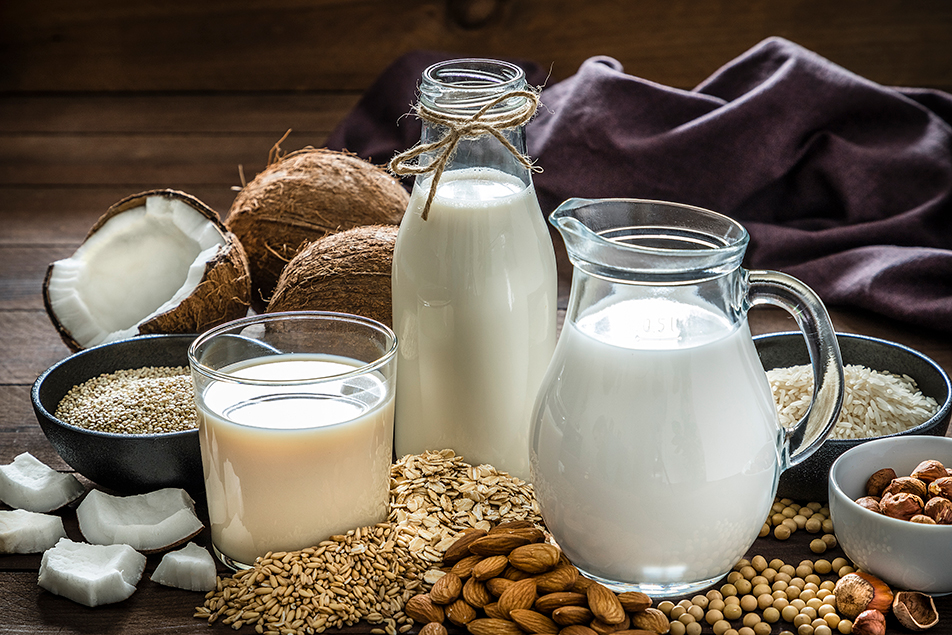
Healthy alternatives to milk can help people who feel bloated or gassy after dairy. Lactose-free options solve that issue fast. Plant-based drinks can also lower saturated fat, which may support heart health.
Evidence suggests soy protein can help lower LDL cholesterol a little when it replaces higher saturated fat foods. Pea milk offers a similar protein hit with a mild taste. Oat milk brings beta-glucan fiber, which can support healthy cholesterol levels.
Watch the fine print. Added sugar can creep into flavored drinks. Some products add oils for texture. Coconut drinks can be higher in saturated fat. If you have kidney issues, do not overdo calcium-fortified drinks without medical advice. When in doubt, speak with a dietitian.
My Real-World Tips and Mistakes to Avoid
Over the years, I tested healthy alternatives to milk in coffee bars, home kitchens, and meal plans. A few lessons stand out.
- Taste test cold and hot. Some options split in coffee, while barista blends stay smooth.
- Shake well. Fortified minerals can settle, and flavor can seem flat if you skip this step.
- Start unsweetened. Add fruit or a touch of honey if needed. It keeps sugar in your control.
- Buy small first. Brands vary a lot. A pint trial saves money and reduces waste.
- Do not swap one for one in baking without a test batch. Protein and fat levels change texture.
The biggest mistake I made was using sweetened oat milk in a savory sauce. It tasted like dessert. Now I keep one unsweetened carton on hand for cooking and a flavored one for treats.

Best Uses by Goal and Flavor
Coffee and Tea
For smooth foam and stable pour, use barista oat, soy, or pea milk. Warm it slowly to avoid splitting. Almond can work but may taste thin.
Smoothies
For more protein, use soy or pea milk. For a light base, use almond. For extra cream, use oat. Add chia or peanut butter if you want more body.
Baking
Use soy milk for tender cakes and muffins. It browns well and adds protein. Oat milk is great for pancakes. Almond milk is better for light batters.
Cooking and Sauces
Use unsweetened soy or oat in soups and curries. They hold texture when heated. Coconut milk adds richness to Thai and Indian dishes.
Cereal and Overnight Oats
Oat milk gives a creamy bowl. Almond milk keeps calories low. Pea milk offers more protein for long mornings.
Healthy alternatives to milk shine when you match them to the job. Keep two types at home to cover both taste and function.
Budget and Sustainability Guide
Price varies by brand and carton size. Shelf-stable cartons often cost less per cup. Store brands can be great, and many taste as good as big names.
For less waste, use shelf-stable packs for backup and keep one fresh carton for daily use. Homemade versions cut cost but lack fortification. You can make your own and rotate with a fortified pick to cover calcium and vitamin D.
Sustainability matters. Oat milk tends to have low water use and a small footprint. Soy and pea are efficient protein sources. Almond needs more water, often from dry regions.
Coconut grows far away and needs shipping. Dairy can have higher emissions but also offers strong protein. Healthy alternatives to milk let you shift your footprint without losing taste.
Simple DIY Recipes
Homemade can be fast, cheap, and tasty. Note that most homemade versions do not have added calcium or vitamin D.
Easy Oat Milk
- Blend 1 cup rolled oats with 4 cups cold water for 30 seconds.
- Strain through a fine mesh or nut milk bag.
- Add a pinch of salt and a drop of vanilla if you like.
- Tip: Use cold water and do not over-blend to avoid a slimy feel.
Quick Almond Milk
- Soak 1 cup raw almonds for 8 hours, then drain.
- Blend with 4 cups water for 60 seconds.
- Strain and season with a pinch of salt. Add a touch of maple if desired.
Creamy Cashew Milk
- Soak 1 cup cashews for 2 hours.
- Blend with 4 cups water until silky.
- No straining needed. Great in sauces and coffee.
DIY Soy Milk
- Soak 1 cup soybeans overnight. Drain.
- Blend with 5 cups water. Simmer 15 to 20 minutes, stirring.
- Strain and sweeten lightly if desired. Boiling improves taste.
Healthy alternatives to milk are easy to make. Keep a fortified store-bought option in rotation to cover key nutrients.
Frequently Asked Questions of healthy alternatives to milk
What is the healthiest milk alternative for protein?
Unsweetened soy and pea milk lead for protein, with about 7 to 10 grams per cup. They work well in coffee, smoothies, and baking.
Are plant-based milks good for kids?
They can be, but needs vary. Choose fortified options and speak with a pediatrician, especially for kids under two who have higher fat needs.
Do I need fortified milk alternatives?
Fortification helps cover calcium and vitamin D, which support bones. If you do not drink dairy, fortified healthy alternatives to milk are a smart choice.
Which milk alternative is best for lattes?
Barista oat, soy, and pea milks foam well and taste smooth. Warm them slowly and avoid boiling for best texture.
Are there low-carb milk alternatives?
Unsweetened almond, coconut, and some pea milks are low in carbs. Always check the label for added sugar.
Can milk alternatives cause allergies?
Yes, some can. Avoid your known allergens and try oat, rice, or pea if you have nut or soy allergies.
Is coconut milk healthy?
In drink form it is lower in protein but creamy. It is higher in saturated fat, so balance it with other picks.
Conclusion
Healthy alternatives to milk open many doors. You can boost protein, cut sugar, support your bones, and enjoy rich flavor. Match the drink to the job, pick fortified options when needed, and let your taste guide you.
Start simple this week. Buy one unsweetened carton and one barista blend. Test them in coffee, cereal, and a quick sauce. Share what worked for you and what did not, and subscribe for more smart kitchen guides.