

The best healthy alternative to all purpose flour depends on your recipe and health goals.
You want better nutrition without losing taste or texture. You’re in the right place. I have tested dozens of swaps in home kitchens and pro settings.
This guide breaks down each healthy alternative to all purpose flour with plain steps, real tips, and science you can trust. Read on to choose the right flour for bread, cakes, cookies, and more.
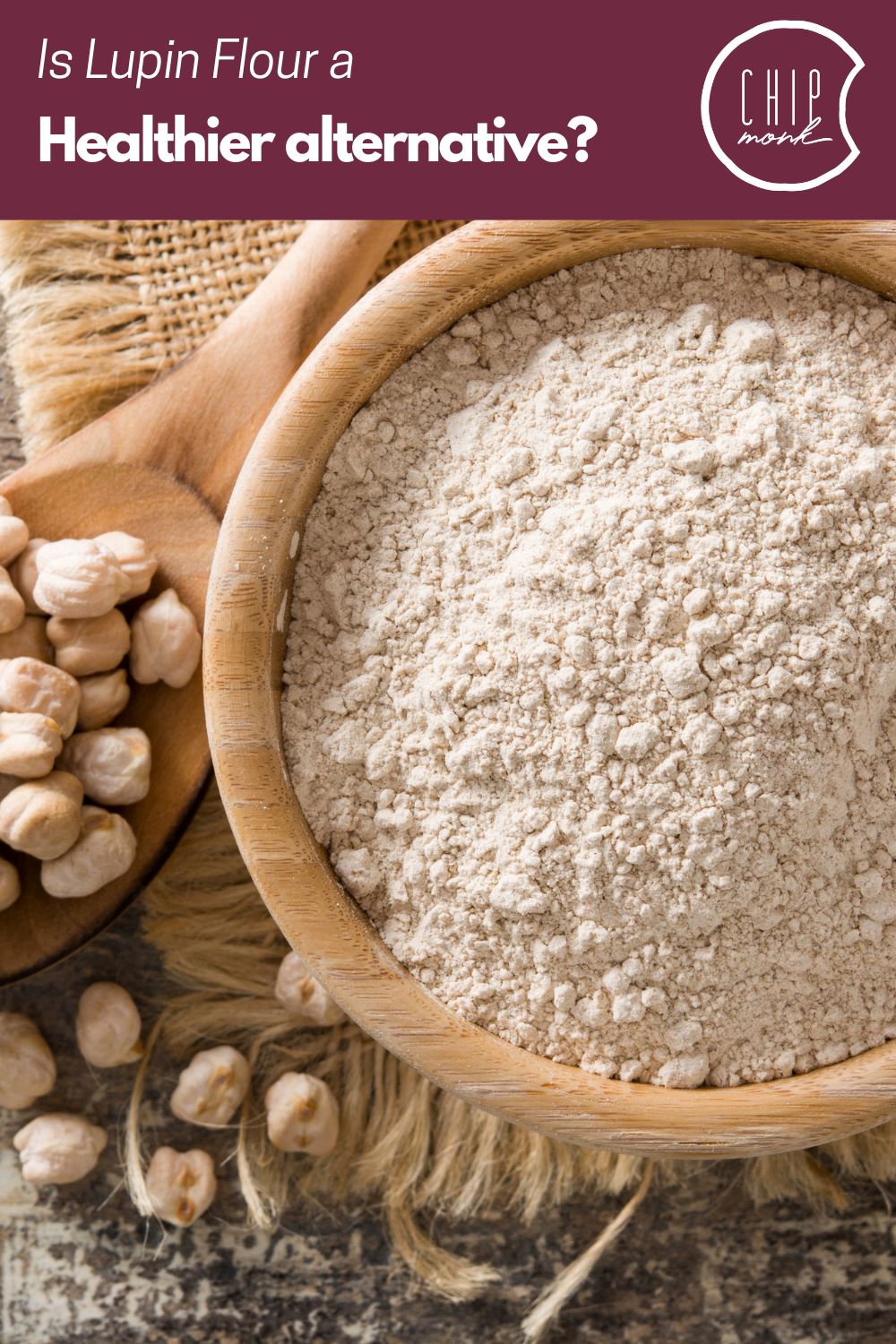
What Makes a Flour a Healthy Alternative?
Choosing a healthy alternative to all purpose flour starts with a few clear goals. You want more fiber, more protein, steady energy, and great taste. You also want a flour that fits your diet and your recipe.
Look for these markers of a healthy alternative to all purpose flour:
- More fiber per serving for gut health and fullness
- Lower glycemic impact for steady blood sugar
- More vitamins and minerals like iron, magnesium, and B vitamins
- Clean label and minimal processing
- A taste that works with your dish
Studies link higher whole grain and fiber intake with better heart, gut, and weight outcomes. Protein and fat in nut and legume flours can help reduce glucose spikes. A smart healthy alternative to all purpose flour should blend taste, texture, and nutrient gains.
Top Healthy Alternatives and How to Use Them
There is no single best healthy alternative to all purpose flour. Each one shines in a different job. Use the notes below to match flour to recipe.
Whole Wheat Flour
Whole wheat flour keeps the bran and germ. That means more fiber and micronutrients. It has a warm, nutty taste.
- Best for: Bread, muffins, pancakes, cookies
- Swap: Use 50 to 100 percent of the flour. Start at 50 percent for cakes.
- Tip: Add 1 to 2 teaspoons extra liquid per cup to prevent dryness
White Whole Wheat Flour
This is milled from a lighter wheat berry. It has a mild taste but the same nutrition as whole wheat.
- Best for: Kids’ bakes, soft rolls, banana bread
- Swap: 1:1 for all purpose
- Tip: Rest batter for 10 minutes to hydrate the bran
Oat Flour
Oat flour is soft and sweet. It adds beta-glucan fiber that supports heart health.
- Best for: Pancakes, quick breads, cookies
- Swap: 1:1 by weight, or mix 50 percent with wheat flour
- Tip: Add 1 teaspoon baking powder per cup to keep lift
Almond Flour
Almond flour is rich in protein and healthy fat. It has a low glycemic impact and a fine crumb.
- Best for: Cookies, muffins, gluten-free cakes
- Swap: Use 1:1 by volume with recipes built for almond flour
- Tip: Add an egg or a flax egg for binding and rise
Coconut Flour
This flour is very high in fiber and very absorbent. It gives a light coconut note.
- Best for: Gluten-free cakes, bars, quick breads
- Swap: Use 1/4 to 1/3 cup coconut flour per 1 cup all purpose
- Tip: Add 1 extra egg per 1/4 cup coconut flour for structure
Buckwheat Flour
Despite the name, it is gluten-free. It has a bold, earthy taste and dark color.
- Best for: Crepes, pancakes, rustic loaves
- Swap: 25 to 50 percent of total flour
- Tip: Blend with oat or rice flour to soften the flavor
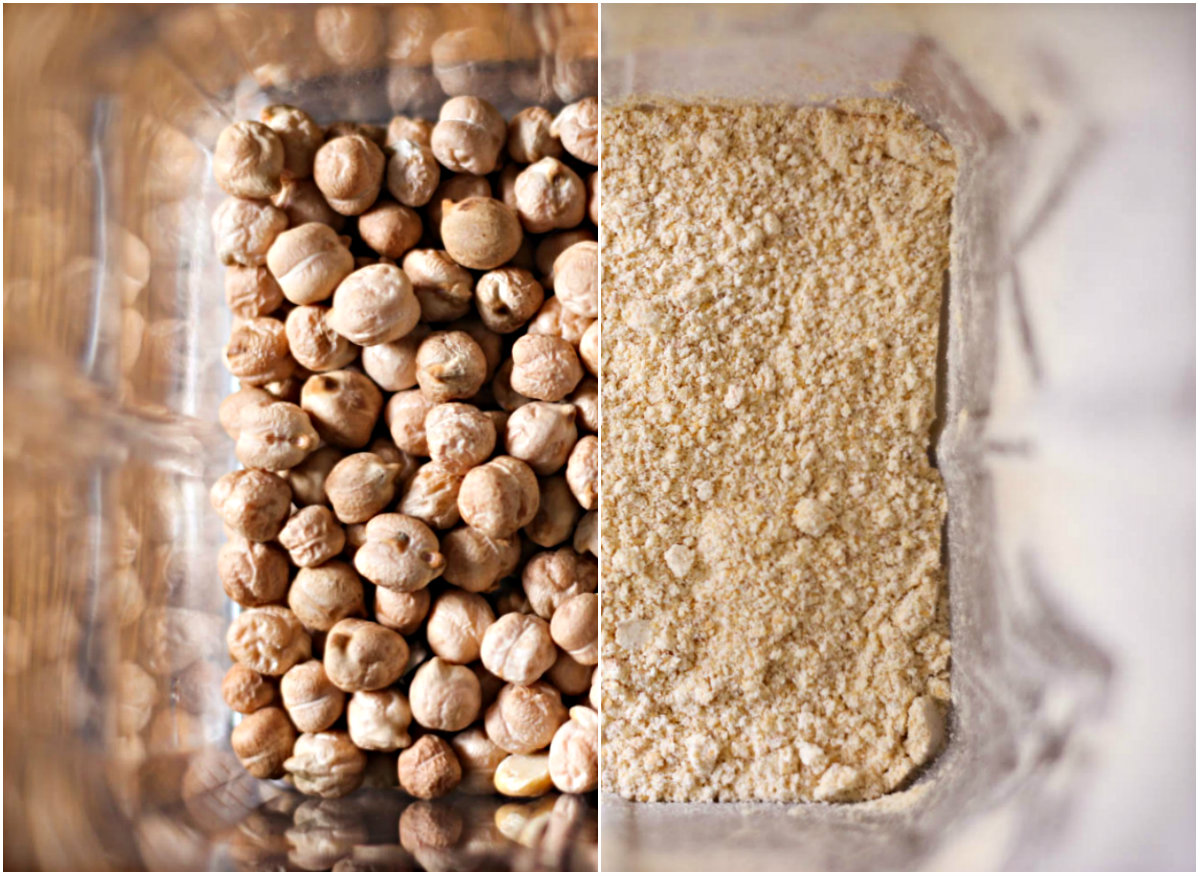
Chickpea (Garbanzo) Flour
High in protein and fiber with a savory note. Great for crisp batters and flatbreads.
- Best for: Socca, fritters, crackers
- Swap: 1:1 for batters and flatbreads
- Tip: Rest batter 15 minutes to reduce bitterness
Brown Rice Flour
Mild taste and fine texture. Useful in gluten-free blends.
- Best for: Coatings, cookies, gluten-free mixes
- Swap: Use as part of a blend
- Tip: Add a binder like xanthan gum for structure
Sorghum Flour
Neutral taste and soft crumb. Works well in cakes.
- Best for: Gluten-free cakes, muffins, tortillas
- Swap: 20 to 50 percent of a gluten-free blend
- Tip: Pairs well with tapioca starch for springy texture
Teff Flour
Tiny grain with a molasses note. Rich in iron and calcium.
- Best for: Pancakes, brownies, injera
- Swap: 25 to 50 percent of total flour
- Tip: Great in chocolate bakes to deepen flavor
Spelt Flour
An ancient wheat with a sweet taste. Lower gluten strength than modern wheat.
- Best for: Bread, pizza, waffles
- Swap: 1:1 for all purpose, mix gently
- Tip: Do not over-knead. It can turn gummy.
Quinoa Flour
High in protein with a grassy note. Toast it to soften flavor.
- Best for: Muffins, cookies, quick breads
- Swap: 25 to 50 percent in blends
- Tip: Lightly toast in a pan until nutty before use
Each option can be a healthy alternative to all purpose flour in the right recipe. Rotate them based on goals like more fiber, gluten-free needs, or lower carbs.
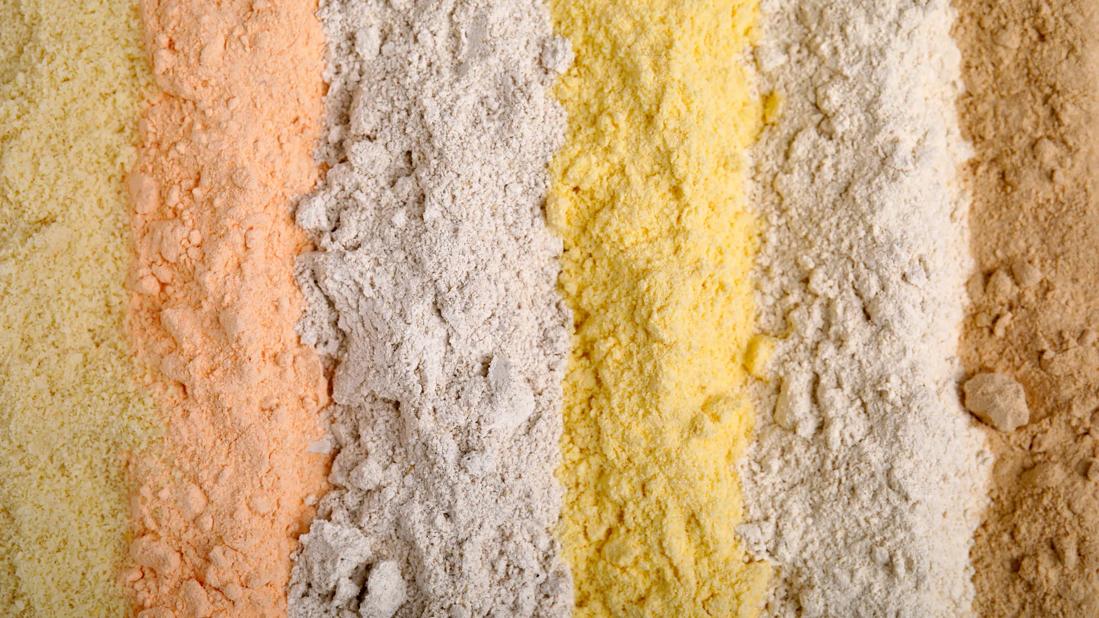
How to Swap All-Purpose Flour Without Losing Texture
Switching to a healthy alternative to all purpose flour works best with a plan. Texture lives in protein, starch, and water balance. Match those parts and you win.
Follow these simple steps:
- Start small. Swap 25 to 50 percent at first, then adjust.
- Add moisture. Whole and coconut flours need more liquid.
- Build structure. Use eggs, flax eggs, chia gel, or psyllium husk.
- Boost lift. Add 1/2 to 1 teaspoon extra baking powder per cup in heavy flours.
- Rest the batter. Ten to twenty minutes helps hydrate bran and binders.
- Weigh your flour. Weight is more exact than volume.
In my tests, resting oat and whole wheat batters cut crumbling by half. Almond and coconut flours rose better with extra eggs. These small tweaks make a healthy alternative to all purpose flour feel like a pro swap.
Health Benefits You Can Measure
The right healthy alternative to all purpose flour can do more than bake well. It can support long-term health.
Here is what research trends show:
- More fiber supports gut health and fullness. Whole grains and oats shine here.
- Lower glycemic impact helps steady energy. Almond, coconut, and chickpea flours help.
- More micronutrients come from bran and germ. Think iron, zinc, magnesium, and B vitamins.
- Gluten-free needs can be met with blends of rice, sorghum, buckwheat, and tapioca.
- Higher protein in nut and legume flours can help muscle repair and satiety.
Large cohort studies link whole grain intake with lower heart risk. Trials show beta-glucan from oats can lower LDL cholesterol. Higher protein and fiber can tame post-meal glucose spikes. This is why a smart healthy alternative to all purpose flour can fit many goals.
Storage, Budget, and Shopping Tips
You want taste, value, and fresh flour. Simple habits protect your spend and your pantry.
Smart storage:
- Keep flours in airtight jars.
- Store nut and whole grain flours in the fridge or freezer.
- Label the date. Use within 3 to 6 months for best flavor.
Budget moves:
- Buy in bulk, then split into small containers.
- Use blends to stretch costly nut flours.
- Shop store brands and ethnic markets for sorghum, teff, and chickpea flours.
Quality checks:
- Look for fine, even grind.
- Smell for freshness. Rancid flour smells bitter or sour.
- Read the label. Short ingredients win.
Using these steps makes any healthy alternative to all purpose flour easier to keep and use.

Sample Blends and Easy Recipes
A mix can beat a single flour. Blends balance starch, protein, and fiber. Here are proven options I use at home and in classes.
Gluten-free all-purpose blend:
- 40 percent sorghum flour
- 30 percent brown rice flour
- 20 percent tapioca starch
- 10 percent potato starch
- Add 1/2 teaspoon xanthan gum per cup for bread and pizza
High-fiber pancake mix:
- 1 cup oat flour
- 1/2 cup whole wheat flour
- 1/4 cup ground flaxseed
- 1 tablespoon baking powder
- 1/2 teaspoon salt
- 2 tablespoons sugar or sweetener of choice
Almond flour cookies:
- 2 cups almond flour
- 1/2 teaspoon baking soda
- Pinch of salt
- 1/3 cup maple syrup
- 1 egg or flax egg
- 2 tablespoons melted coconut oil
- Bake at 350°F for 10 to 12 minutes
These blends and recipes show how a healthy alternative to all purpose flour can be simple, tasty, and repeatable.

Troubleshooting and Mistakes to Avoid
Even pros hit bumps. Here is what I learned the hard way.
Common issues:
- Dry bakes: Add 1 to 2 tablespoons milk or oil per cup of whole or coconut flour.
- Dense crumbs: Increase leavening or add whipped egg whites.
- Crumbly slices: Add a binder like psyllium, chia, or xanthan gum.
- Bitter notes: Toast quinoa flour or rest chickpea batters.
- Flat cakes: Weigh flour and do not overmix spelt or whole wheat.
If a healthy alternative to all purpose flour fails once, do not quit. Adjust one thing at a time. Take notes. Your next batch will shine.
Frequently Asked Questions of healthy alternative to all purpose flour
What is the best healthy alternative to all purpose flour for cookies?
Almond flour makes tender, rich cookies with a low glycemic load. Oat flour also works well and adds a soft bite.
Which flour is best for a gluten-free bread?
A blend is best. Try sorghum, brown rice, and tapioca with psyllium husk for structure.
Can I replace all purpose flour 1:1 with coconut flour?
No. Coconut flour is very absorbent. Use about 1/4 to 1/3 cup coconut flour per 1 cup all purpose and add extra eggs.
Is whole wheat flour always healthier than white flour?
It has more fiber and nutrients, which is a plus. But taste and texture matter; start with a 50 percent swap to keep balance.
Which flour is best for blood sugar control?
Nut and legume flours like almond and chickpea tend to have lower glycemic impact. Pair them with protein and fat for best results.
How do I stop gluten-free cakes from crumbling?
Use binders like xanthan gum or psyllium husk. Rest the batter so starches hydrate and hold together.
Conclusion
You have many smart choices for a healthy alternative to all purpose flour. Match the flour to the job, tweak moisture and lift, and use simple blends. Small changes bring big gains in taste, texture, and nutrition.
Pick one swap this week and test it in a favorite recipe. Keep notes, adjust, and build your go-to mix. Want more tips and tested blends? Subscribe, share your results, or leave a question below.