

Top healthy alternatives include coconut sugar, date sugar, maple syrup, and allulose.
If you are searching for a healthy alternative to brown sugar, you are in the right place. I’ve spent years testing swaps in home kitchens and professional bakeries.
This guide cuts the noise and shows you how to pick, use, and bake with each healthy alternative to brown sugar, with science and real-world tips to back it up.
What makes brown sugar different?
Brown sugar is white sugar with molasses. That molasses adds moisture, color, and a warm caramel note. It also brings tiny amounts of minerals like potassium and calcium.
Nutritionally, brown sugar is still added sugar. It has similar calories and blood sugar impact as white sugar. That is why many cooks look for a healthy alternative to brown sugar that fits their goals.
Glycemic index values for sugars vary by source and test method. Most cane sugars rank high on the scale. Some natural sweeteners test lower, but data can differ across brands. Keep this in mind when you choose a healthy alternative to brown sugar.
:strip_icc()/measured-sugar-cups-7e9a97a1-bb399ff2610c44d7b1bd8c0375fbd5fc.jpg)
How to define a healthy alternative to brown sugar?
A good swap should do one or more of the following:
- Reduce total sugar or calories.
- Have a lower blood sugar impact.
- Keep or improve flavor and texture.
- Be simple to use in everyday recipes.
Your best healthy alternative to brown sugar depends on goals. Baking texture, gut comfort, and diet pattern all play a role. I suggest picking two options you like and learning them well.
The best healthy alternatives to brown sugar
Below are the top choices I use and teach. Each healthy alternative to brown sugar includes taste notes, how to swap, and when to use it.
Coconut sugar
Coconut sugar is made from coconut palm sap. It tastes like light caramel and is less sweet than brown sugar.
- How to use: Swap 1:1 by volume. It makes cookies a bit drier, so add 1 to 2 teaspoons of water per cup.
- Pros: Minimal processing, deep flavor, often gentler spike than table sugar in some tests.
- Cons: Still added sugar. Quality varies, and blood sugar impact is not zero.
Real-world tip: I like it in banana bread and muffins. It gives a tender crumb and a mellow toffee taste.
Date sugar
Date sugar is ground, dried dates. It has fiber and minerals from the whole fruit.
- How to use: Use 2/3 to 3/4 cup date sugar for 1 cup brown sugar. It does not melt well.
- Pros: More fiber than most sugars. Rich, fruity caramel flavor.
- Cons: Gritty if not sifted. Can darken bakes fast. Still adds sugars.
Use this healthy alternative to brown sugar in oatmeal cookies and streusel toppings.
Maple syrup
Maple syrup is a liquid sweetener with a clean, earthy caramel taste.
- How to use: For every 1 cup brown sugar, use 3/4 cup syrup and cut 2 to 3 tablespoons liquid in the recipe.
- Pros: Distinct flavor, minerals like manganese.
- Cons: Liquid form needs recipe tweaks. Cost can be high.
I love it in granola and glazed carrots. It is a reliable healthy alternative to brown sugar for stovetop sauces.
Honey
Honey is sweeter than sugar and has floral notes.
- How to use: Use 1/2 to 2/3 cup honey for 1 cup brown sugar. Reduce liquids and lower oven temp by 25°F to prevent over-browning.
- Pros: Strong flavor, easy to find.
- Cons: Not vegan. Varies in taste by region. Similar calories to sugar.
Pick a darker honey if you want more molasses-like depth.
Molasses
Molasses is the very ingredient that makes brown sugar brown.
- How to use: Mix 1 cup white sugar with 1 tablespoon molasses for light brown sugar. Use 2 tablespoons for dark brown.
- Pros: Classic flavor. Adds iron and potassium in small amounts.
- Cons: Strong taste. Can make dough sticky.
This is the fastest healthy alternative to brown sugar when you are mid-recipe.
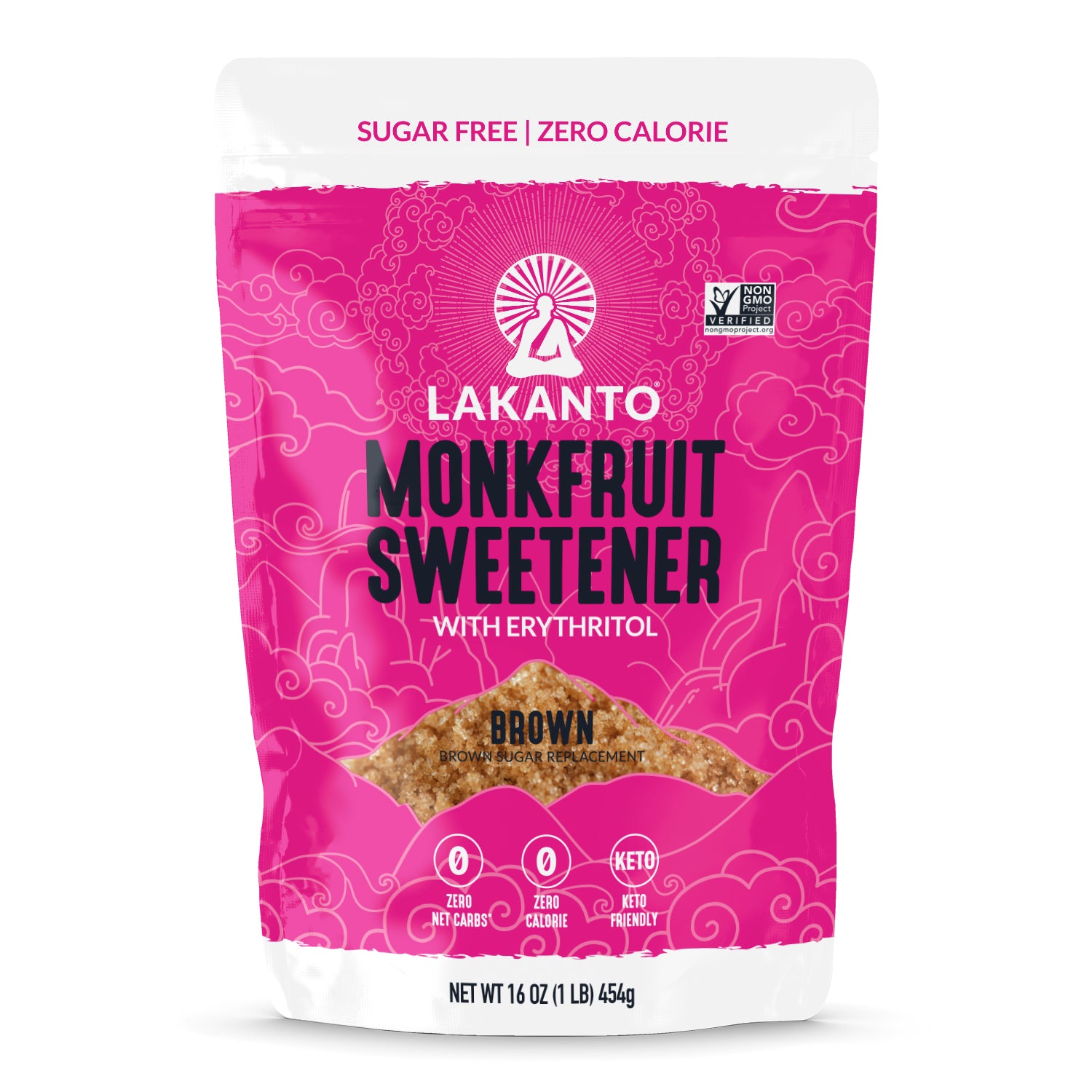
Monk fruit sweetener
Monk fruit extracts are very sweet, often blended with erythritol or allulose.
- How to use: Follow your brand’s conversion chart. Many blends are a 1:1 brown sugar replacement.
- Pros: Very low or zero calories. Little to no blood sugar impact.
- Cons: Taste can be too clean or slightly fruity. Some people notice a cooling feel with blends.
This healthy alternative to brown sugar fits low-carb or diabetic meal plans.
Stevia
Stevia is a potent sweetener that comes as drops, powder, or blends.
- How to use: Use blends designed for baking. Pure stevia is too strong for 1:1 swapping.
- Pros: Zero calories. Very stable in heat.
- Cons: Can taste bitter in high amounts. Texture needs help from bulking agents.
Pair stevia with applesauce in muffins for sweetness and moisture.
Erythritol
Erythritol is a sugar alcohol with almost no calories.
- How to use: Use a 1:1 brown sugar style blend for best texture. Pure erythritol can crystallize.
- Pros: Very low blood sugar impact. Helps browning a bit when blended.
- Cons: Cooling aftertaste. Can upset digestion for some when used in large amounts.
A solid healthy alternative to brown sugar for crunchy cookies.
Allulose
Allulose is a rare sugar with about 70% the sweetness of sugar and almost no calories.
- How to use: Use 1 1/3 cup allulose to replace 1 cup brown sugar, then adjust to taste.
- Pros: Caramelizes and browns well. Very low blood sugar effect.
- Cons: Can over-brown at high heat. Some people notice mild GI discomfort at high doses.
I reach for allulose when I want a soft, chewy cookie without much sugar.
Unsweetened applesauce or fruit puree
Fruit purees bring natural sugars, fiber, and moisture.
- How to use: Replace up to half the brown sugar with equal parts puree. Reduce other liquids a bit.
- Pros: Cuts added sugar. Adds moisture and flavor.
- Cons: Not as sweet. Can make bakes dense if you use too much.
This healthy alternative to brown sugar shines in quick breads and snack cakes.
How to swap sweeteners in baking and cooking?
Choosing a healthy alternative to brown sugar is step one. The magic is in the technique.
- Adjust moisture. Dry sweeteners like coconut sugar pull moisture. Add 1 to 2 teaspoons water per cup as needed.
- Mind browning. Honey, maple, and allulose brown fast. Lower oven temp by 25°F and check early.
- Balance acidity. Molasses and honey are acidic. Add a pinch of baking soda to neutralize if batter tastes sharp.
- Add bulk if needed. Zero-calorie options lack mass. Use yogurt, applesauce, or a brown sugar style blend to keep structure.
- Taste and iterate. Start by swapping only 25% to 50% of the brown sugar. Build up as you learn.
From my tests, allulose made the chewiest chocolate chip cookies. Coconut sugar was best in crumb muffins. Date sugar won in oatmeal bars. These small shifts can turn a good bake into a great one with a healthy alternative to brown sugar.
Health considerations and smart use
Healthy does not mean “free to use without limits.” Even natural options can add up.
- Calories and blood sugar. Coconut sugar, maple, and honey still count as added sugars. Zero-calorie sweeteners may help reduce total sugar.
- Gut comfort. Some sugar alcohols can cause gas or bloating at high amounts. Start low and assess your tolerance.
- Dental health. Sticky sweeteners can cling to teeth. Rinse or brush after sweet treats.
- Daily limits. Most adults do well keeping added sugars under standard daily limits set by health groups. A healthy alternative to brown sugar can help you meet that goal.
Research suggests low or zero-calorie sweeteners do not raise blood sugar in most people. Yet responses can vary by person and product. Track how your body feels when you test a new healthy alternative to brown sugar.
Buying and storage tips
Good results start with good ingredients.
- Read labels. Some blends add fillers or starch. Choose products with clear, short ingredient lists.
- Test small. Buy a small pack first. Make one recipe and note taste, browning, and texture.
- Store right. Keep dry sweeteners in an airtight jar. Soften hardened coconut sugar by sealing it with a slice of bread overnight.
- Use fresh liquids. Maple and honey can crystalize or ferment if stored poorly. Keep them sealed and cool.
Making these small habits part of your routine will improve every healthy alternative to brown sugar you try.

Frequently Asked Questions of healthy alternative to brown sugar
What is the best healthy alternative to brown sugar for baking cookies?
Allulose gives the chewiest texture with low calories. Coconut sugar is a close second if you want a natural, easy 1:1 swap.
Which option is best for people with diabetes?
Monk fruit blends, stevia blends, erythritol, or allulose usually have minimal blood sugar impact. Check labels and test your personal response.
Can I replace brown sugar 1:1 with maple syrup?
Yes, but reduce other liquids and lower oven temperature by 25°F. Start with 3/4 cup maple for each cup of brown sugar.
Will coconut sugar taste like coconut?
No. It tastes like mild caramel, not coconut. It works well in most recipes that call for brown sugar.
How do I stop zero-calorie sweeteners from tasting “cool” or bitter?
Blend them with a little maple, honey, or molasses. A 75/25 mix often fixes aftertaste while keeping sugar low.
Conclusion
A healthy alternative to brown sugar can fit any goal, from lower sugar to rich flavor without the crash. Start with one or two options, like coconut sugar for ease and allulose for low calories, and master their quirks.
Try a half-swap in your next muffin or cookie recipe this week. See how the texture and flavor change, then refine. If you found this guide useful, subscribe for more tested swaps and recipe tips, or leave a comment with your favorite healthy alternative to brown sugar.