

Best healthy alternative to shortening: butter, olive oil, avocado oil, and coconut oil.
If you want a healthy alternative to shortening, you are in the right place. I test recipes for home cooks and bakeries.
This guide explains what works, why it works, and how to swap with ease. Read on to master every healthy alternative to shortening without losing flavor or texture.
What shortening is and why choose a healthier swap?
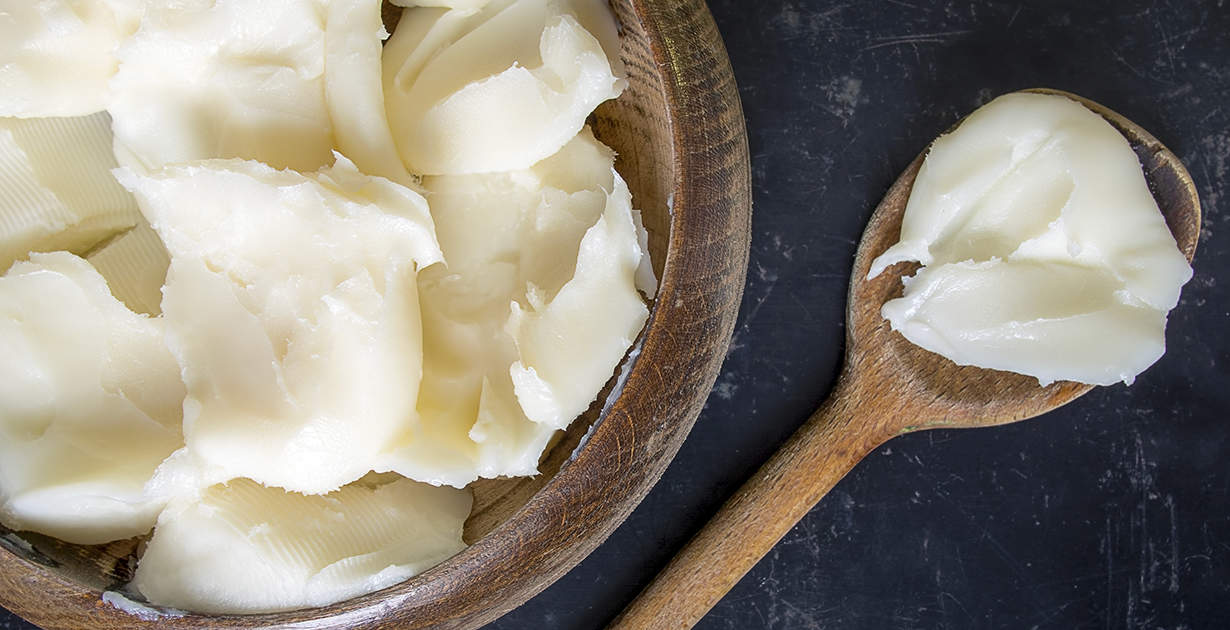
Shortening is 100% fat. It is often made from refined oils. It gives soft, flaky results in baking. It also has little flavor.
Years ago, many shortenings had trans fats. The FDA removed partially hydrogenated oils from the food supply. Modern shortenings are better. Yet they are still ultra-processed and high in saturated fat.
A healthy alternative to shortening can cut saturated fat. It can add flavor. It can add nutrients like vitamin E and antioxidants. My test kitchen results show that smart swaps still bake up tender and crisp.
The key is to match the fat type to the task and adjust the method. This article gives you every healthy alternative to shortening you will need.
Top healthy alternatives to shortening
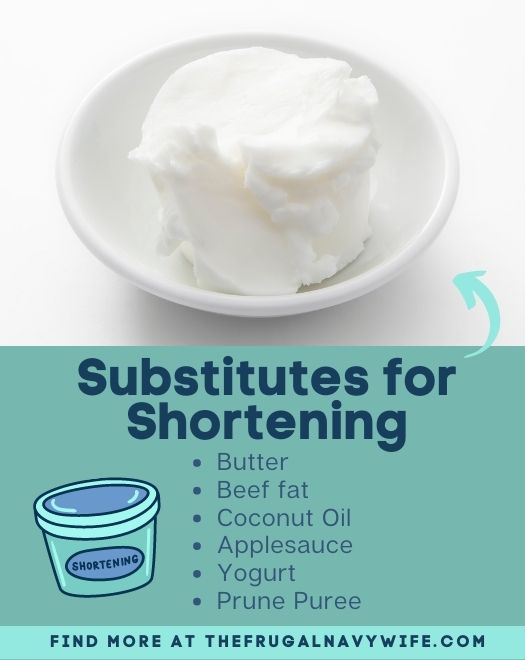
When you pick a healthy alternative to shortening, think about two things. You need the right fat for structure. You also need a flavor that fits the dish.
Butter
Butter is classic. It brings great taste and a lovely crumb.
- Best for: cookies, cakes, pie crusts, biscuits
- Why it works: water in butter creates steam and lift; milk solids brown
- Health note: contains more saturated fat than oils; use grass-fed if you like
My tip: chill the dough well. This keeps layers flaky in pie crusts.
Ghee (clarified butter)
Ghee is butter without water and milk solids.
- Best for: pie crusts, sautéing, high-heat baking
- Why it works: 100% fat, clean butter flavor, higher smoke point than butter
- Health note: lactose-free for most; still high in saturated fat
Extra-virgin olive oil
Olive oil is my go-to for everyday cooking and moist bakes.
- Best for: quick breads, muffins, snack cakes, focaccia, roasting
- Why it works: heart-friendly monounsaturated fat; rich flavor
- Health note: linked with better heart health in research
Pro tip: choose a mild EVOO for sweets. Robust oils can taste peppery.
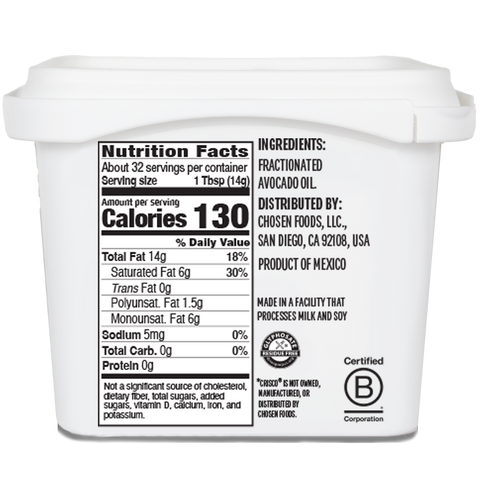
Avocado oil
Avocado oil is clean and neutral with a high smoke point.
- Best for: roasting, stir-fries, high-heat baking, dressings
- Why it works: monounsaturated fat; very stable in heat
- Health note: good option if you want a neutral taste
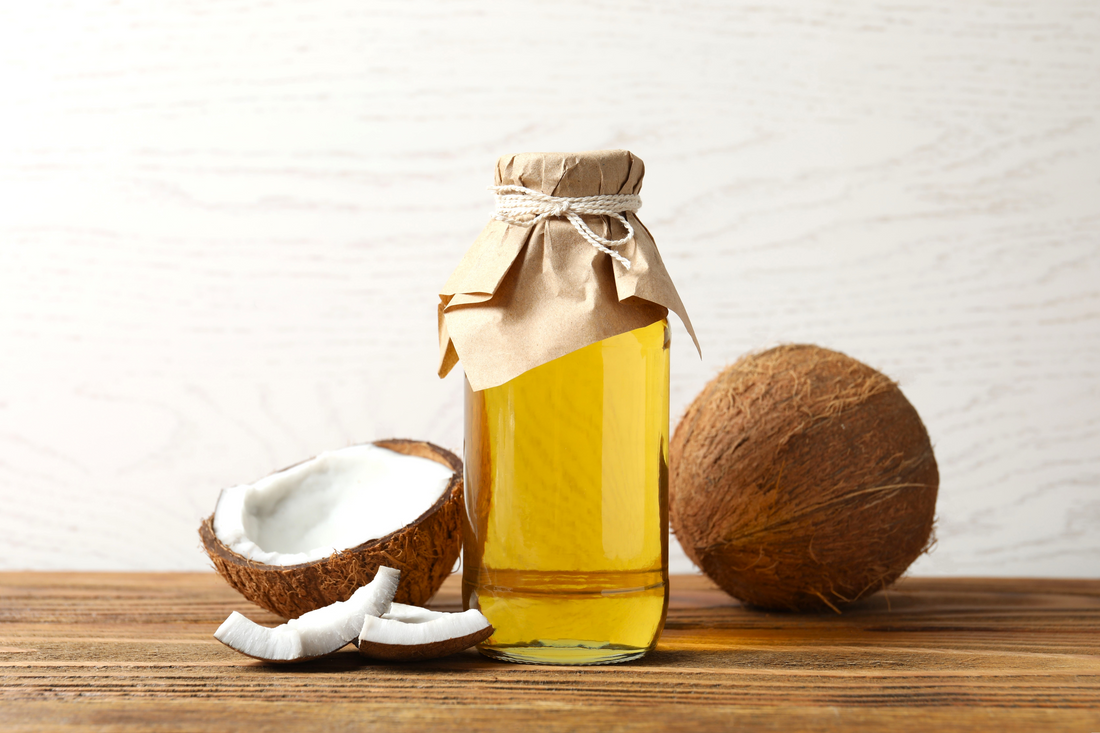
Refined coconut oil
Coconut oil can mimic shortening’s solid state.
- Best for: vegan pie crusts, frostings, no-bake bars
- Why it works: solid at room temp; creates flaky layers
- Health note: higher in saturated fat; use in moderation
- Choose refined for a neutral taste; virgin adds coconut flavor
Yogurt or applesauce (partial swaps)
These reduce total fat and calories.
- Best for: quick breads, muffins, snack cakes
- How to use: replace up to half the fat with equal yogurt or applesauce
- Bonus: adds moisture and tenderness
Nut butters (partial swaps)
Almond or peanut butter adds protein and depth.
- Best for: cookies and bars
- How to use: replace up to half the fat; add 1–2 teaspoons oil if dough is stiff
Each option above can be a healthy alternative to shortening. Match the fat to the recipe goal. Then manage temperature and moisture for best results.
How to substitute like a pro (ratios and techniques)
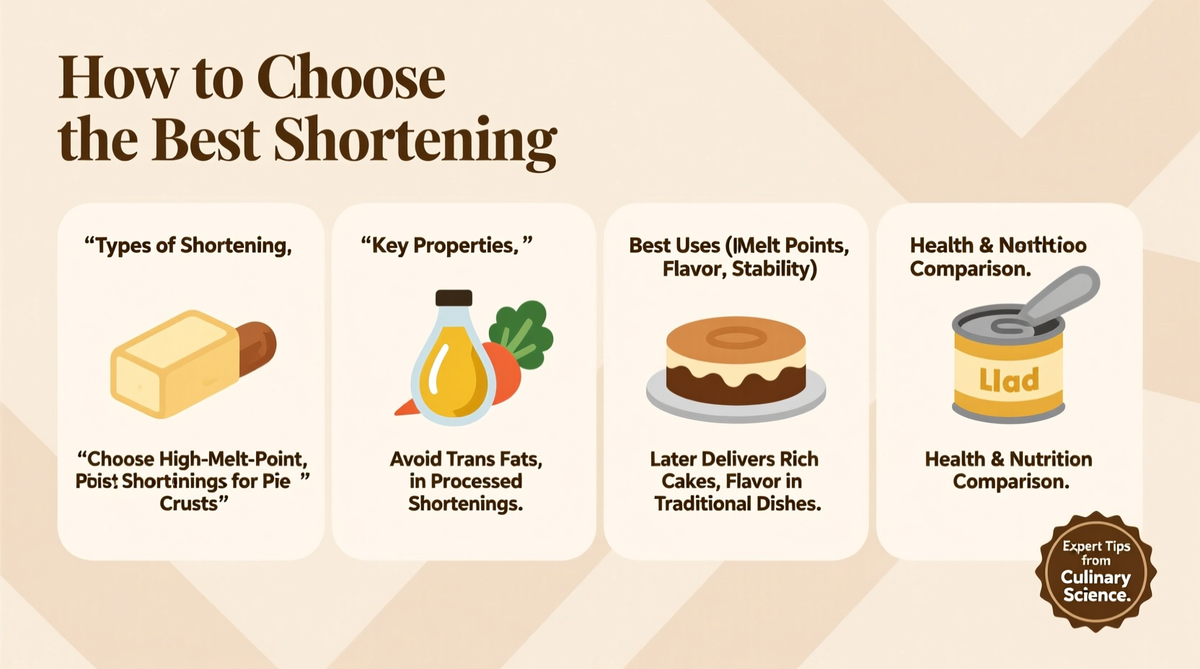
Pick your healthy alternative to shortening, then set the ratio.
- Butter: 1 cup shortening → 1 cup butter for most cookies and cakes. For ultra-flaky crusts, use 1 cup plus 2 tablespoons butter to match fat. Or keep 1:1 and reduce other liquids by 1–2 teaspoons.
- Ghee: 1 cup shortening → 1 cup ghee. Great for pie crusts and biscuits.
- Olive oil: For cakes, muffins, and quick breads, 1 cup shortening → 3/4 to 7/8 cup oil. Mix wet and dry gently. Do not overbeat.
- Avocado oil: Swap like olive oil. Use 3/4 to 7/8 cup per cup of shortening.
- Refined coconut oil: 1:1 by volume. For creaming, use solid but soft coconut oil. For batters, melt and cool slightly.
Texture notes:
- If dough spreads too much, chill it longer or add 1–2 tablespoons flour.
- If cakes seem dry, add 1–2 tablespoons milk or yogurt to the batter.
- If crust lacks lift, keep ingredients cold and handle the dough less.
In my trials, chilling is the single best fix when swapping fats. It locks in structure. It also prevents greasy crumbs.

Nutrition and health insights
A healthy alternative to shortening can improve your fat profile.
- Olive and avocado oils are high in monounsaturated fats.
- Butter and ghee are higher in saturated fat, but they add flavor and structure.
- Coconut oil is very high in saturated fat. Use it for function, not every day.
- Yogurt or applesauce reduce total fat when you swap part of the shortening.
Modern shortenings no longer contain industrial trans fats in the U.S. Yet many are still ultra-processed. Whole-food fats offer more flavor, better micronutrients, and simpler labels. That is why I often choose a healthy alternative to shortening for home baking.
Flavor and texture guide
Fat choice changes taste and crumb. Use this quick guide to hit your target.
- For flaky pie crust: use cold butter or ghee. Or a butter-coconut oil blend.
- For moist cakes and muffins: use olive oil or avocado oil.
- For crisp cookies with rich taste: use butter. Chill dough for 30–60 minutes.
- For vegan bakes with structure: use refined coconut oil while keeping sugar and liquid in balance.
If a recipe seems dull, bloom flavor with vanilla, citrus zest, or a pinch of salt. This keeps the switch to a healthy alternative to shortening satisfying.
Vegan and allergen-friendly paths
You can choose a healthy alternative to shortening that is vegan and simple.
- Vegan fats: refined coconut oil, avocado oil, light olive oil
- Dairy-free structure: use coconut oil for solid fat tasks
- Egg-free support: flax “eggs” or aquafaba can help hold crumbs
Practical swaps I love:
- Vegan pie crust: 50% refined coconut oil, 50% avocado oil. Keep it cold.
- Vegan muffins: avocado oil plus a splash of oat milk for moisture.
Storage and shelf life
Store your healthy alternative to shortening the right way to protect taste.
- Butter: freeze sticks for long storage; refrigerate opened sticks.
- Ghee: shelf-stable if sealed; refrigerate after opening for best quality.
- Olive and avocado oils: keep in a cool, dark place; close caps tight.
- Coconut oil: store at room temp; keep out of direct sun.
- Baked goods: oil-based cakes stay moist longer than butter-only cakes.
If an oil smells sharp or paint-like, it is rancid. Discard it. Good storage keeps your healthy alternative to shortening fresh and safe.
Mistakes to avoid
Avoid these common errors when using a healthy alternative to shortening.
- Swapping 1:1 with oil in cookies that need creaming. Use butter, ghee, or coconut oil instead.
- Overmixing oil-based batters. Stir just until combined.
- Ignoring temperature. Cold fat makes flaky layers. Room-temp fat makes tender crumbs.
- Forgetting salt. A pinch lifts flavor when you cut shortening.
- Skipping a test batch. Bake one cookie to check spread and adjust chill time.
Small tweaks fix most issues fast. Keep notes so your next bake is even better.
Frequently Asked Questions of healthy alternative to shortening
What is the best healthy alternative to shortening for pie crust?
Use cold butter or ghee for the flakiest layers. Refined coconut oil also works for a vegan pie crust when kept cold.
Which oil is best for baking cakes instead of shortening?
Olive oil or avocado oil gives a moist crumb and a soft bite. Use 3/4 to 7/8 cup oil for every cup of shortening.
Can I fry with a healthy alternative to shortening?
Yes. Choose avocado oil for a very high smoke point. Light or refined olive oil also handles medium-high heat well.
Is coconut oil healthier than shortening?
Coconut oil has no trans fats but is high in saturated fats. Use it for structure, but make olive or avocado oil your daily choice.
How do I keep cookies from spreading with oil?
Chill the dough for 30–60 minutes. Or switch to butter, ghee, or coconut oil for better structure.
Can I replace all shortening with applesauce?
No. Replace up to half the fat with applesauce. This cuts calories but keeps texture soft, not gummy.
Will flavor change when I swap shortening?
Yes, often for the better. Butter adds richness; olive oil adds a fruity note; refined coconut oil stays neutral.
Conclusion
You have many smart options for a healthy alternative to shortening. Butter or ghee builds flaky layers. Olive and avocado oils bring heart-friendly fats and moist crumbs. Refined coconut oil adds vegan structure when you need a solid fat.
Start small. Try one swap in a favorite recipe and note the results. With a few test runs, you will hit the taste and texture you love. Want more guides like this? Subscribe for future tips, or leave a comment with your latest bake.