

Extra-virgin olive oil and avocado oil are the best healthy swaps for canola.
If you are searching for a healthy alternative to canola oil, you are in the right place. I test oils in real kitchens and advise clients on nutrition and cooking. This guide blends science, taste, and practical tips so you can switch with confidence and cook better, every day.

What Makes a Cooking Oil “Healthy”?
A healthy oil supports heart health and stands up to heat. It should be rich in monounsaturated fats, have a clean flavor, and be stable when hot. Polyphenols and antioxidants are a bonus, as they lower oxidation in the pan.
When you pick a healthy alternative to canola oil, think about the whole picture. Look at fat type, smoke point range, and flavor. Also consider how you cook most of the time. The best oil is the one that fits your method and taste, and that you will use well.
Best Healthy Alternatives to Canola Oil
Choosing a healthy alternative to canola oil depends on heat, taste, and budget. Below are the top oils I reach for in both home and pro kitchens. I also note how I use each one and what science says about stability and health.
Extra-virgin olive oil (EVOO)
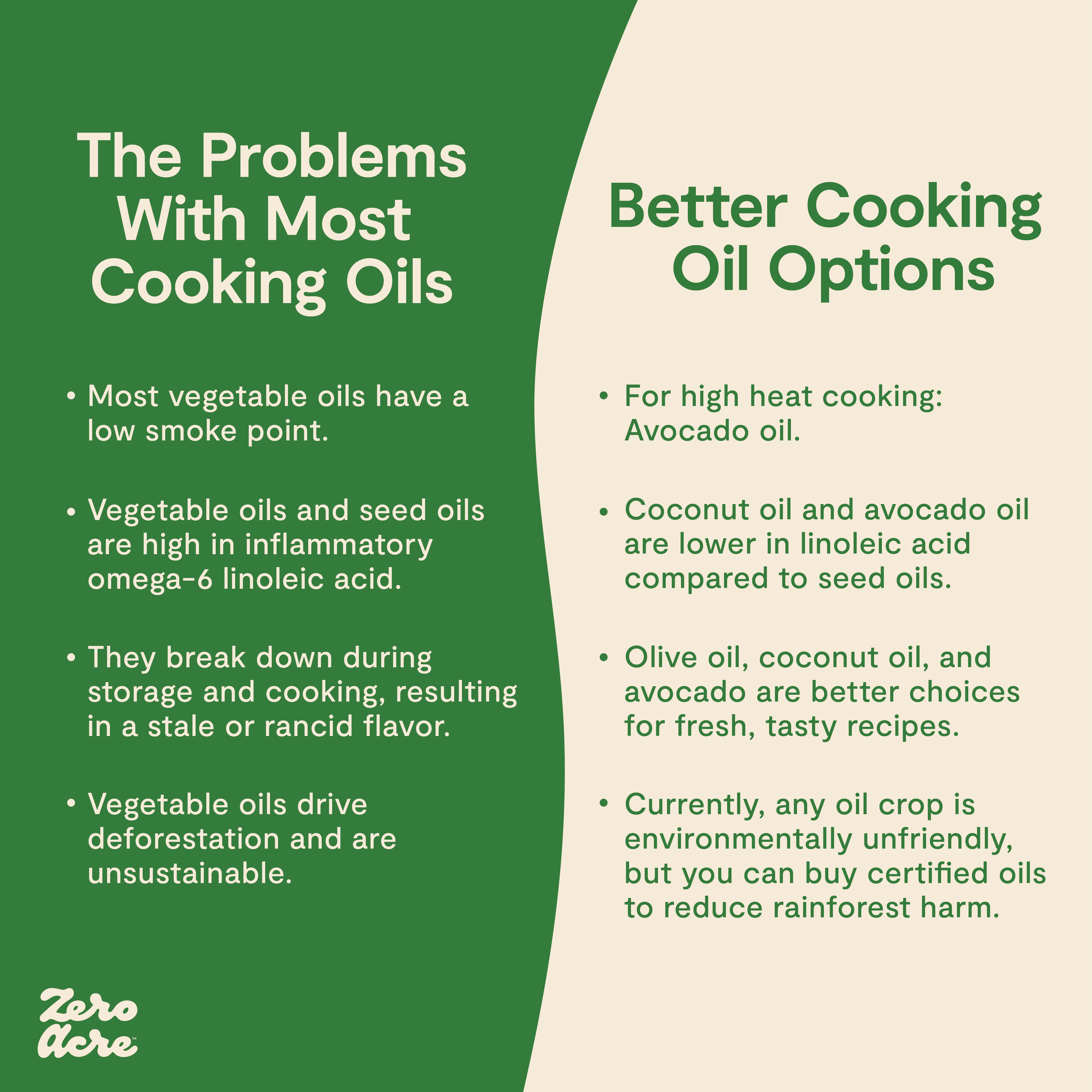
EVOO is my go-to for daily use. It is rich in oleic acid and antioxidants, which help protect the oil during cooking. In many trials, regular EVOO use is linked with better heart markers. For most sautéing and roasting up to about 400°F, it shines.
This is a healthy alternative to canola oil with real flavor. Use it for dressings, dips, and sheet-pan veggies. Buy fresh, in dark glass, and store cool to keep the peppery polyphenols.
Avocado oil
Avocado oil offers a neutral taste and a high smoke point. Refined versions often test well above 450°F, which is great for stir-fries and searing. It is high in monounsaturated fat and holds steady under heat.
Avocado oil is a healthy alternative to canola oil when you want clean taste and high-heat control. I rely on it for cast-iron steaks, quick sautés, and crispy potatoes.
High-oleic sunflower or safflower oil
High-oleic means more monounsaturated fat and better heat stability. These oils are neutral and work in baking, frying, and sauces. Check the label for “high-oleic,” as standard versions are higher in polyunsaturated fats and less stable at high heat.
This is a healthy alternative to canola oil for deep pans and large batches. I use it when I need a neutral profile that will not overpower spices or herbs.
Light or refined olive oil
Light or refined olive oil is filtered for a higher smoke point and a mild flavor. It lacks some polyphenols compared to EVOO, but it is still rich in oleic acid. It works well for high-heat tasks and everyday baking.
Choose this healthy alternative to canola oil when you want olive oil benefits without a strong taste. It is a smart pantry staple for mixed uses.
Coconut oil
Coconut oil is stable at heat and adds a distinct flavor. It is high in saturated fat, which can raise LDL in some people. Use it when the taste fits, and in modest amounts.
It is not my default healthy alternative to canola oil, but it can be useful in specific recipes. I like it for certain curries, granolas, and dairy-free baking.
Ghee (clarified butter)
Ghee has a rich, nutty taste and a high smoke point. It is lactose-free and great for Indian dishes and sautéing. Like coconut oil, it is higher in saturated fat, so use mindfully.
As a healthy alternative to canola oil, ghee brings flavor and heat tolerance. I often blend a small spoon of ghee with avocado oil to balance taste and fat profile.
Sesame oil (light and toasted)
Light sesame oil has a higher smoke point and a gentle, nutty note. Toasted sesame oil is for finishing, not high heat. It is wonderful in Asian-style sauces and stir-fries.
This can be a healthy alternative to canola oil when you want depth and aroma. Mix a little toasted sesame oil with avocado oil for a fast, flavorful stir-fry base.
Walnut or flaxseed oil (for cold uses)
Both are rich in omega-3 ALA and taste great in dressings. They are not heat-stable and should not be used for frying. Keep them in the fridge and use within a few months.
For salads, this is a healthy alternative to canola oil that adds a nutty, fresh twist. I whisk walnut oil into vinaigrettes for leafy greens and grains.
How to Choose the Right Oil for Each Cooking Method?
Match the oil to the job and you will get better taste and texture. This also helps you stick with a healthy alternative to canola oil that fits your routine.
- No heat, like dressings and dips: Extra-virgin olive oil, walnut oil, flaxseed oil.
- Low to medium heat, like gentle sautéing: EVOO, light olive oil, avocado oil.
- High heat, like searing and stir-fry: Refined avocado oil, high-oleic sunflower or safflower, light olive oil.
- Baking: Light olive oil or high-oleic oils for neutral taste; EVOO for savory bakes.
- Finishing and flavor: EVOO, toasted sesame oil, walnut oil.
Health Insights: Fats, Oxidation, and Smoke Points
Oil quality is more than a single smoke point number. Stability depends on fat type, antioxidants, and how the oil is processed. Monounsaturated-rich oils tend to oxidize less under heat, and antioxidants help shield them.
Large nutrition studies link EVOO use with better heart outcomes. Trials also show that replacing saturated fat with unsaturated fat can improve cholesterol profiles.
For a healthy alternative to canola oil, favor oils rich in monounsaturated fat, with proven stability in real kitchens and tests.

Budget and Storage Tips
You do not need ten bottles to cook well. Keep one great EVOO for salads and light cooking. Add one high-heat oil, like avocado or high-oleic sunflower, for searing and frying.
Store oils away from light, air, and heat. Use dark bottles, close caps tight, and buy sizes you can finish in a few months. If cost matters, a big jug of high-oleic oil plus a smaller bottle of EVOO gives a solid, healthy alternative to canola oil without waste.

Common Mistakes and How to Avoid Them
- Using one oil for every task. Fix it by pairing EVOO for low to medium heat and a high-heat oil for searing.
- Chasing the highest smoke point only. Balance heat tolerance with fat quality and taste.
- Letting oil go stale. Buy smaller bottles and rotate stock.
- Overheating the pan. If oil smokes or smells harsh, cool it and start fresh.
- Assuming coconut oil is always “healthier.” It can fit, but not as your only healthy alternative to canola oil.

Smart Swaps and Quick Formulas
Use these easy swaps to make the change stick in daily cooking. They keep taste high and stress low.
- For sautéing: Swap canola with avocado oil at a 1:1 ratio.
- For salads: Swap canola with EVOO, then add lemon and herbs.
- For baking: Use light olive oil 1:1 for canola in cakes and muffins.
- For stir-fries: Use 2 parts avocado oil and 1 part toasted sesame oil.
- For roasting: Use EVOO for veggies under 425°F; switch to avocado oil above that.
Simple vinaigrette: 3 parts EVOO, 1 part acid, plus salt, pepper, and mustard. Marinade base: 2 parts avocado oil, 1 part citrus, garlic, and spices. Each swap is a practical, healthy alternative to canola oil you can try tonight.

Frequently Asked Questions of healthy alternative to canola oil
What is the single best healthy alternative to canola oil?
Extra-virgin olive oil is the best all-around pick for most people. It offers great flavor, strong research support, and works for many methods.
Which oil should I use for high-heat cooking?
Refined avocado oil or high-oleic sunflower oil are strong choices. They tolerate higher heat while keeping a good fat profile.
Is coconut oil a healthy alternative to canola oil?
It can be, but use it with care. Coconut oil is heat-stable, yet higher in saturated fat, which can raise LDL for some people.
Can I bake with extra-virgin olive oil instead of canola?
Yes, and it adds a pleasant note in savory bakes and some desserts. For a neutral taste, choose light olive oil or high-oleic sunflower oil.
What is the best budget-friendly replacement?
High-oleic sunflower or safflower oil gives a neutral taste at a fair price. Pair it with a small bottle of EVOO for salads and dips.
How do I store my chosen healthy alternative to canola oil?
Keep oils in dark bottles, away from heat and light. Close caps tightly and aim to use within a few months.
Conclusion
You now have a clear path to pick and use a healthy alternative to canola oil. Start with two staples: a bold, fresh EVOO and a reliable high-heat oil like avocado or high-oleic sunflower. Match oil to method, store it well, and enjoy better flavor and better cooking.
Ready to try it tonight? Swap canola with EVOO in your next salad, or sear with avocado oil. If this guide helped, share it, subscribe for more kitchen-tested tips, or leave a comment with your favorite swap.