

Swap fries for baked veggie wedges, air-fried roots, and crisp roasted sides.
If you want a healthy alternative to fries, you are in the right place. I have tested dozens of recipes in home kitchens and in busy meal prep sessions. This guide shows what works, why it works, and how to make it taste great. You will learn the best healthy alternative to fries for your taste, budget, and time.
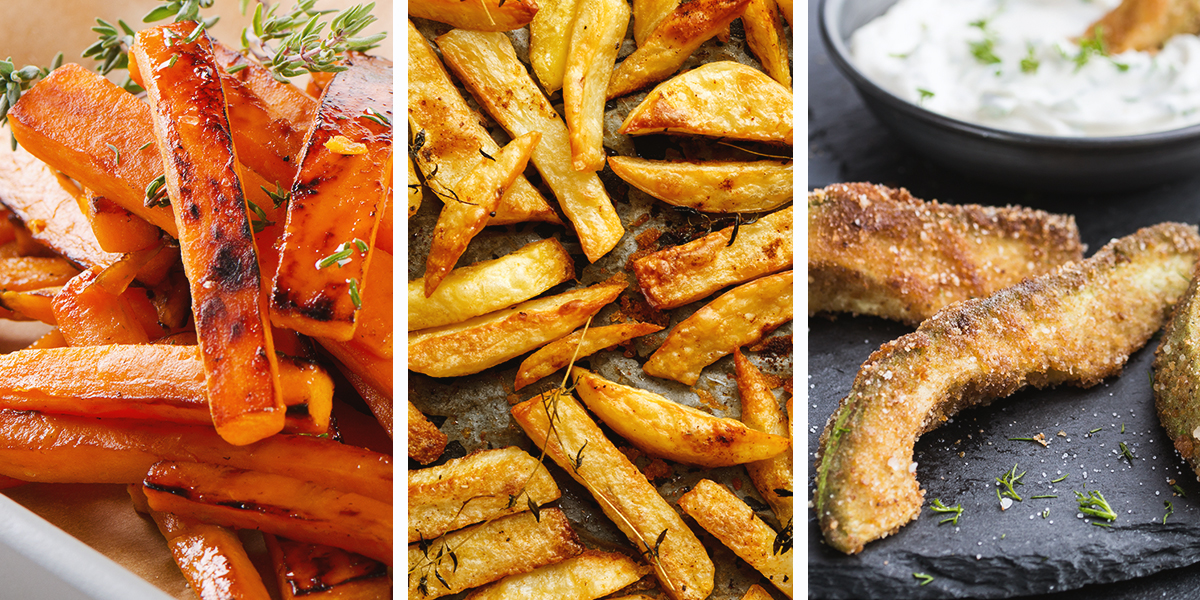
Why we crave fries and what makes them tricky?
Fries are light, crisp, salty, and hot. That mix lights up our reward system. They also pack a lot of oil, fast carbs, and sodium. That can spike hunger soon after you eat.
A small serving can add many calories fast. Many chains use refined oils high in omega-6 fats. Studies link a high intake of fried foods with higher heart risk and weight gain over time. None of this means you must quit fries forever. It means you can choose a healthy alternative to fries most days and enjoy classic fries as a treat.
What counts as a healthy alternative to fries?
A smart swap does three things. It cuts fat and calories, keeps crunch, and adds fiber and micronutrients. My rule is simple: whole vegetables, high heat, little oil, bold flavor.
Use these criteria when you choose a healthy alternative to fries:
- Whole produce or whole grains, not ultra-processed.
- Baking or air frying instead of deep frying.
- Light oil use, often 1 to 2 teaspoons per sheet.
- Seasonings for flavor so you need less salt.
- Fiber for fullness and steady energy.

Source: thelittlepine.com
Best healthy alternatives to fries you can make today
Want a healthy alternative to fries that still hits the spot? Start here. I use these weekly at home and with clients.
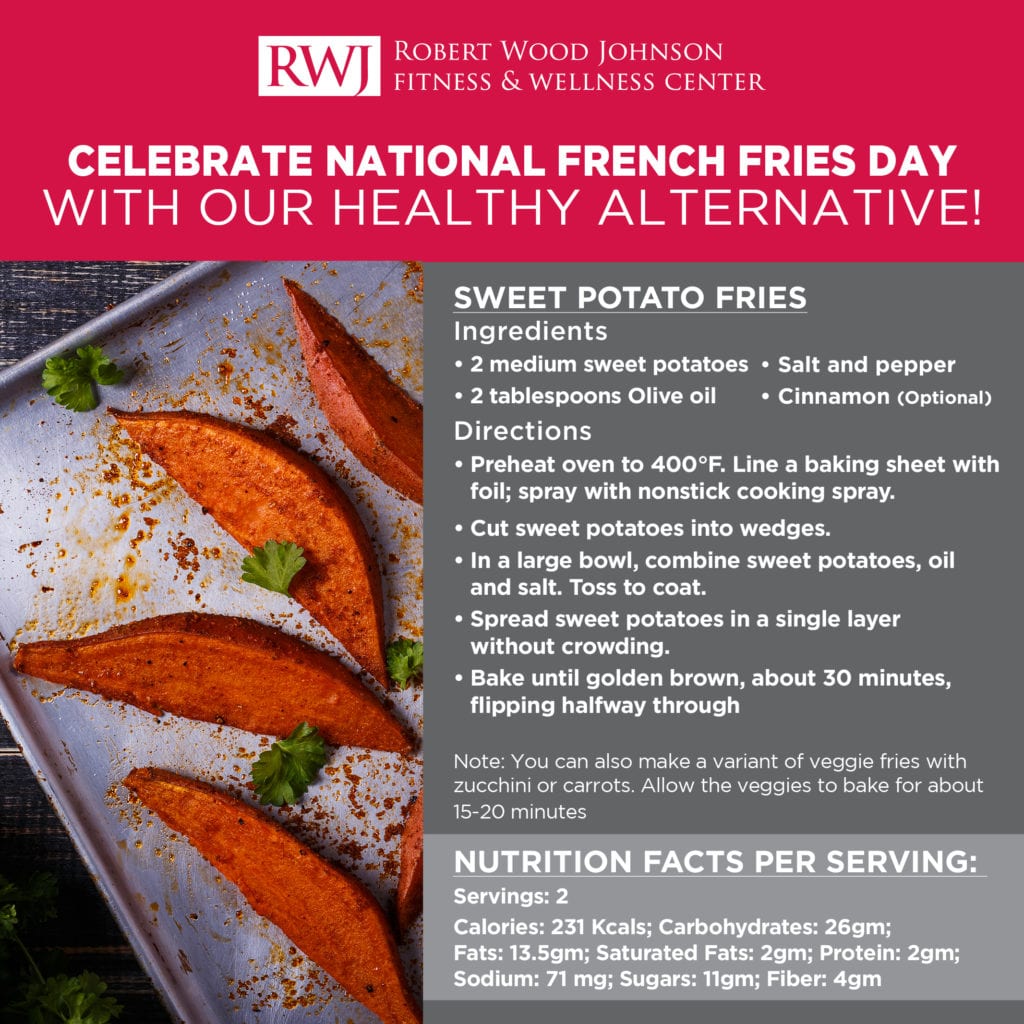
Baked sweet potato wedges
- Cut into thick wedges. Toss with 1 teaspoon oil, paprika, and salt.
- Bake at 425°F for 25 to 30 minutes, flipping once.
- Benefits: beta-carotene, fiber, and a hint of sweet.
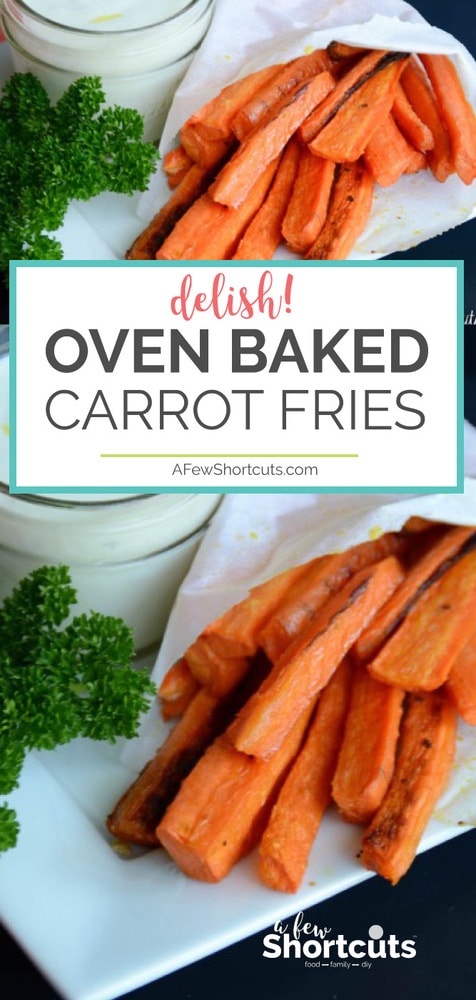
Roasted carrot fries
- Slice carrots into sticks. Coat with oil, cumin, and pepper.
- Roast at 450°F for 20 minutes.
- Benefits: low calorie, rich in vitamin A, great with yogurt dip.
Parsnip fries
- Cut matchsticks. Season with garlic and smoked paprika.
- Roast at 425°F for 25 minutes.
- Benefits: sweet-nutty flavor, more fiber than white potatoes.
Zucchini fries
- Cut spears. Toss in beaten egg, then coat with whole-wheat crumbs and Parmesan.
- Air fry at 400°F for 10 minutes.
- Benefits: extra crunch with very few calories.
Turnip or rutabaga fries
- Slice thin. Season with rosemary and garlic.
- Roast at 425°F for 30 minutes.
- Benefits: mild taste, low carb, great for burger nights.
Green bean fries
- Toss with oil, garlic powder, and lemon zest.
- Air fry at 400°F for 8 to 10 minutes.
- Benefits: crisp-tender bite, high in fiber.
Cauliflower “popcorn”
- Break into small florets. Toss with curry powder and oil.
- Roast at 450°F for 18 to 22 minutes.
- Benefits: light, savory, easy to snack on.
Polenta fries
- Chill firm polenta, cut into sticks, brush with oil.
- Bake at 450°F for 25 minutes.
- Benefits: kid-friendly, crunchy outside, creamy inside.
Chickpea panelle or socca sticks
- Make chickpea batter, bake on a sheet, cut into sticks, re-bake to crisp.
- Benefits: protein, fiber, and a toasty flavor.
Jicama fries
- Parboil 10 minutes, dry, then air fry with chili-lime seasoning at 400°F for 15 minutes.
- Benefits: very low calorie and high fiber crunch.
Each option is a healthy alternative to fries that can fit your taste and diet. Mix and match to find your weekly go-to.
Source: afewshortcuts.com
Low-oil cooking methods that stay crispy
Good texture needs dry heat and airflow. The method can make or break a healthy alternative to fries.
- Oven roast on a preheated sheet. Use parchment for easy cleanup.
- Convection mode boosts airflow. Drop temp by 25°F if using it.
- Air fryer gives fast, even crisp with very little oil.
- Stovetop shallow roast in a wide pan works for thin cuts.
Pro tips:
- Dry veggies after washing. Moisture means steam and soft edges.
- Do not crowd the pan. Space equals crisp.
- Flip once, not five times. Let edges set first.
Source: rwjfitnesswellness.com
Seasonings and smart dips
Flavor seals the deal. A healthy alternative to fries still needs a big taste.
Great seasoning blends:
- Smoked paprika, garlic powder, black pepper, sea salt.
- Chili powder, cumin, lime zest.
- Za’atar with lemon.
- Old Bay with a touch of cayenne.
- Italian herbs with grated Parmesan.
Smart dips:
- Greek yogurt ranch with dill and chives.
- Tahini lemon with garlic.
- Salsa verde or chimichurri.
- Harissa yogurt.
- Malt vinegar or hot sauce for a light, bright hit.

Simple meal swaps and pairings
You can slide a healthy alternative to fries into any meal.
- Burgers with baked sweet potato wedges and yogurt ranch.
- Grilled fish with turnip fries and lemon.
- Chicken wrap with carrot fries and salsa.
- Steak salad with green bean fries.
- Veggie bowl with polenta fries and chimichurri.
These swaps keep the feel of comfort food. They help you stay on track without missing the crunch.

Source: tastefoodblog.com
Nutrition snapshot and calorie guide
Here is a quick look at how a healthy alternative to fries stacks up. Values are for a typical side-size serving.
- Fast-food fries: often 230 to 400 calories, 10 to 20 grams fat, low fiber.
- Baked sweet potato wedges: about 150 to 200 calories, 3 to 6 grams fat, 4 to 6 grams fiber.
- Roasted carrots: about 100 to 140 calories, very low fat, rich in vitamin A.
- Zucchini fries with light coating: about 120 to 180 calories, more protein if you add Parmesan.
- Turnip or rutabaga fries: about 80 to 120 calories, low carb, good potassium.
Baking or air frying cuts oil, which lowers calories. Whole vegetables add fiber for fullness and steady blood sugar. Large studies suggest higher fiber intake links with healthier body weight and heart health. That is why a healthy alternative to fries can help long term.
Grocery and prep checklist
A plan makes healthy choices easy. Use this simple list.
- Produce: sweet potatoes, carrots, parsnips, zucchini, turnips, green beans, cauliflower, jicama.
- Pantry: olive oil or avocado oil, chickpea flour, polenta, whole-wheat crumbs.
- Spices: garlic powder, paprika, cumin, chili powder, oregano, black pepper, salt.
- Dips: Greek yogurt, tahini, lemons, salsa ingredients.
Prep steps:
- Wash, dry, and cut veggies on the weekend.
- Store cut sticks in airtight boxes with paper towels.
- Preheat oven or air fryer before you cook.
- Keep a “seasoning jar” ready for quick toss-and-bake.
Common mistakes and how to fix them
Even a healthy alternative to fries can go wrong. Here is how to avoid soggy or bland results.
- Crowding the pan: use two sheets so pieces do not touch.
- Skipping the dry step: pat dry after washing or parboiling.
- Too much oil: measure 1 to 2 teaspoons per sheet first.
- Low oven temp: 425°F to 450°F works best for browning.
- Forgetting to flip: flip once at the halfway mark.
- Under-seasoning: season before and after roasting.
My kitchen notes: what actually works
In client meal plans, the biggest wins came from simple habits. We did a five-minute prep the night before. We cut wedges, set the rack high, and kept the oven at 450°F. The crunch was real, and no one asked for takeout fries.
At home, my family loves carrot fries with tahini lemon. For game night, polenta fries never last. The lesson: a healthy alternative to fries must feel fun and fast. Keep your best two options on repeat. Save new ideas for weekends.
Budget and time savers
You can make a healthy alternative to fries on any budget.
- Buy bags of frozen veggie cuts like green beans or cauliflower.
- Use pre-cut fresh veggies if time is tight.
- Make big batches and reheat in the air fryer for 3 minutes.
- Mix a house spice blend so flavor is always ready.
- Choose in-season roots to save money.
Air fryer quick timetable
Here are general air fryer times. Always check for browning and tenderness.
- Sweet potato wedges: 400°F for 15 to 18 minutes.
- Carrot fries: 400°F for 12 to 15 minutes.
- Zucchini fries: 400°F for 8 to 10 minutes.
- Turnip fries: 400°F for 14 to 16 minutes.
- Green beans: 400°F for 8 to 10 minutes.
- Jicama fries: 400°F for 15 minutes after parboil.
These make a fast, reliable healthy alternative to fries on weeknights.
Frequently Asked Questions of healthy alternative to fries
What is the best healthy alternative to fries for weight loss?
Baked sweet potato wedges and turnip fries are top picks. Both are high in fiber and need little oil, which keeps calories in check.
Are air-fried fries actually healthier?
Yes, air frying uses much less oil than deep frying. You still get crunch with fewer calories and less fat.
How do I keep veggie fries from getting soggy?
Dry the veggies well and do not crowd the pan. Use high heat and flip once to let edges set.
Which dip is healthiest for veggie fries?
Greek yogurt dips, salsa, and tahini lemon are great. They add flavor without heavy fat or sugar.
Can kids enjoy a healthy alternative to fries?
Yes, choose carrots, sweet potatoes, or polenta fries. Use fun dips and simple spices to help them try more.
Do I need special tools to make veggie fries?
A sheet pan and a sharp knife are enough. An air fryer or convection oven helps but is not required.
Are sweet potatoes better than white potatoes?
They have more beta-carotene and fiber per serving. Both can be healthy if baked with light oil and smart portions.
Conclusion
You do not need to give up comfort food to eat well. Choose a healthy alternative to fries most nights, keep the oil light, and season like a pro. You will get crunch, color, and steady energy.
Try one new option this week and save your top two for quick meals. If you found this guide useful, subscribe for more simple, tested swaps, or leave a comment with your favorite seasoning blend.