

Top healthy alternatives to corn flour include almond, chickpea, oat, buckwheat, and arrowroot.
If you want a healthy alternative to corn flour that boosts fiber, protein, or gluten-free options, you’re in the right place. I’ve tested these swaps in home and professional kitchens. You will learn what to use, how to use it, and why it works. This guide gives clear, trusted advice so you can pick the best healthy alternative to corn flour for any recipe.
Why consider a healthy alternative to corn flour?
Corn flour can be low in fiber and protein. It can also spike blood sugar in some people. Many readers ask for a healthier swap that still cooks well. Others need gluten-free or grain-free options.
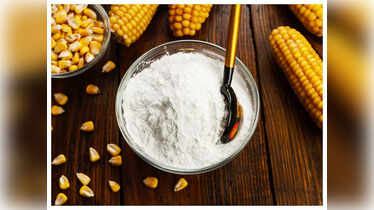
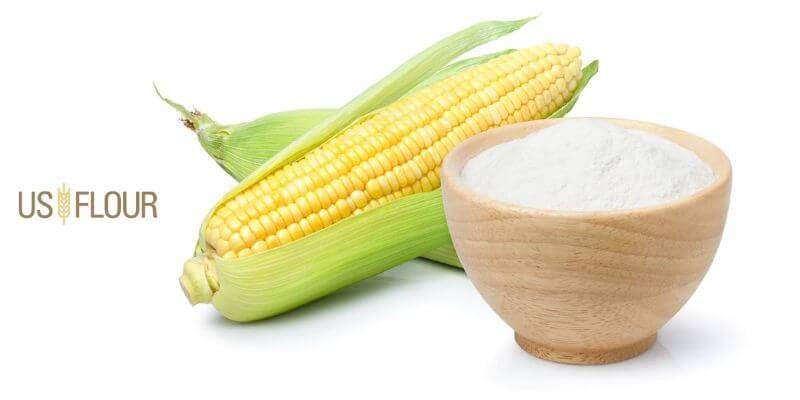
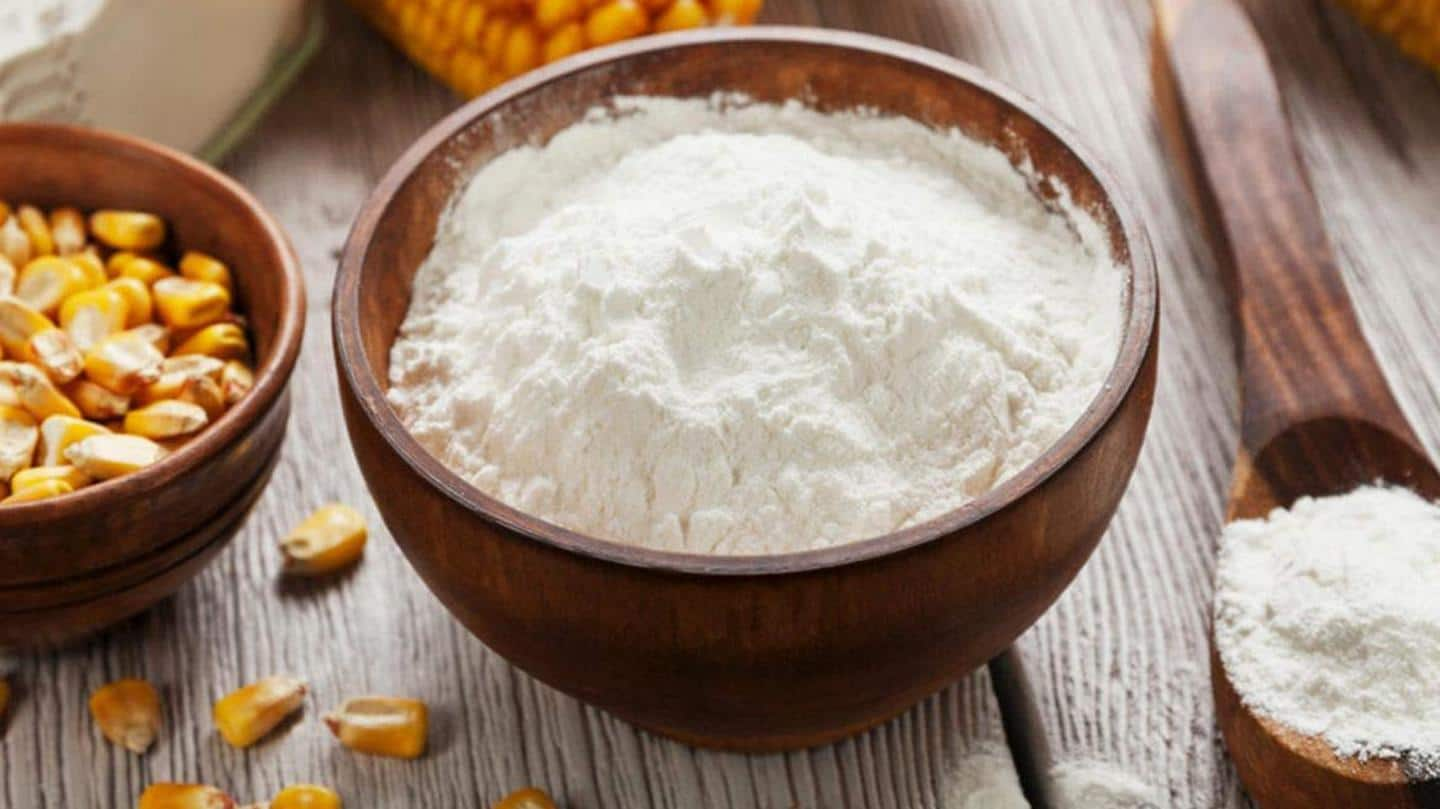
Corn flour and cornstarch are not the same in the US. Corn flour is a very fine whole-grain corn meal. Cornstarch is pure starch and used to thicken sauces. A healthy alternative to corn flour will depend on how you use it. I explain both uses below.

The best healthy alternative to corn flour
Below are options I use often. Each one includes nutrition notes, best uses, and a simple ratio. Choose based on flavor, texture, and diet goals. A healthy alternative to corn flour can improve both taste and nutrition.
Almond flour
- Why it’s healthy: High in healthy fats, vitamin E, and protein. Low in carbs with a low glycemic impact.
- Best uses: Pancakes, quick breads, cookies, and breading.
- Ratio: Use 1 cup almond flour for 1 cup corn flour. Add 1 egg or 1-2 tablespoons extra binder if the batter is too loose.
Chickpea (garbanzo) flour
- Why it’s healthy: Rich in protein and fiber. Studies link legume flours to better satiety and lower glycemic response.
- Best uses: Flatbreads, fritters, batters, and savory sauces.
- Ratio: Use 1:1 for batter or coating. For sauces, start with 2 teaspoons per cup of liquid and whisk well.
Oat flour
- Why it’s healthy: Contains beta-glucan fiber linked to heart health. Gentle, nutty flavor.
- Best uses: Muffins, pancakes, and quick breads; light coatings.
- Ratio: Use 1:1 by volume. Add a bit more liquid because oat flour absorbs moisture.
Buckwheat flour
- Why it’s healthy: Gluten-free, high in fiber, contains rutin and minerals. Deep, hearty flavor.
- Best uses: Crepes, pancakes, soba-style dishes, and rustic breads.
- Ratio: Use 1:1 in blends. Start with half buckwheat and half oat or almond to balance flavor.
Brown rice flour
- Why it’s healthy: Whole-grain and gluten-free with mild taste.
- Best uses: Breading, light cakes, and cookies; good in flour blends.
- Ratio: Use 1:1, but for baking blend with oat or almond for better texture.
Coconut flour
- Why it’s healthy: Very high in fiber and low in carbs. A small amount thickens fast.
- Best uses: Grain-free baking and thick batters.
- Ratio: Use 1/4 cup coconut flour for 1 cup corn flour. Add 1 egg and more liquid to prevent dryness.
Arrowroot powder
- Why it’s healthy: Easy to digest and gluten-free. Neutral taste and clear finish.
- Best uses: Sauces, gravies, and fruit fillings; great for glossy sauces.
- Ratio: If the recipe meant cornstarch, use arrowroot 1:1. If it meant corn flour for thickening, start with 1-2 teaspoons per cup of liquid.
Potato starch
- Why it’s healthy: Gluten-free and very effective thickener. Works well at lower temperatures.
- Best uses: Soups, sauces, and baking for tenderness.
- Ratio: 1:1 for cornstarch. For corn flour thickening, start with 1-2 teaspoons per cup of liquid.
Psyllium husk (binder)
- Why it’s healthy: Very high in soluble fiber that supports gut health.
- Best uses: As a binder with almond, oat, or buckwheat flours.
- Ratio: 1-2 teaspoons per cup of flour blend to add structure.
Ground flaxseed (binder)
- Why it’s healthy: Fiber, omega-3 fats, and lignans that support heart health.
- Best uses: Egg replacement and moisture retention.
- Ratio: 1 tablespoon flax + 3 tablespoons water equals one egg. Add to blends to boost fiber.
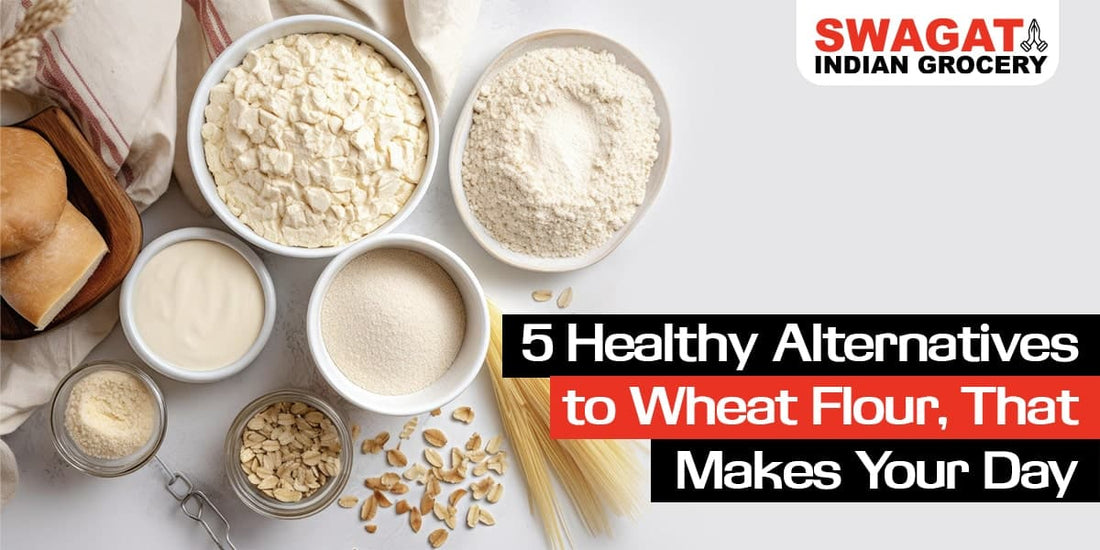
A healthy alternative to corn flour can be one flour or a blend. For best results in baking, mix two or three options.
Source: swagatgrocery.com
How to choose the right healthy alternative to corn flour?
Match the swap to the job. A healthy alternative to corn flour for baking is not always the same as one for sauces.
Use this quick guide:
- For thickening clear sauces: Arrowroot or potato starch.
- For breading with crunch: Brown rice flour or chickpea flour.
- For light, tender baking: Oat flour with a little almond flour.
- For grain-free, low-carb baking: Almond flour with a touch of coconut flour.
- For rustic flavor: Buckwheat flour, balanced with oat flour.
Ask three questions:
- What texture do I need? Crisp, tender, or chewy?
- What diet needs matter? Gluten-free, low-carb, high fiber?
- What flavor works? Neutral or nutty?

Substitution ratios and techniques
Getting ratios right prevents gummy sauces and dry cakes. Use these tips when choosing a healthy alternative to corn flour.
For sauces and gravies:
- If the recipe meant cornstarch: Use arrowroot 1:1 or potato starch 1:1.
- If it truly meant corn flour: Start with 1 tablespoon oat or chickpea flour per cup of liquid. Whisk and simmer until thick.
- Avoid boiling arrowroot for long. It can thin if overheated.
For breading and frying:
- Use brown rice flour or chickpea flour 1:1 for corn flour.
- Add spices and a pinch of baking powder for a lighter crust.
- Rest coated food for 5-10 minutes before frying to help adherence.
For baking:
- Almond flour: 1:1 for corn flour, plus an extra egg or 1 teaspoon psyllium per cup.
- Oat flour: 1:1 by volume. Add 1-3 tablespoons extra liquid per cup.
- Buckwheat: Replace up to half the flour at first to learn the flavor.
- Coconut flour: Use 1/4 the volume and increase eggs and liquid.
Diet-specific benefits of a healthy alternative to corn flour
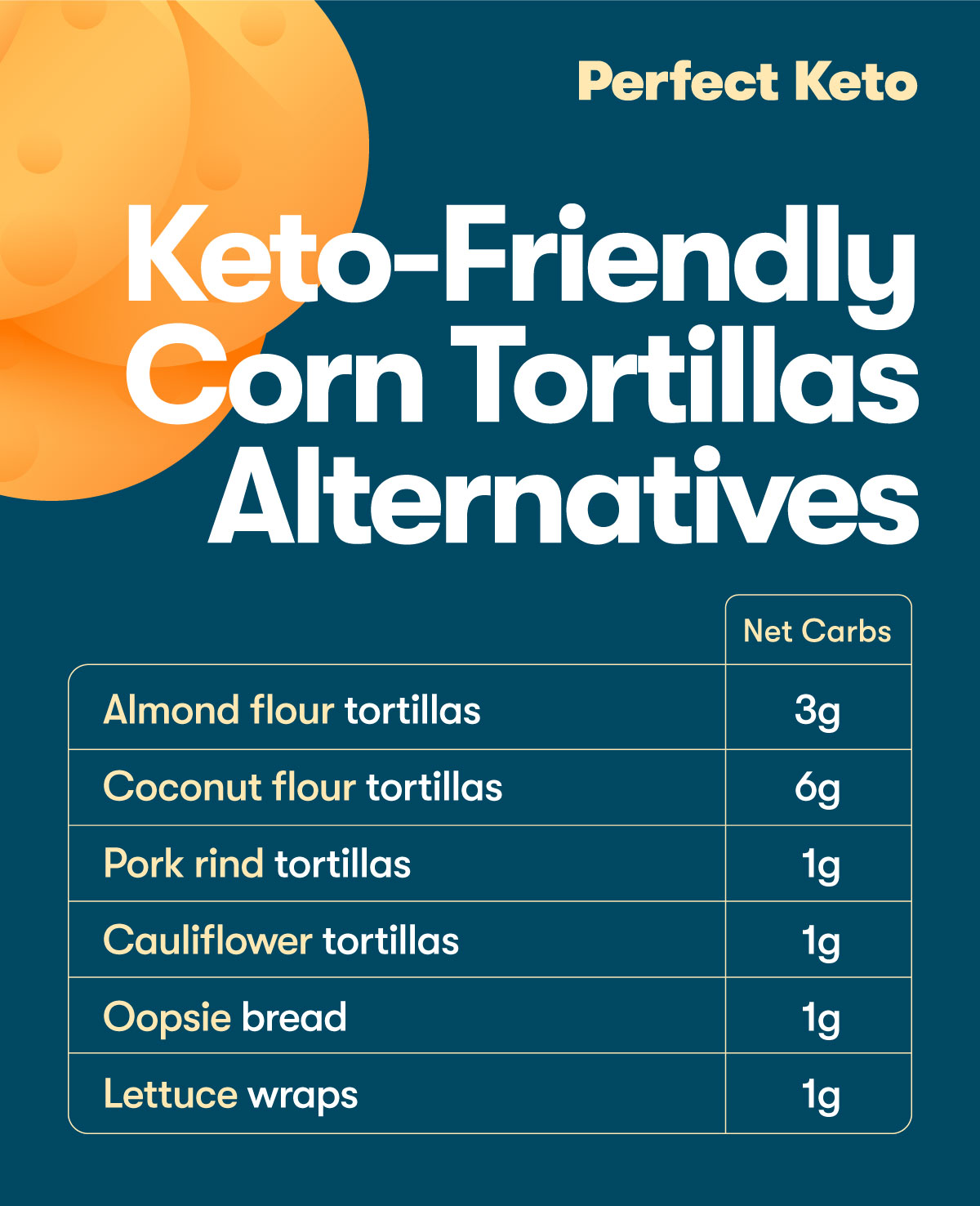
You can use a healthy alternative to corn flour to meet key health goals.
Gluten-free needs:
- Almond, oat (certified GF), buckwheat, brown rice, arrowroot, potato starch, and chickpea are gluten-free.
- Blend two or three for a better crumb.
Blood sugar support:
- Almond, chickpea, and oat flours tend to have a lower glycemic impact than corn flour.
- Fiber and protein slow digestion. Research links beta-glucan from oats and protein from legumes to steadier glucose.
Higher fiber and protein:
- Chickpea flour brings both fiber and protein.
- Oat flour adds beta-glucan fiber.
- Ground flaxseed and psyllium husk boost fiber and moisture.
Allergen awareness:
- Tree nut allergies rule out almond flour.
- Legume allergies may affect chickpea flour.
- Always check labels for cross-contact if needed.
Source: usflour.com
Cooking and baking tips from my kitchen
I test swaps side by side to dial in texture and taste. Here is what works when choosing a healthy alternative to corn flour.
- For pancakes, I like 70% oat flour, 30% almond flour. It stays tender and moist.
- For crispy fish, brown rice flour with a little cornstarch or arrowroot gives snap and light color.
- For a glossy fruit sauce, arrowroot thickens fast and looks clear.
- For grain-free muffins, almond flour with 1 tablespoon coconut flour per cup creates body without dryness.
- When in doubt, blend. A two-flour mix is more forgiving.
Storage and shelf life
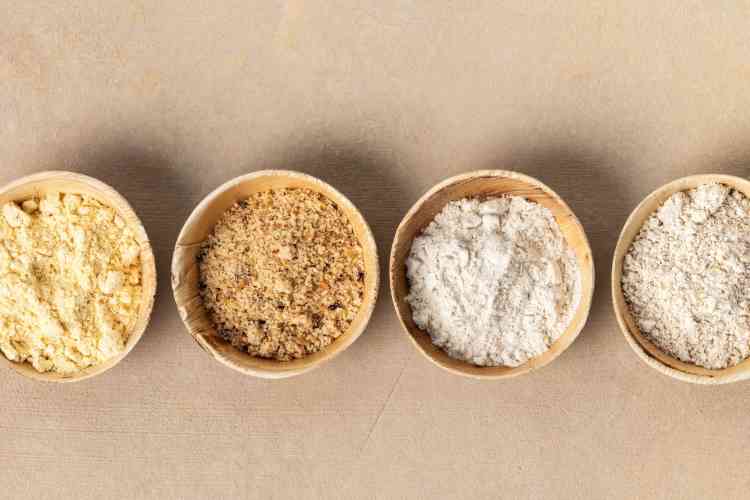
A healthy alternative to corn flour can go rancid if it has more fat. Store well to protect flavor.
- Keep almond, chickpea, and flax in airtight containers in the fridge or freezer.
- Store oat, buckwheat, and brown rice flour in a cool, dark pantry up to 3 months.
- Arrowroot and potato starch keep well, but avoid humidity.
- Label dates and use clear jars so you can see quality at a glance.
Common mistakes and easy fixes
Even a healthy alternative to corn flour can fail if you rush. Avoid these errors.
- Using coconut flour 1:1: It over-absorbs. Use one quarter the amount and add liquid.
- Overheating arrowroot: It can thin. Add at the end and do not boil hard.
- Skipping binders with almond flour: Add eggs, flax, or psyllium for structure.
- Not hydrating batters: Let oat or chickpea batters rest 10 minutes to hydrate flour.
- Expecting the same flavor: Taste and adjust salt, sweet, or spices to match the new flour.
Frequently Asked Questions of healthy alternative to corn flour
Is corn flour the same as cornstarch?
In the US, no. Corn flour is a fine whole-grain corn meal, while cornstarch is pure starch used to thicken sauces. Many global recipes use the word cornflour to mean cornstarch.
What is the healthiest alternative to corn flour for baking?
For most people, almond flour or a blend of oat and almond flours works well. They add fiber, protein, and a tender crumb.
What can I use instead of corn flour to thicken sauces?
Use arrowroot or potato starch 1:1 if the recipe meant cornstarch. For a flour-style roux, try chickpea or oat flour and whisk well.
Is chickpea flour better than corn flour?
It can be. Chickpea flour is higher in protein and fiber and often has a lower glycemic impact. It also adds a savory note that works in many dishes.
Will oat flour change the taste a lot?
Only a little. Oat flour is mild and slightly sweet, so it fits pancakes, muffins, and breading. Adjust liquid, as oat flour absorbs more.
Can I make a DIY healthy alternative to corn flour at home?
Yes. Blend 70% oat flour with 30% almond flour for baking. For thickening, keep arrowroot on hand.
Are these alternatives safe for gluten-free diets?
Most are, including almond, oat (certified GF), buckwheat, brown rice, arrowroot, and potato starch. Always check labels for cross-contact.
Conclusion
Choosing a healthy alternative to corn flour is simple when you match your goal to the right flour. Use arrowroot for shiny sauces, chickpea for protein, oat for fiber, and almond for tender crumbs. Small tweaks in ratio, liquid, and binders make a big difference.
Try one swap this week in a favorite recipe. Note the texture, taste, and how you feel after eating it. Want more guides like this? Subscribe, share your results, or ask a question in the comments.